A massive $900 million void has opened in the electric vehicle supply chain following the news that battery recycler Ascend Elements files for bankruptcy. The announcement, delivered via a late-night update from CEO Linh Austin, signals profound instability within the domestic battery materials sector. Investors who poured nearly a billion dollars into the company now face staggering losses as management grapples with what they describe as "insurmountable" financial challenges.
The Financial Collapse of Ascend Elements
The downfall of the company did not occur in a vacuum, but rather at the intersection of shifting political landscapes and stalled infrastructure. While the firm had successfully secured $204 million of a promised $316 million federal grant for its Kentucky operations, the subsequent cancellation of the remaining funds by the Trump administration created an unbridgeable capital shortfall. This loss of government support left the company vulnerable just as expansion costs were escalating.
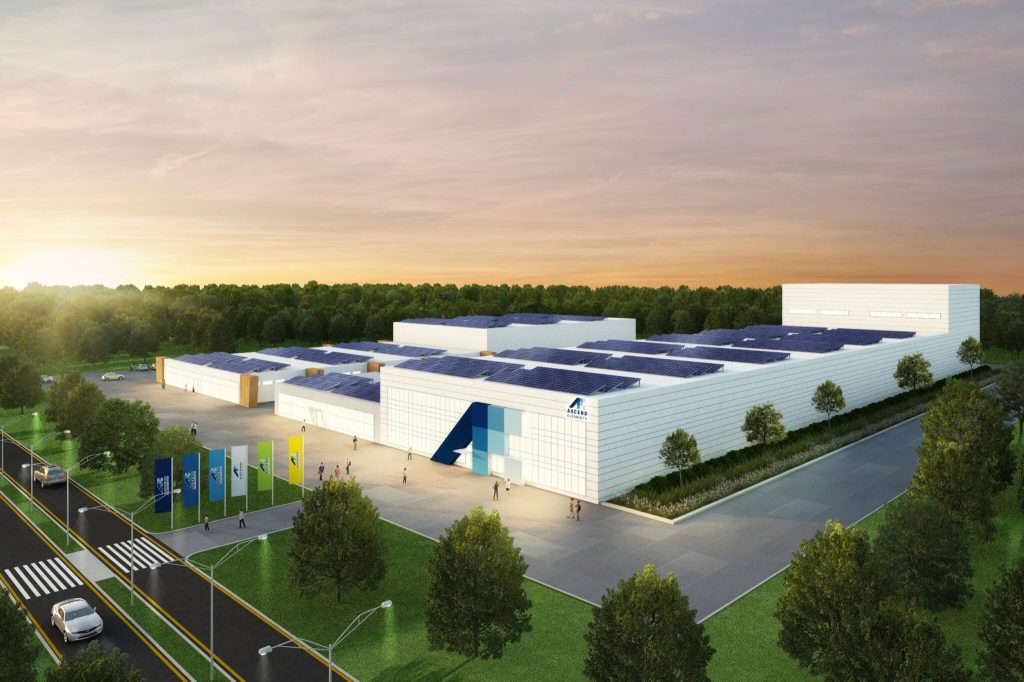
Construction of the company's flagship 1 million-square-foot facility in Kentucky has been plagued by more than just funding gaps. Local reports indicate that the project has been beset by a series of lawsuits and significant logistical delays, further draining remaining liquidity. For a startup reliant on high-volume throughput to achieve profitability, these interruptions to the manufacturing timeline proved fatal.
Key Drivers Behind the Bankruptcy Filing
The insolvency of the firm can be traced to several converging economic and political pressures. The primary drivers behind why battery recycler Ascend Elements files for bankruptcy include:
- The cancellation of critical federal grant funding for Kentucky operations.
- A cooling market for electric vehicles (EVs) in the United States following the expiration of tax credits.
- Escalating legal and construction costs at major manufacturing sites.
- Intense price competition from state-supported Chinese manufacturers.
A Volatile Landscape for EV Demand
The broader American automotive market is currently experiencing a period of significant volatility. Following a surge in sales driven by federal tax incentives that ended last September, the momentum for electric vehicles has begun to wane. This downturn has forced major industry players to reassess their long-term commitments to electrification.
For instance, Volkswagen recently announced it would cease production of the ID.4 at its Tennessee plant, opting instead to prioritize gas-powered models like the Atlas. This contraction in demand creates a dangerous feedback loop for battery recyclers and material suppliers. Without a steady stream of new vehicle production, the "end-of-life" feedstock required for recycling becomes much harder to predict and secure.
Strategic Divergence in the Recycling Sector
The collapse highlights a growing divide in how battery startups approach market volatility. While Ascend focused heavily on the direct extraction of critical minerals from scrap to create cathode precursors, competitors have begun looking toward more immediate revenue streams.
Redwood Materials provides a compelling case study in strategic pivoting. Rather than waiting solely for the influx of end-of-life EV batteries, Redwood has successfully moved into the stationary storage market. By repurposing older battery packs into larger, grid-scale units capable of powering data centers, they have unlocked near-term revenue that is less dependent on the fluctuating pace of the passenger vehicle market.
The Verdict on Domestic Battery Sovereignty
The news that battery recycler Ascend Elements files for bankruptcy serves as a sobering reminder that technological innovation cannot survive without sustained capital and political stability. The loss of nearly $900 million in investment represents more than just a corporate failure; it is a setback for the goal of establishing a self-sufficient, domestic battery supply chain.
As the industry recalibrates, the focus must shift from mere extraction capability to building resilient business models that can withstand both market downturns and shifts in federal policy. The future of the green transition depends on whether the next generation of innovators can learn from this collapse.