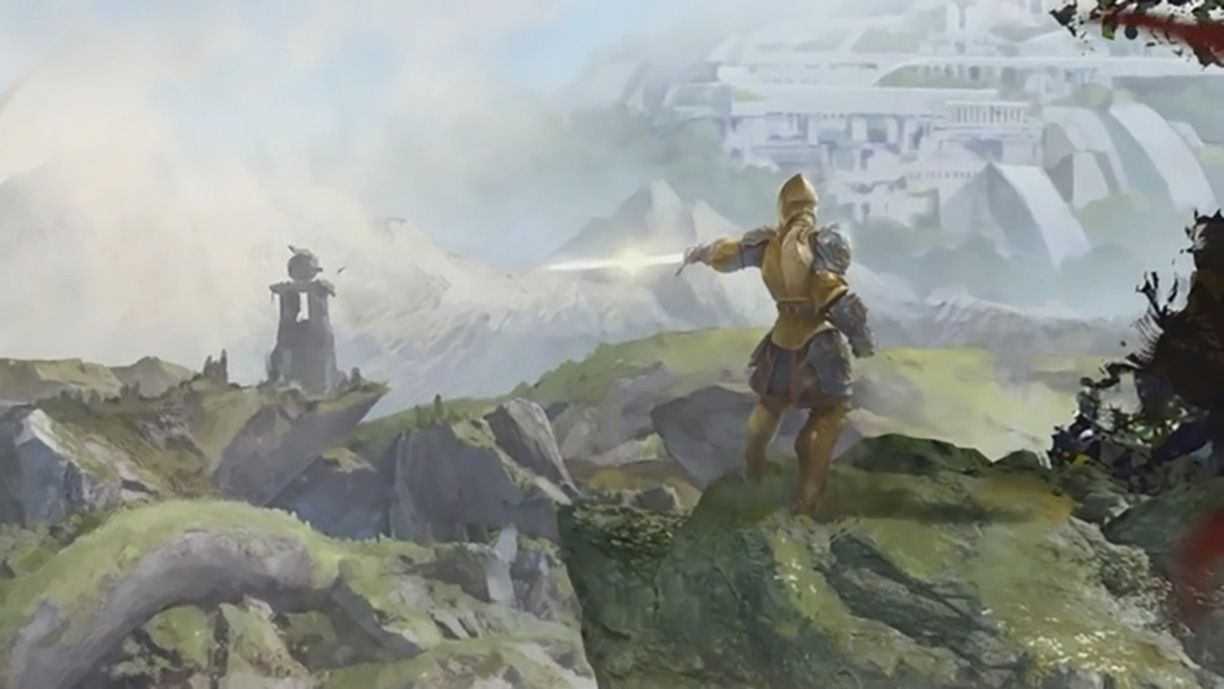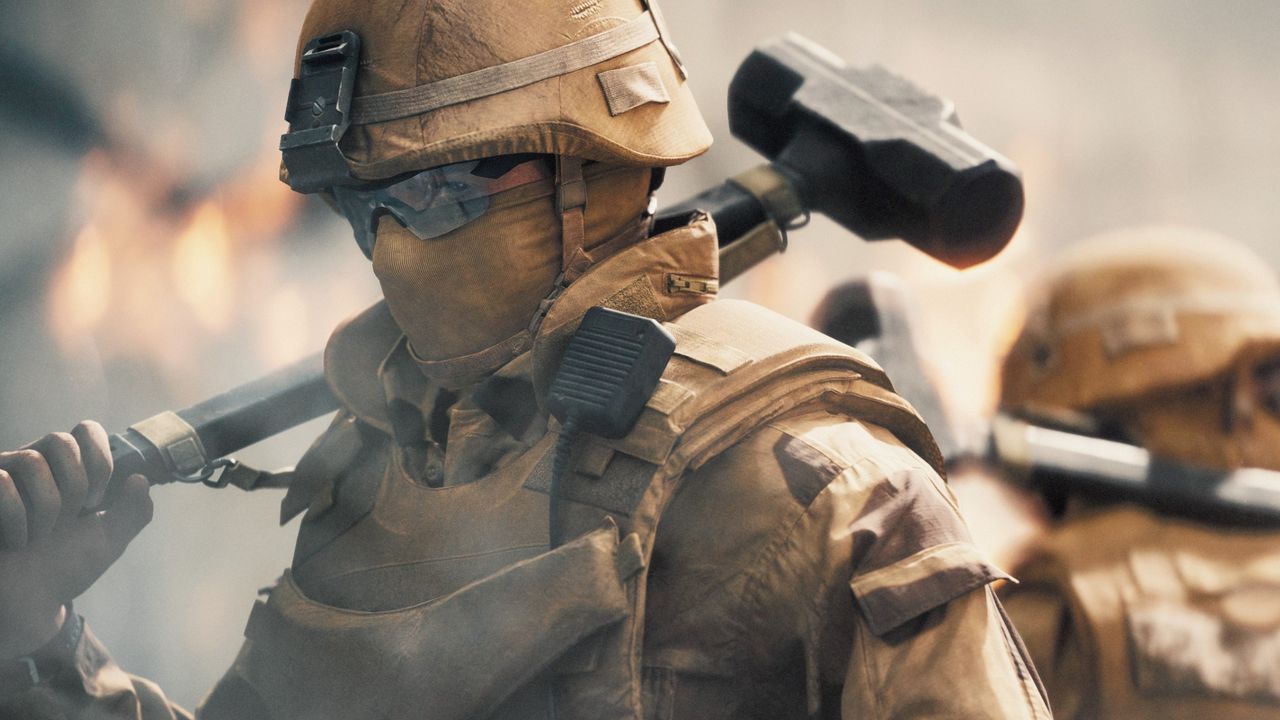
EA recently announced an eight-month roadmap for Battlefield 6, promising seven new maps, including a remake of the fan-favorite Wake Island that reintroduces asymmetrical beach invasions and functional aircraft carriers. The return of naval warfare fills a massive void left by the current pool of repetitive, landlocked locales. On paper, this is exactly the kind of content that makes me want to dive back into the franchise.
However, looking at the trajectory of these live service updates reveals a fundamental flaw in how EA manages its content delivery. Instead of grand, impactful expansions, we are seeing Battlefield 6 seasons broken down into tiny, digestible fragments that lack any real sense of momentum.
The Problem with Drip-Feeding Content
The current structure of the game has split its seasons into three-month "mini seasons." Each one typically offers a single new gun, an event, and occasionally a map. This strategy seems designed to create the illusion of constant activity, but in reality, it demonstrates that individual updates aren't substantial enough to warrant a player's time.
The issue with this approach becomes clear when you look at the actual rollout:
- Players read about massive new features, modes, and maps.
- The "season" begins, but only a fraction of the promised content is actually playable.
- Significant portions of the update are locked behind tedious Battle Pass grinding.
- Players wait for the season to become "feature-complete," only to forget the game exists until the next roadmap drops.
Season 4 is a perfect example of this disconnect. While it hypes the return of naval warfare, the launch will likely consist of just a single map. When the rest of that promised content arrives remains a mystery shrouded in EA's vague scheduling.
Why Battlefield 6 Seasons Fail to Drive Engagement
At its best, a seasonal update should feel like a major event—a milestone that signals lapsed players to return to the fray. In the modern era, we expect "seasons" to function as free expansions or map packs. Instead, the current Battlefield 6 seasons feel more like minor patches.
EA appears to be operating under the assumption that their player base is composed of "forever gamers"—addicted users who will respond to every small morsel of content dropped every four weeks. But many players treat shooters as a rotation of "sometimes" games. We jump in for bursts of joyous chaos and static class combat, then put the game back on the shelf once the novelty wears off.
If EA wants to fix this, they need to stop treating content like a trickle and start treating it like an event. Simply releasing everything promised at the start of a season would go a long way toward making these milestones actually mean something. Until then, players aren't caged hamsters waiting for a refill; we are free to wander off to the dozen other shooters currently competing for our attention.