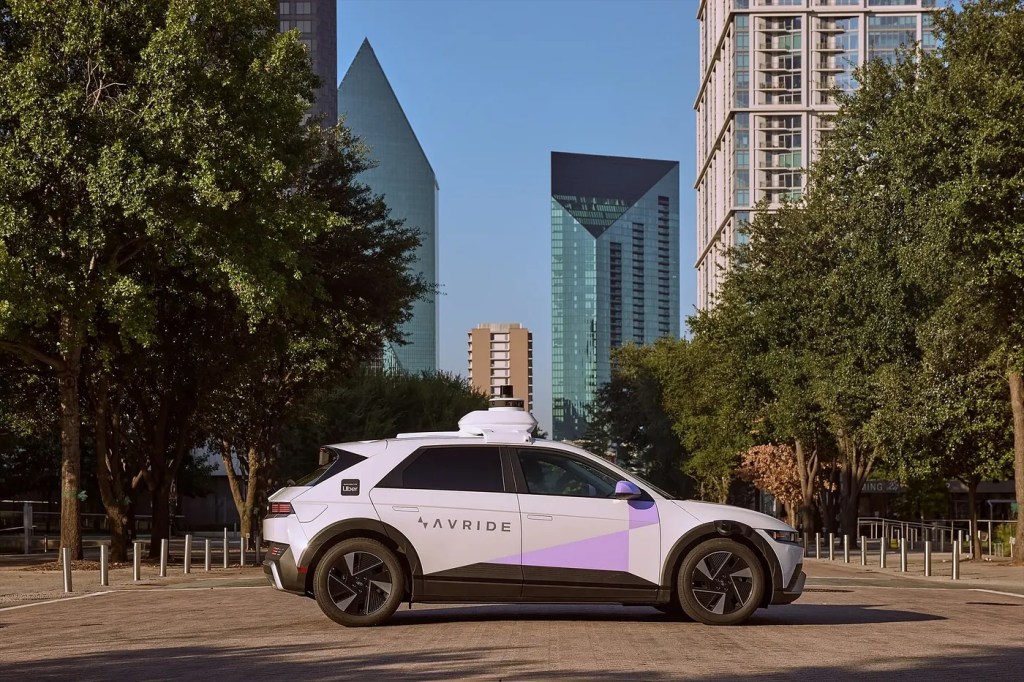
The paradox of autonomous mobility becomes stark when safety monitors fail to prevent collisions. While the promise of self-driving technology centers on reducing human error, investigations into Avride’s recent incidents reveal systemic gaps in system competence and oversight.
The Core Of The Investigation
The National Highway Traffic Safety Administration (NHTSA) has launched a formal probe into Avride, the robotaxi partner of Uber, after identifying 16 crashes involving its vehicles. All crashes occurred while a safety monitor was present, yet interventions were not recorded. The investigation centers on competence issues with Avride’s self-driving system, including lane changes into moving traffic, failure to slow for stopped vehicles, and collisions with stationary objects like parked trucks.
Key Findings From Early Data
- Lane Management Failures: Multiple crashes involved unsafe lane changes into adjacent traffic or paths.
- Response Delays: Systems struggled to adapt when other vehicles altered course suddenly.
- Environmental Challenges: Stationary objects partially blocking lanes triggered collisions despite sensor inputs.
Responses And Accountability Gaps
Avride, a subsidiary of Nebius previously known as Yandex NV, responded by citing compliance with prior reporting mandates and highlighting post-incident mitigations. The company reported crashes to NHTSA under a 2021 automated driving order, though critics question whether oversight kept pace with deployment. Uber, which partnered with Avride in 2024 for Dallas and Austin operations, has yet to publicly address the investigation’s scope or its implications for shared mobility goals.
Industry Implications
The probe underscores rising regulatory scrutiny across autonomous vehicle firms. Waymo faces parallel investigations for alleged misconduct around school buses and a child injury incident, signaling broader challenges in scaling safety protocols. The timing coincides with expanded testing and public rollouts, intensifying pressure on companies to prove reliability amid growing skepticism.
Technical And Operational Shortcomings
- Sensor Limitations: Inability to detect partially obstructed lanes may stem from imperfect object recognition.
- Real-Time Adaptation: Delayed responses to slow-moving vehicles contradict expectations of proactive self-driving systems.
- Human Oversight Gaps: Safety monitors failed to intervene, raising questions about training protocols or system design prioritization.
The incident’s lone minor injury involved a collision with a parked truck door, highlighting how even low-severity outcomes can trigger legal and public relations complexities. As autonomous technology evolves, balancing innovation speed with rigorous safety validation remains pivotal—especially when human lives hang in the balance.
Path Forward For The Industry
- Enhanced Testing Frameworks: Simulate edge cases like stationary obstacles more aggressively before field deployment.
- Transparent Reporting: Standardize data sharing between regulators and companies to identify patterns faster.
- Revamped Oversight: Align regulatory timelines with technological advancement cycles to avoid lagging behind emerging risks.
This investigation serves as a critical reminder that technological ambition must coexist with unwavering safety commitments. The road ahead demands not just smarter algorithms, but institutional structures capable of holding all stakeholders accountable.