2 Best Bluetooth Trackers of 2026, Plus Honorable Mentions
How do you balance the need to locate lost items with the risk of being located by someone else? In 2026, Bluetooth trackers have evolved beyond simple locators, offering features like ultra-wideband (UWB) precision, extended battery life, and multi-platform compatibility. These devices are no longer just for keys or wallets—they’re now used to track pets, luggage, and even high-value items. As the technology continues to mature, the market has seen a few standouts rise above the rest, each offering a unique blend of performance, design, and security. Below are the top two Bluetooth trackers of 2026, along with some notable alternatives that deserve a closer look.
Chipolo Pop: The Versatile Powerhouse
The Chipolo Pop remains a strong contender in the Bluetooth tracker category, particularly for users who need flexibility and reliability. At $39, it's competitively priced and offers a range of features that make it a go-to for everyday use. The Pop is small, discreet, and easy to attach to keys, bags, or wallets. It connects seamlessly to both iOS and Android devices via the Chipolo app, offering real-time location tracking and alerts when the device moves out of range.
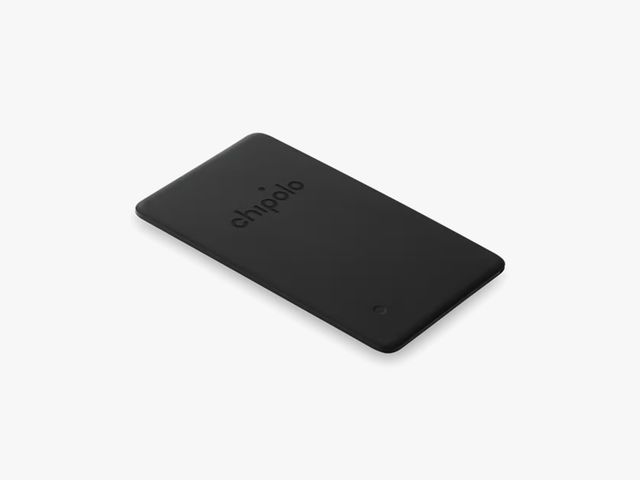
Its standout feature is the ability to use Apple’s U1 chip for precise location finding, allowing users to pinpoint the tracker with remarkable accuracy. The Pop also boasts a long battery life, with replaceable CR2032 batteries that can last up to a year. For those who prefer a more compact and lightweight option, the Chipolo Card and Loop variants offer similar functionality in smaller form factors, ideal for hiding in a wallet or attaching to a lanyard.
- Compact and discreet design
- Compatible with both iOS and Android
- Supports Apple U1 chip for precise tracking
- Long battery life with easy replacement
- Multiple form factors for different use cases
Apple AirTag: Precision and Ecosystem Integration
Apple’s AirTag continues to dominate the Bluetooth tracker market, thanks to its deep integration with the Apple ecosystem and the Find My network. Priced at $29, the AirTag is a small, circular device that can be attached to nearly anything. It leverages Apple’s U1 chip and ultra-wideband technology to provide precise location tracking, allowing users to locate lost items with pinpoint accuracy through the Find My app. The second-generation AirTag is 50% louder and has a significantly extended range compared to its predecessor, making it easier to find even if the tracker is out of sight.
The real strength of the AirTag lies in its use of Apple’s encrypted, crowdsourced Find My network. This means that even when the tracker is out of Bluetooth range, it can still be located using nearby Apple devices. However, this same feature has raised privacy concerns, as the same network could theoretically be used to track individuals. Android users are left out, as the AirTag only works with iOS devices.
- Small, circular form factor
- Uses Apple U1 chip for precise location
- Encrypted Find My network for extended range
- Loud alert for easy detection
- Works seamlessly with Apple devices
Honorable Mentions: Diversified Options for Specific Needs
While the Chipolo Pop and Apple AirTag are the clear leaders, several other trackers offer unique features that cater to niche use cases:
- Pebblebee Clip 5: A larger but lightweight option with a built-in key ring and rechargeable battery. It works with both iOS and Android and offers a louder alert than the AirTag.
- Life360 Tile Sticker: Tile’s latest model offers a 150-foot range, waterproof design, and a three-year battery life. Ideal for tracking remotes or small items.
- Fi Smart Collar Series 3+: Designed specifically for pets, this collar uses Bluetooth, GPS, Wi-Fi, and cellular connectivity for 24/7 tracking. It’s a premium option with a long battery life but requires a subscription.
- Groove Smart Wallet Trace: A high-end wallet with built-in Find My capabilities. It’s not Android-compatible but offers robust security and a long battery life.
As Bluetooth tracker technology advances, the focus is shifting from just locating lost items to ensuring these devices are secure and ethical. Manufacturers are increasingly integrating privacy features, such as end-to-end encryption and the ability to mask device identities. The future of Bluetooth trackers will likely see even more integration with smart home systems, AR navigation, and AI-assisted location prediction. While the AirTag and Chipolo Pop currently lead the pack, the landscape is evolving rapidly, and the next few years may bring even more innovative solutions to the market.