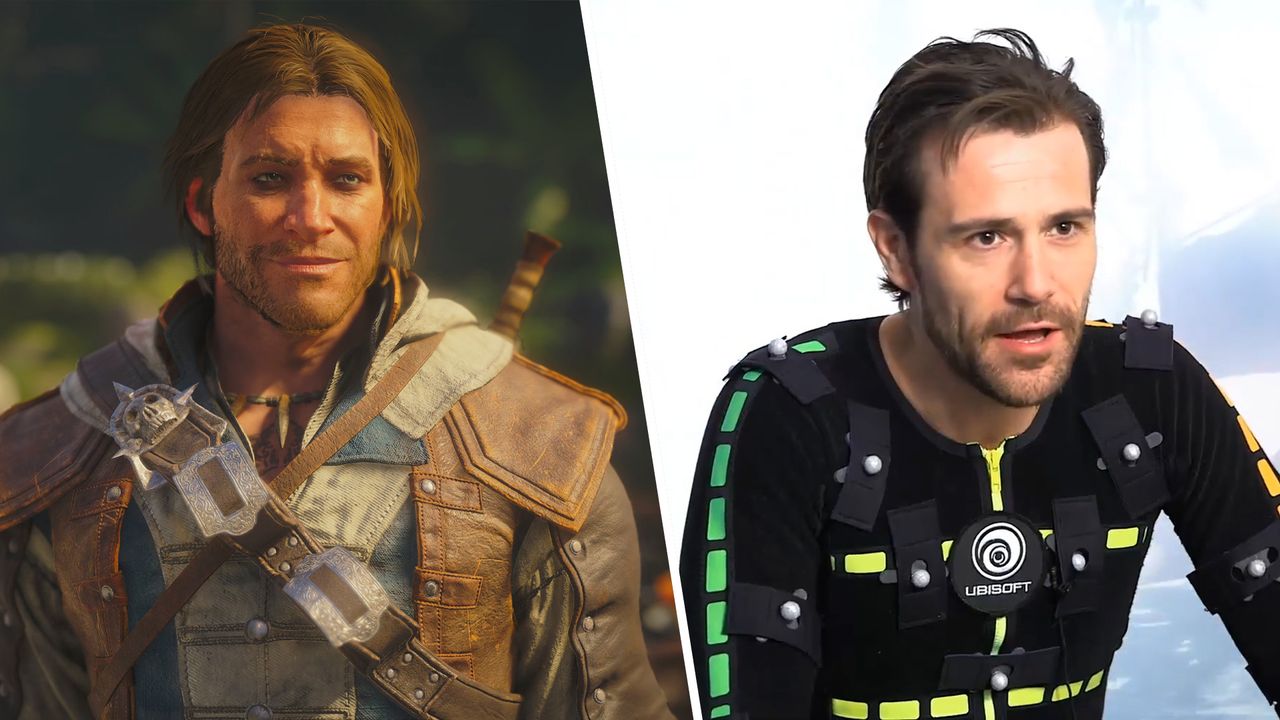
When Matt Ryan stepped into the role of swashbuckler Edward Kenway for 2013's Assassin's Creed: Black Flag, he didn't realize he was stepping into a revolution. At the time, fully motion-captured performances in gaming were still in their infancy. While techniques like rotoscoping or basic stunt capture had existed for decades, the era of all-encompassing performance—where voice, body movement, and minute facial expressions are captured simultaneously—is a relatively recent phenomenon.
Reflecting on his experience, Ryan admitted that he initially expected a standard vocal role. "When I got the job, I didn't know it was going to be mocap—I thought it would just be voice," Ryan told PC Gamer. However, he quickly embraced the shift, finding a new creative outlet that bridged the gap between his love for theater and television.
Why 'Voice Actor' is an Outdated Term
Ryan argues that the industry's language has failed to keep pace with technological evolution. He believes the term voice actor no longer accurately describes the depth of modern digital performances.
"I think in terms of the vernacular that the media uses these days, they haven't quite caught up," Ryan explained. "They still say 'the voice actor,' and no, there's a whole medium out there."
The nuance provided by modern motion capture technology allows for a level of emotional resonance that transcends simple audio:
- Full-body movement captures the character's physical presence.
- Facial capture translates subtle micro-expressions.
- Visual fidelity preserves the actor's soul through the digital skin.
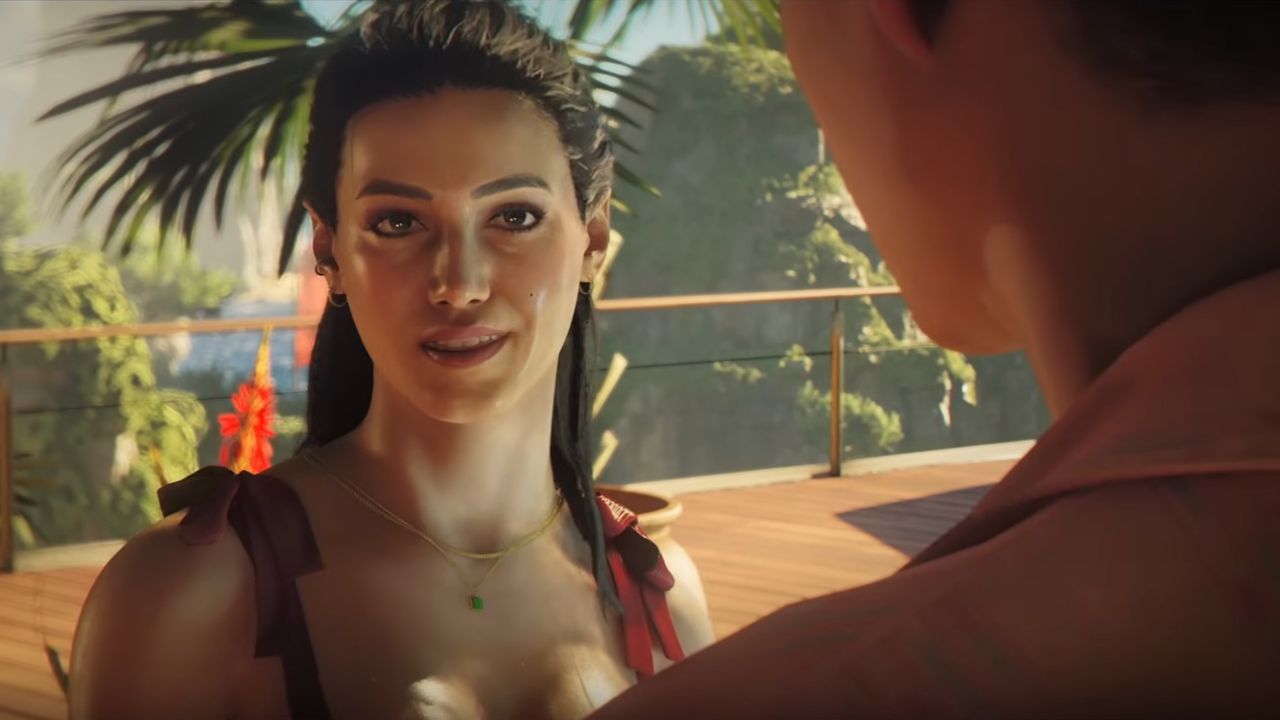
"The games that I play, you see the performances, and it's good, man," Ryan said, specifically praising Troy Baker’s performance as Indiana Jones. "Just how the performance can come through even after they've painted over you with the [game character's] skin. The eyes, the details in the eyes, it blows me away."
The Rise of the Actor-Driven Game
As technology improves, the line between a digital avatar and a live performance continues to blur. This increased fidelity has led to a new era where gaming stars are recognized as legitimate dramatic talents. Performers like Ben Starr (Final Fantasy 16), Neil Newbon (Baldur's Gate 3), and Maggie Robertson (Resident Evil Village) have gained massive recognition for their work.
Ryan notes that the medium is becoming increasingly focused on narrative and character depth, which in turn attracts more dedicated talent. "I think because [games] are becoming more actor-driven and story-driven, the actor is bringing a lot more of himself to the game," he said.
Even the physical demands of the job are evolving. Ryan mentioned that while his 2013 helmet felt like "having your head in a vice," newer equipment used for projects like Black Flag Resynced is significantly more comfortable. This technological ease allows actors to focus entirely on the character, creating a lasting connection with an audience that spends more time with these characters than they would with any TV or theater production.
"We need to rejig the vernacular—something that really describes what the medium has become now," Ryan concluded.