The viral success of Unrecord fundamentally shifted the landscape of first-person shooters, sparking a trend that prioritizes hyper-realism above almost all else. This aesthetic shift has birthed an entire subgenre, but as recent releases demonstrate, visual spectacle doesn't always translate to engaging gameplay. The core issue with bodycam shooters is a growing tension between achieving "shock and awe" through realism and maintaining the fundamental fun of a video game.
Hyper-Realism vs. Playability
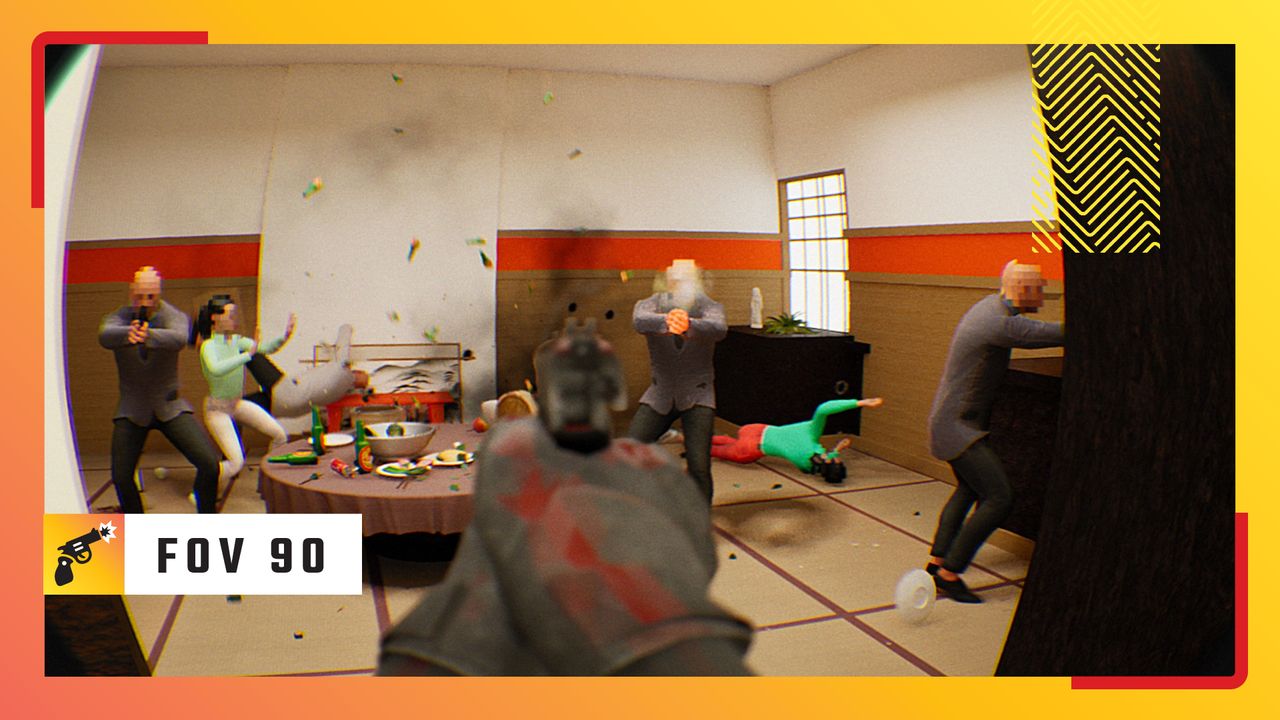
The latest entry into this niche, Better Than Dead, recently launched in Early Access on Steam. Breaking away from the standard trope of playing as a police officer, Better Than Dead places you in the role of a nameless victim escaping a human trafficking ring in Hong Kong. Your mission is a bloody revenge quest fueled by nothing more than a single pistol and a recording device.
While the game utilizes impressive technical tricks to maintain its aesthetic, these stylistic choices often hinder the player experience:
- Extreme visual noise: Blown-out lighting and heavy video grain mimic the look of GoPro footage.
- Aggressive camera movement: Intense head bob and exaggerated sway make precision aiming difficult.
- Hyperrealistic textures: Environmental details create a convincing, gritty sense of place.
- Unpredictable combat: Erratic enemy accuracy makes survival feel more like luck than skill.
The primary mechanical frustration lies in the protagonist's weapon handling. The character exhibits a wildly exaggerated sway that makes traditional aiming nearly impossible. While this is intended to show the protagonist is an untrained killer, it quickly becomes an annoyance as your body count rises and you evolve into a high-level combatant.
The Illusion of Skill in Bodycam Shooters
In many bodycam shooters, the goal is to simulate the terrifying unpredictability of actual gunfights. In Better Than Dead, this manifests as a game where you rarely feel like you have "mastered" a level; instead, you simply hope you aren't the one getting shot.
The inclusion of a "bullet time" ability during slides feels tonally inconsistent with the gritty realism the game strives for. It serves as a brief lifeline, but its inconsistency prevents it from being a reliable mechanic to counter the chaotic gunplay. This creates a disconnect between the desire for simulation and the necessity of player agency.
The Horror of Realism
There is a thematic weight to this subgenre that separates it from traditional military simulators like Arma or Squad. Because games like Unrecord and Bodycam look so disturbingly lifelike, they can trigger a sense of unease rather than pure entertainment.
For some players, the appeal lies in the fastidious emulation of real-world violence. However, for others, these titles feel less like a fantasy and more like a warning. When a game's entire identity is built on the premise that "this is exactly like real life," it forces a confrontation with the grim reality that actual gunfights are messy, unpredictable horror shows.
Ultimately, the problem with bodycam shooters may be that they succeed too well at their goal. If the visual fidelity becomes indistinguishable from real-world footage, the "fantasy" of the shooter begins to evaporate, leaving behind a simulation of violence that feels uncomfortably close to home.