China's YMTC Wafer Production Surge: A Boon for Budget Gaming SSDs?
In a significant move that could reshape the storage market, China's YMTC is reportedly aiming to more than double its wafer production by constructing two additional foundries. This aggressive expansion strategy, currently backed by industry sources, suggests a future where cheap gaming SSDs could return to the menu at affordable price points for consumers worldwide. While the company has not officially confirmed these details, the implications for the global semiconductor landscape are profound, potentially challenging current market leaders and alleviating supply constraints that have plagued the sector.
Strategic Expansion Amidst Geopolitical Tensions
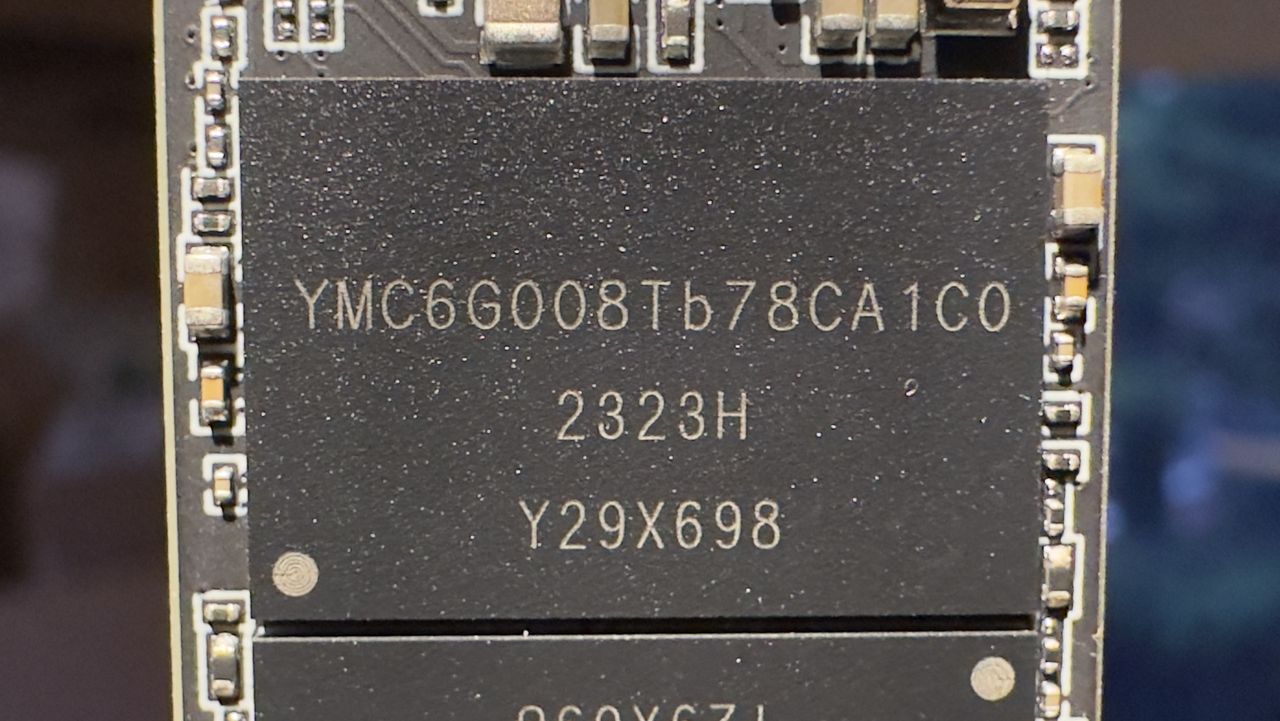
The firm in question is Yangtze Memory Technologies (YMTC), a major player whose flash memory chips power storage solutions from industry giants like Acer, Adata, Lexar, and Team Group. Notably, even the best budget gaming SSDs currently on the market, such as the Biwin Black Opal NV7400, rely heavily on YMTC technology alongside offerings from competitors like Micron.
Despite the magnitude of these plans, YMTC has not made a public announcement regarding the new foundries. The reports originate from Reuters, which cites unnamed sources "who were not authorised to speak to media and declined to be identified." This level of secrecy is standard for such sensitive industrial developments but adds a layer of speculation to the timeline and scope of the project.
While one might assume this expansion is a direct response to the booming AI industry—which has created a global shortage of chips and driven prices sky-high—the true motivation appears rooted in geopolitics. Reuters suggests the move is primarily about China distancing itself from reliance on US chip manufacturers, particularly following recent export restrictions on critical chip-making equipment.
Timeline for Impact on Consumer Storage Prices
For PC gamers hoping to see lower SSD prices, this news offers hope, but patience will be required before the market feels any relief. The timeline for these new facilities is lengthy:
- The currently under-construction foundry is not expected to begin operations until later this year.
- It will not reach full production potential until next year.
- The two additional plants will take several more years before reaching similar capacity levels.
However, the scale of the eventual output is staggering. According to Reuters sources, each of the new facilities aims to churn out 100,000 wafers annually. When combined with existing and upcoming production lines, YMTC's total output could more than double.
This surge in capacity will likely have ripple effects beyond just storage drives:
- Market Disruption: While unlikely to immediately unseat Samsung as the global top producer of flash memory, this growth could force competitors like SK hynix and Micron to reassess their market strategies.
- LPDDR Production: YMTC is reportedly considering dedicating a portion of its increased wafer output to manufacturing LPDRAM for phones, tablets, and laptops.
The Reality of DRAM Market Dominance
It is important to manage expectations regarding memory prices beyond just SSDs. Even if YMTC successfully enters the LPDDR market with cheaper chips, the DRAM sector remains utterly dominated by a tight trio: Samsung, SK hynix, and Micron. Consequently, consumers should not expect DDR5 memory kits to drop in price simply because YMTC increases its DRAM output.
Ultimately, while China's YMTC is setting the stage for a massive increase in wafer production, the benefits for budget-conscious gamers will unfold gradually. The path from announcement to affordable cheap gaming SSDs involves navigating complex construction timelines and global supply chain dynamics, but the potential reward remains a more accessible market for high-performance storage.