The Rise of the Data‑Driven Robot
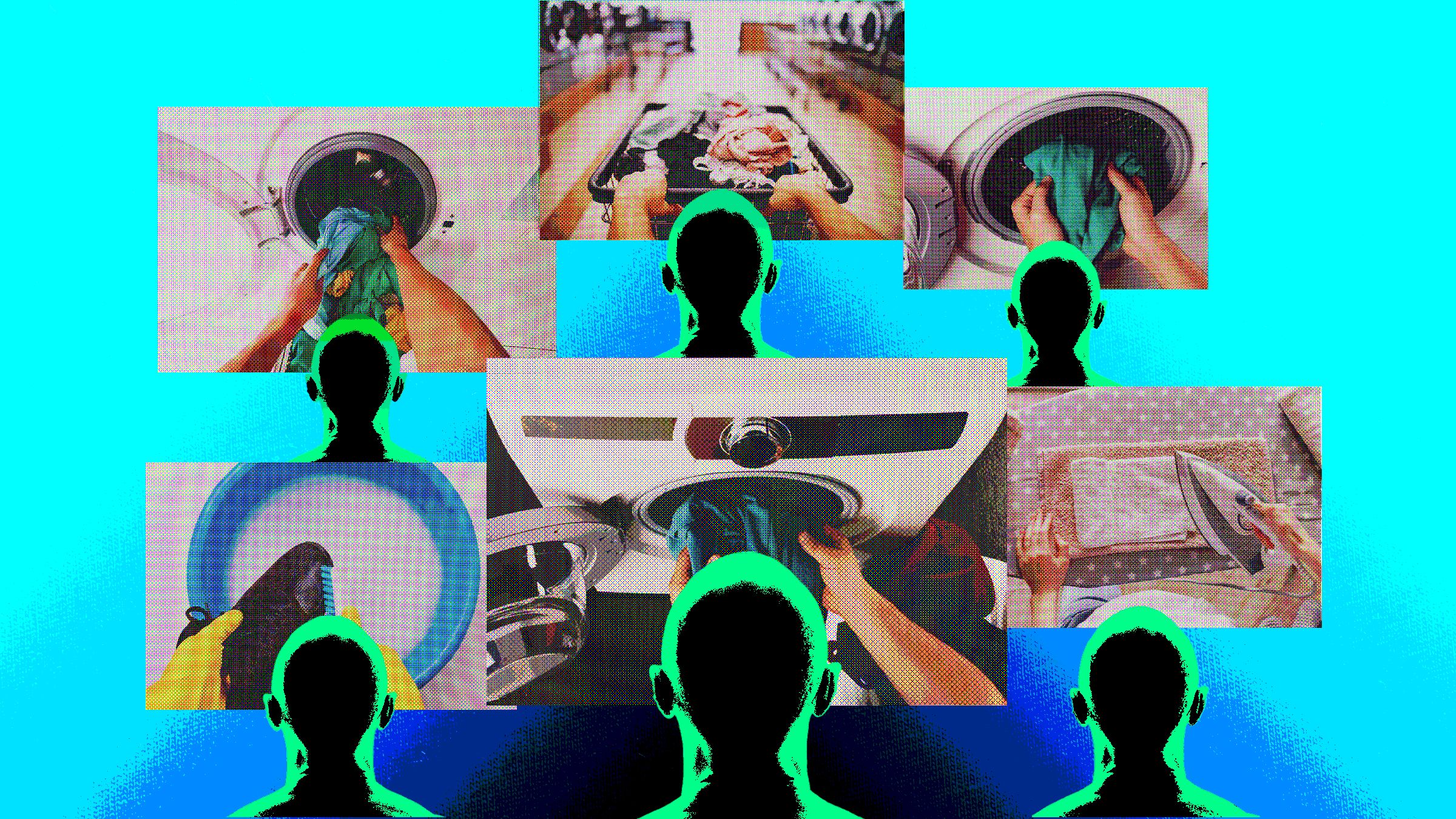
I spent a week recording chores for money. Each short clip became raw material for a robotic training. This experiment, captured on a head‑mounted camera, shows how personal labor can be monetized and distilled into data.
The paradox is not that chores are hard, but they could be turned into egocentric data at scale. Companies now sell the exact moment a hand tilts to pour water, promising robots will replace human effort. In practice, the data pipeline requires millions of such clips to fine‑tune vision models for real‑world object manipulation.
From Paychecks to Pixels
Platforms such as Kled, Luel, and Waffle Video aggregate these micro‑missions into robotic training datasets. Users earn pennies per minute while feeding the very models that could soon do the work. The market is driven by a shortage of labeled data; even a single high‑resolution frame can be worth thousands to specialized firms seeking to build bots that excel at mundane tasks.
Earnings: Waffle missions pay $25/hour; Kled “medium” tasks are around $6.60/hour.
- Capture continuous in‑app video showing bag removal, tying, liner replacement.
- Keep camera steady; avoid facial close‑ups.
- Upload 100 media pieces before payout.
- Minimum hand visibility: 95% of frames.
Despite the earnings, the cost of participation is a clean apartment and a sense that you are part of an early prototype for household AI. The data, once anonymized and packaged by Waffle’s MAPLE engine, become the building blocks of robotic training pipelines.
Filters like those imposed by Kled’s fraud detection system aim to remove duplicate uploads and privacy violations, which can erode trust. In Nigeria, the platform was shut down after 95% of submissions were flagged as useless or stolen. The ethical tension lies between monetizing personal labor and protecting individual agency. Companies must balance revenue with safeguards that prevent exploitation.
As AI Panic spreads, more workers will likely be drawn into this data economy. The future may not see robots taking over chores, but a new class of humans — paid to perform them for algorithms — who become the middlemen between labor and machine.