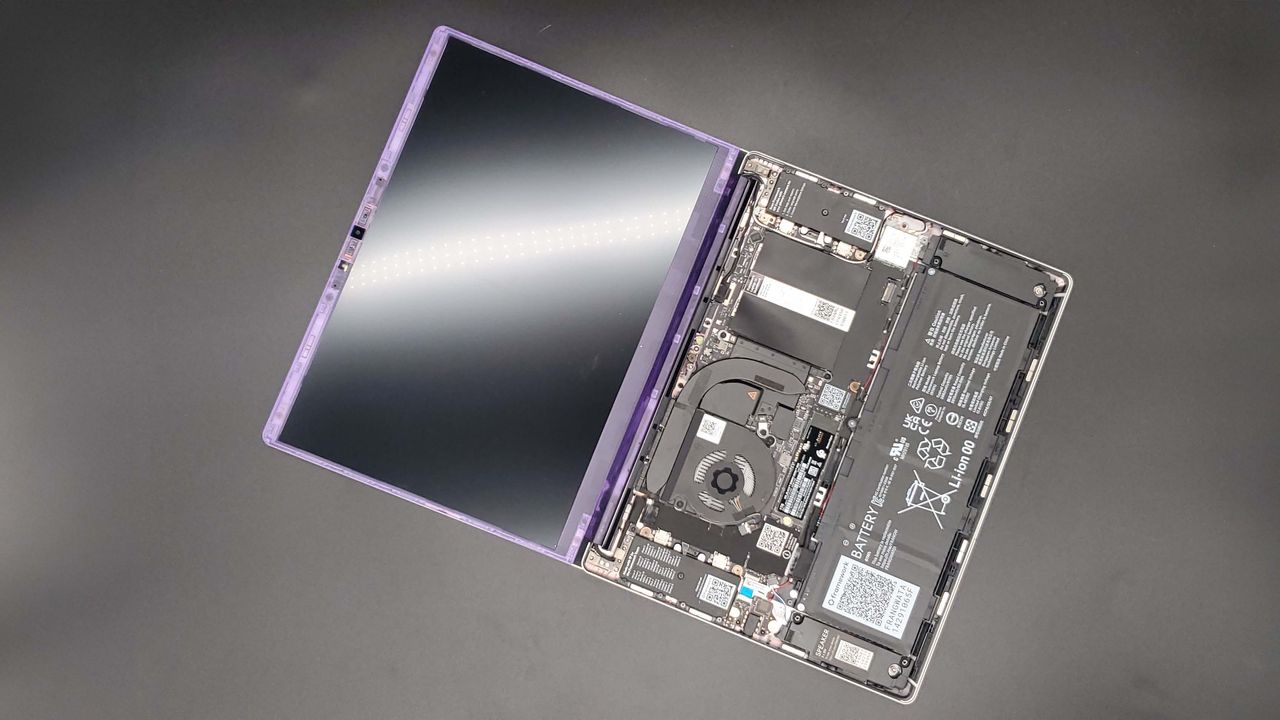
Framework Updates on the Memory and Storage Crisis
Modular laptop pioneer Framework has provided a mixed update regarding the current component shortage, highlighting a divergence between memory and storage markets. While the company reports that DDR5 memory costs have stabilized over recent months, the situation for storage components remains dire.
Framework notes that while they have largely managed to hold the line on RAM pricing, the storage sector is facing a different reality. The company explicitly states that while memory supply chains are finding some equilibrium, SSD pricing is "unfortunately not as positive," forcing them to adjust retail costs upward to match inflated supplier rates.
Memory Prices Stabilize, But Not at Old Levels
The good news for consumers is that the hyper-inflationary spike for DDR5 RAM appears to have peaked. Framework’s recent blog post on the memory crisis reveals that suppliers have kept costs relatively steady, allowing the company to avoid massive, sudden hikes.
"We’ve seen memory costs on DDR5 suppliers remain fairly stable over the last few months," Framework wrote. However, this stability does not mean prices have returned to pre-crisis lows. The company had to consume its remaining low-cost inventory of 8GB modules and has since adjusted pricing upwards to reflect the cost of newly sourced modules.
For other capacities, Framework has managed to hold prices steady compared to the previous month. This is a relief given the volatility seen earlier in the year. For context, a DDR5-5600 SO-DIMM kit that previously sold for $80 has seen its price jump to $320.
The broader market reflects this reality:
- 32 GB DDR5 kits are currently trading between $300 and $400, a massive increase from the under-$100 price tags common just six months ago.
- Prices have shown some leveling off since the late-year explosion, with brands like Corsair’s Vengeance series seeing less volatility than earlier models.
- Despite the stabilization, the cost of entry for high-performance memory remains significantly higher than historical norms.
This shift has been highly lucrative for manufacturers. SanDisk’s share price is up 500% year-to-date, while SK Hynix and Micron have seen increases of 191% and 143% respectively. Unless AI demand subsides or new supply chains emerge quickly, these elevated costs are likely to persist.
The SSD Crisis: Inventory Depleted, Costs Soaring
In stark contrast to the relative calm in the RAM sector, Framework reports that the storage crisis is intensifying. The company has nearly exhausted its inventory of older, cheaper SSD modules sourced from 2025, forcing a painful transition to new stock at significantly higher prices.
"Over the last few months, we’ve been able to keep our storage prices pretty substantially below market by selling modules we had in inventory from 2025," the company explained. "We’ve now consumed much of that inventory across a number of different module capacities and are starting to bring in new inventory at costs that are multiples of times higher."
Currently, retail prices reflect a weighted average of old and new inventory, resulting in a smaller immediate increase. However, Framework warns that next month’s price adjustments will reflect the full margin hike as older stock disappears entirely.
Diversifying Suppliers for Performance and Reliability
To mitigate supply chain risks, Framework has expanded its SSD sourcing strategy. Previously relying solely on SanDisk, which is known for producing some of the best SSDs for gaming, the company is now also purchasing from Adata and Phison.
While this diversification helps secure stock, it introduces potential variability. Framework states that all new modules undergo "extensive validation" to ensure they meet performance standards, but consumers may notice differences in controllers and NAND chips depending on the specific model available at any given time.
The AI Demand Factor
The root cause of these pricing distortions is the insatiable appetite of AI data centers. A large quantity of critical memory and storage chips is being diverted to support AI infrastructure, leaving less supply for the consumer market.
For gamers and PC builders, this means wrestling with securing stock and paying a premium at checkout. The downstream effect of this supply constraint ensures that prices remain high for anyone purchasing components outside of the immediate manufacturer channel.
While there is a slight hope in the stabilization of DDR5 costs, the SSD market offers little comfort. With inventory depleted and new stock costing multiples more, consumers should expect prices to remain elevated in the near future.