What Happens When Companies Become Too AI-Pilled?
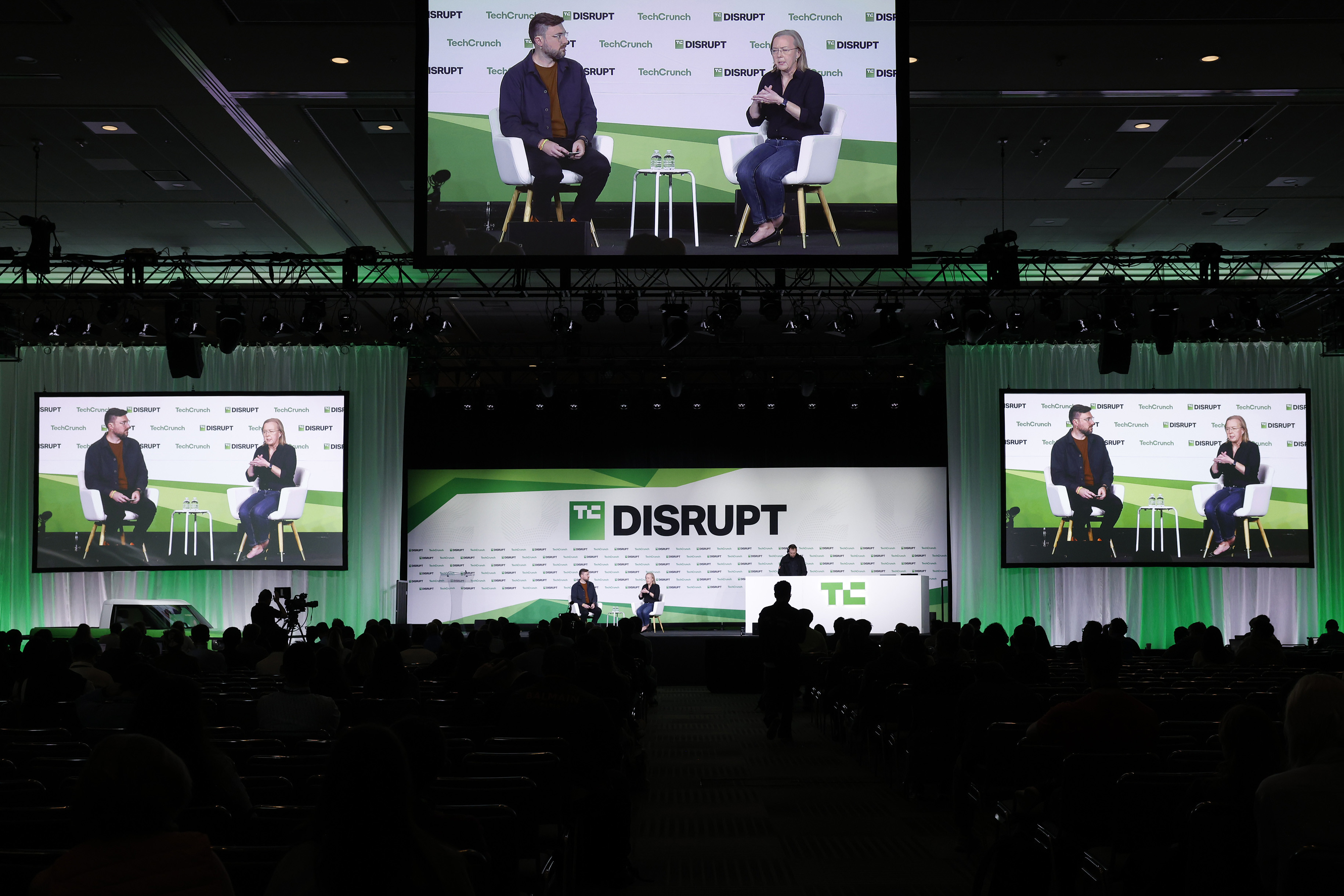
In the rapidly evolving landscape of artificial intelligence, some companies are taking a hard turn toward automation, often at the expense of their human workforce. According to Aaron Levie, founder of Box, this overreliance on AI can lead to what he calls “AI psychosis” — a misguided belief that AI can fully replace human roles without understanding the nuanced realities of those jobs. Levie argues that the people making decisions about AI integration are frequently the ones least equipped to grasp the true value of the roles they’re considering eliminating.
A recent example of this trend is ClickUp, which announced layoffs of 22% of its workforce in a move aimed at replacing human tasks with AI-driven solutions. This decision highlights a growing concern: while AI can streamline processes and reduce costs, it can also lead to significant job losses and a devaluation of human expertise. The ripple effects of such decisions are becoming increasingly evident, with tech layoffs in 2026 already matching those of the entire previous year, signaling a potential overcorrection in the AI adoption race.
The Downside of Over-Automation
The push for AI-driven efficiency is not without its drawbacks. For one, it risks creating a gap between the capabilities of AI and the complex, human-centric tasks that many jobs require. Levie warns that this disconnect can lead to poor decision-making, where the potential of AI is overestimated and the human element is underestimated.
- Job Displacement: As AI tools become more integrated into the workplace, the risk of job displacement rises. This is particularly concerning in industries where AI is seen as a quick fix for labor costs.
- Loss of Human Touch: Many roles require a level of empathy, creativity, and critical thinking that current AI systems cannot replicate. Over-reliance on AI could lead to a loss of the human touch in customer service, healthcare, and other critical sectors.
- Ethical Concerns: As companies rush to adopt AI, ethical concerns about data privacy, algorithmic bias, and the impact on employees are often overlooked.
A Call for Balance
Levie's cautionary stance on AI psychosis serves as a reminder that while AI has the potential to revolutionize industries, it should not come at the expense of human workers. A balanced approach is essential — one that leverages AI to enhance human capabilities rather than replace them entirely. Companies must be careful not to let the AI pill become a crutch that undermines the very people who drive innovation and growth.
The road ahead is fraught with challenges, but it also presents an opportunity to rethink how AI can be used to complement, rather than replace, human labor. As the technology continues to advance, it is crucial that businesses remain vigilant and thoughtful in their approach to AI integration.