If you've been keeping up to date with news of the raging memory supply crisis, then I don't need to tell you how the AI industry's seemingly bottomless hunger for both system storage and RAM has significantly raised prices. Well, it turns out it can get worse than runaway costs, as manufacturers are even more concerned about securing supply, period.
Apacer CEO C.K. Chang recently warned that memory shortages are expected to remain severe throughout 2026. He recently explained that securing supply is a bigger operational risk to Apacer now than paying high costs, as he expects memory manufacturers will release about 30% of their 2026 supply volume in 2027 (via DigiTimes).
Chang clarified that next year's limited supply won't be due to a fundamental shift in the market's structure. Still, in order to guard against such a shortfall, Apacer will attempt to secure as much inventory as it possibly can now. At the end of the 2026's first half, Apacer already held about $383 million worth of inventory.
Many other consumer electronics companies are already thinking along similar lines, securing multi-year supply contracts and further ensuring the memory shortage won't ease in the near term. In such a challenging supply landscape, the Phison CEO's prediction that many consumer electronics manufacturers 'will go bankrupt or exit product lines' by the end of this year seems increasingly likely to come to pass.
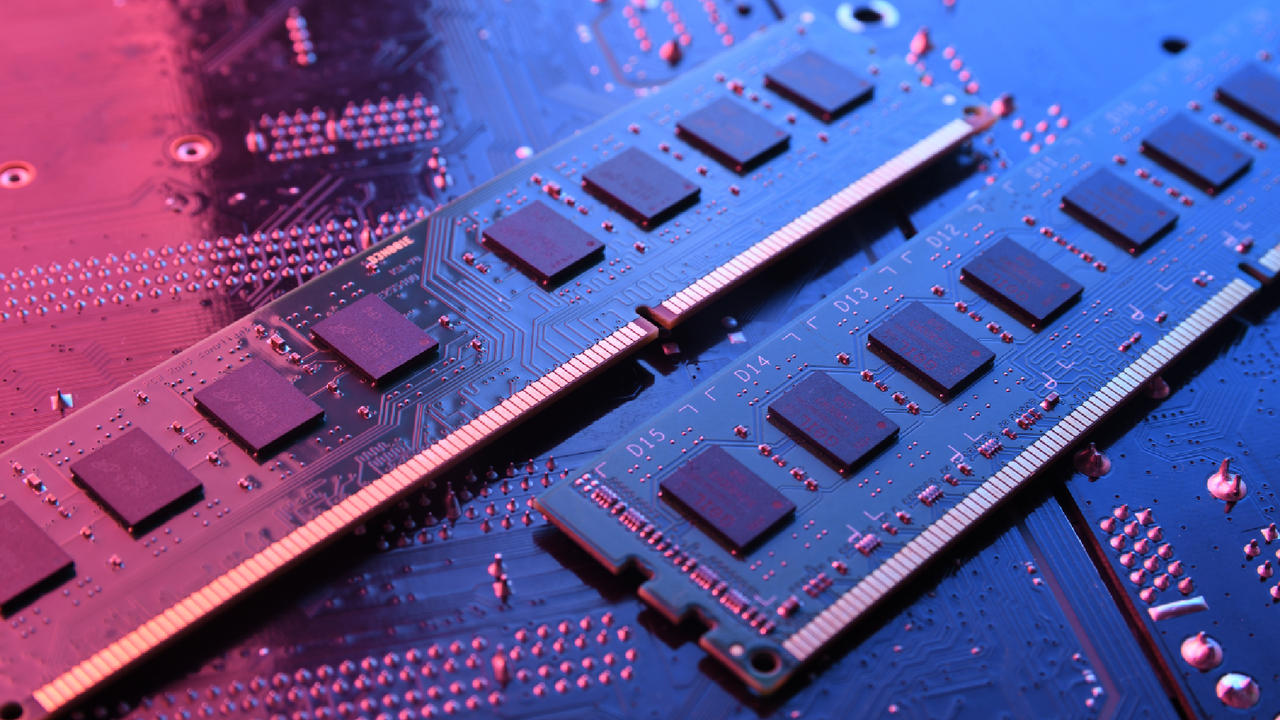
We already knew DRAM was especially hard hit by the supply crisis, but according to DigiTimes, it's estimated that about 60% of all DRAM capacity is now geared towards server-related applications, IE data centres. Chang observes that DDR5 RDIMM server modules in particular have seen the most significant price increases—and will likely continue to spike.
(Image credit: jamesbenet via Getty Images)A potential silver lining is that the rate of price increases from memory suppliers is predicted to slow as actual supply dwindles. I say 'potential' because it may look a little silver if you tilt your head and squint. But anyway, what does that mean for us PC gamers?
Uh, not good news, I'm afraid. RAM and system storage won't just continue to be pricey; it may also become tougher to find. Some regular folks may be willing to pay higher prices for consumer memory (you can take a peek for yourself at some of the best SSD deals right here), but demand from the sector overall is considered 'weak' right now. Unfortunately, the AI industry and other enterprise customers seem only too happy to pick up the slack.