Birmingham's Convention Crossover: Why Cosplay Is Not Consent
Birmingham, the city in England rather than Alabama, recently hosted a chaotic crossover event that brought three massive conventions to one venue. In an unprecedented weekend, DreamHack made its UK debut alongside the anime and pop culture staple MegaCon, while the Arnold Sports Festival served as the unintentional oddball completing this trinity of events. While Cosplay is not consent remains a vital phrase for safety in these spaces, the weekend unfortunately highlighted a troubling regression to entitled behavior where fans felt justified in shoving phones into people's faces without asking first.
The Harassment Behind the Cameras
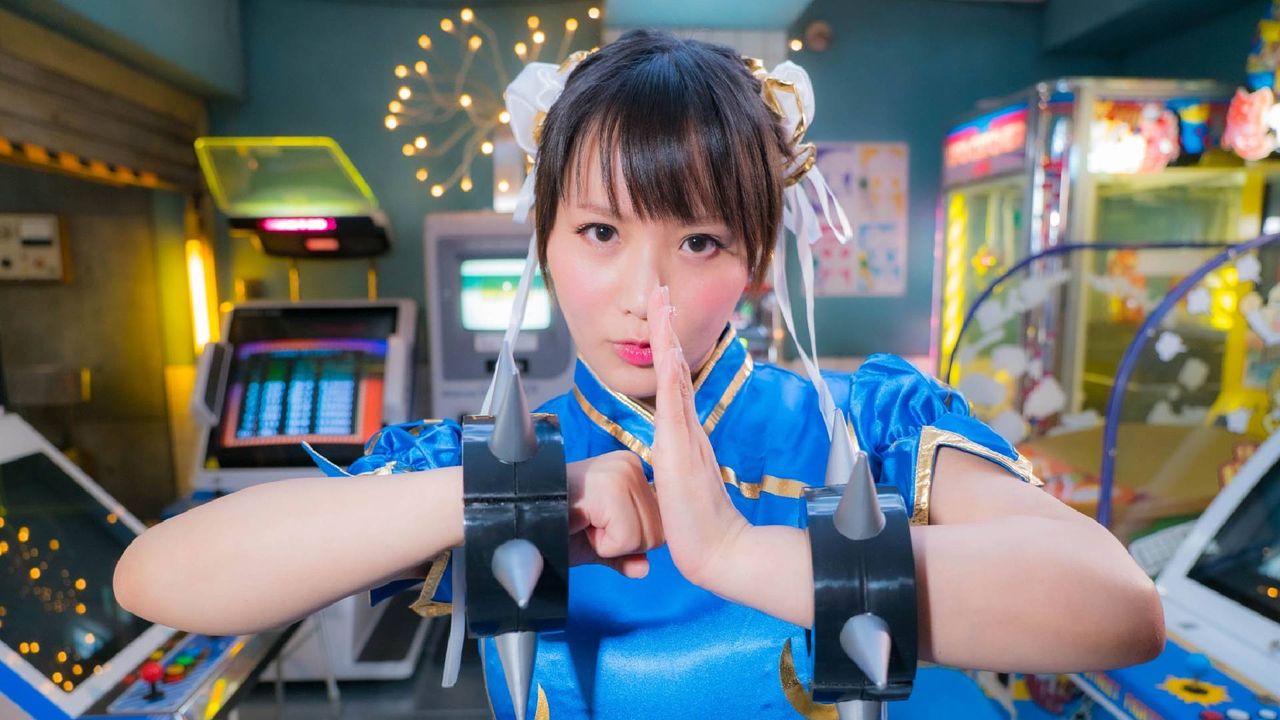
While the collision of worlds produced funny content from creators like @toothlessteddie collaborating with gym bros and cosplayers, it was marred by a surge in harassment targeting those in costume. Attendees disrupted photos being taken by cosplayers, approached them without consent to film uncomfortable questions for "content," and generally engaged in pettily juvenile behavior. This is not new; the one time I cosplayed at 17, I was kissed on the cheek by a stranger with no greeting or permission—a violation the community has fought hard against since then. Despite progress, situations like these prove we are far from a future where wearing a costume doesn't make minorities feel entitled to their bodies and image.
The requirement for consent extends beyond physical contact; it also governs how strangers document our lives. When many cosplayers expressed disappointment at the sheer volume of attendees filming them without asking, the backlash was disappointingly common. Some replies argued that "filming in public doesn't require your consent," a legal truth that often misses the point of social etiquette and personal comfort.
Regardless of whether the intent is admiration or something more sinister, it feels unsettling to know how entitled people feel to capturing snippets of our lives without a second thought. We must ask ourselves: when did we become so comfortable documenting complete strangers, saving seconds of their lives to share with friends, family, or social media audiences? The world would be nicer if people simply asked first before turning cameras toward vulnerable individuals in arcades or at conventions.
Moving Beyond '90s Bullying Tactics
The sentiment shared by many MegaCon attendees is clear: seek permission, have a conversation, and above all, just be cool about it. We do not need to resort to old-school bullying tactics to capture content or interact with others in shared spaces. This issue was not entirely isolated to the Arnold Sports Festival crowd; as the Venn diagram of interests suggests, "nerdy gym rats" are everywhere, including the writer of this piece. Other attendees whose interests span multiple conventions also stepped up to offer support.
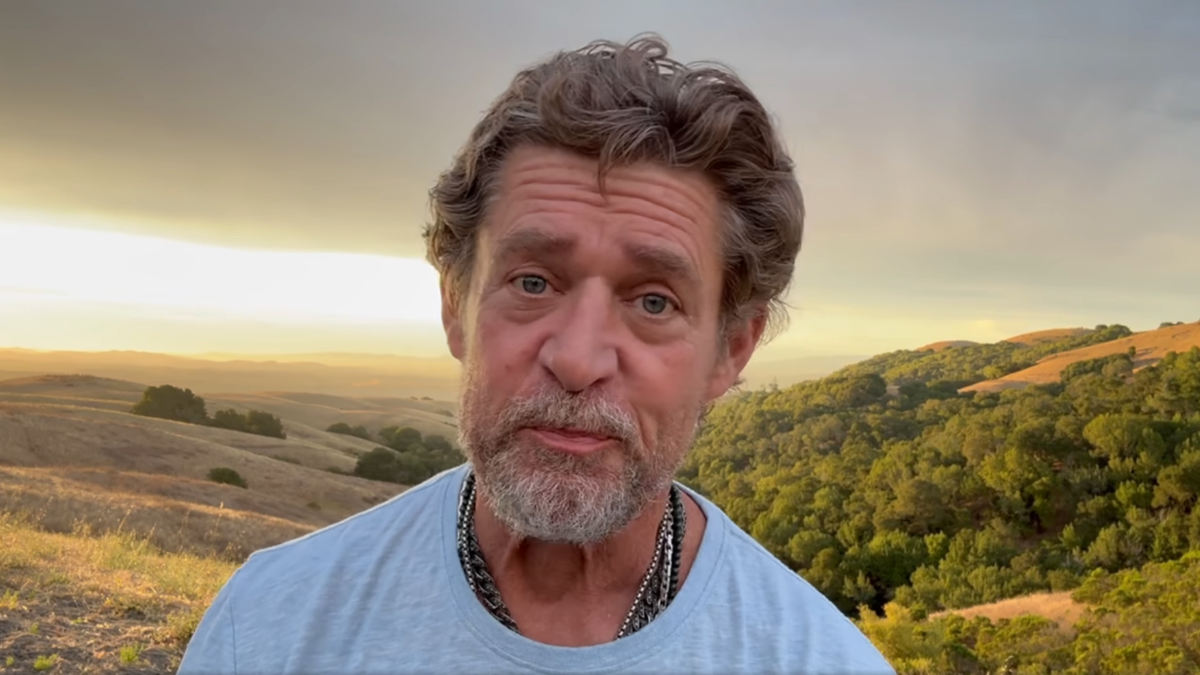
Taqee Mcdaniel, known for his brand as a cutesy cosplaying yoked bro, condemned the handful of people ruining the experience in an Instagram video featuring himself shirtless with a Hello Kitty filter. The frustration was largely directed at one Kick streamer who spent four hours approaching cosplayers to ask deliberately unnerving questions designed to make fun of them and later purposely invaded a group photograph.
It is incredibly uncool behavior that undermines the purpose of these events, which are meant to be safe spaces for people to share their interests. Whether those passions involve protein powder, EVA foam, or esports, everyone is there for one reason: meeting like-minded people and having a good time. To ensure this experience remains positive for everyone involved, we should all strive for small but meaningful changes, such as the simple act of asking before taking any photos or videos.
Key takeaways for respectful convention etiquette:
- Always ask for permission before filming or photographing cosplayers.
- Respect personal boundaries and avoid approaching people who appear busy or uncomfortable.
- Remember that legal rights to film in public do not equate to social appropriateness.
- Treat fellow attendees with kindness, regardless of their specific interests or hobbies.
By prioritizing consent and respect, we can move past the entitled behavior that plagues these events and create a more welcoming environment for all. Let's commit to making our shared spaces safer and more enjoyable by simply asking before we capture someone else's moment.