The Rocket Bottleneck Blocking Orbial Data Centers
The demand for low-latency data processing in orbit is no longer a theoretical concept; it is an urgent operational necessity. In the world of space-based computing, every second of delay translates into millions lost for latency-sensitive applications. Companies scrambling to establish a presence beyond Earth are hitting a hard limit: there simply aren’t enough rockets to deploy large constellations of data centers among geostationary and low-Earth orbits.
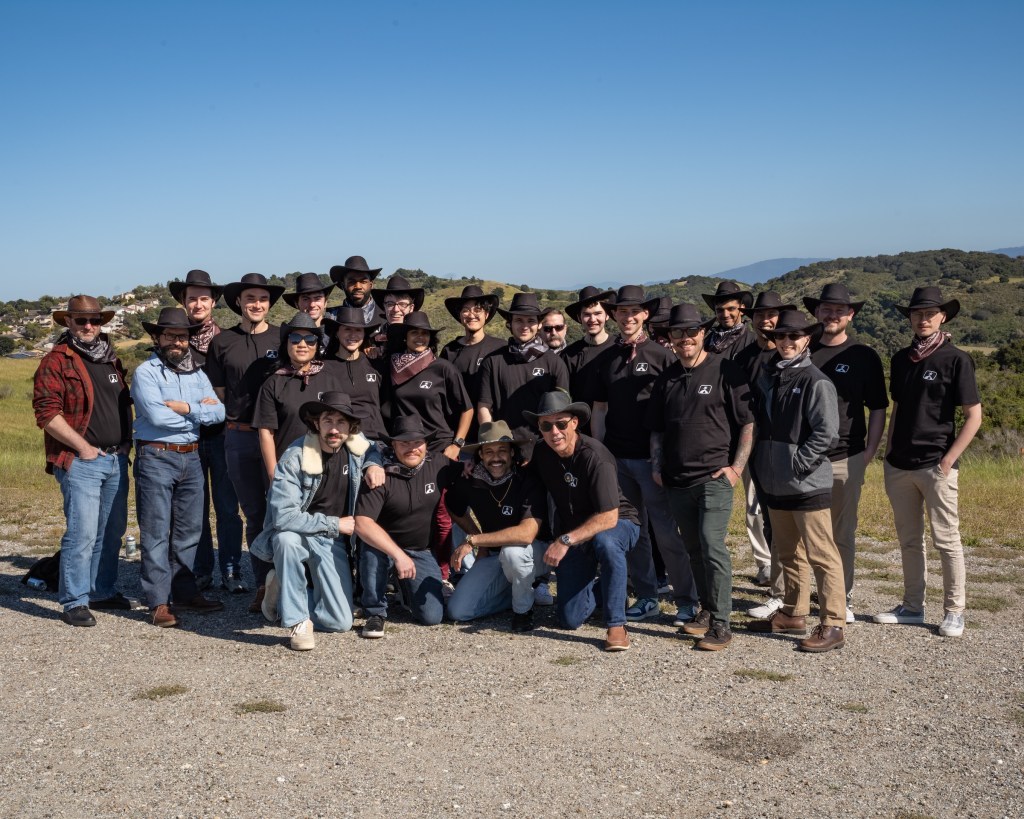
This capacity gap has created a vacuum that new players are rushing to fill. Cowboy Space has stepped into this breach, raising $275 million in Series B funding to accelerate its own launch vehicle program. Led by Index Ventures and backed by Breakthrough Energy Ventures and Construct Capital, the startup aims to solve the critical infrastructure problem that prevents orbital data centers from becoming a reality.
A Strategic Pivot to Dedicated Launch Infrastructure
Cowboy Space’s approach differs fundamentally from traditional aerospace models. CEO Baiju Bhatt’s vision centers on embedding data centers directly within the second stage of a rocket. This design simplifies the architecture compared to traditional payloads, allowing for a more integrated and efficient system.
The company is targeting a specific niche: one megaton-class satellites carrying 1 MW of compute power for AI workloads. This mass and power profile is similar to that of a Falcon 9, but optimized specifically for orbital infrastructure rather than general-purpose satellite deployment. By focusing on high-frequency launches, Cowboy Space bets on amortizing development costs through scale, positioning itself as a specialized provider once its launch cadence matures.
Technical Differentiation and Elite Talent
To execute this ambitious plan, Cowboy Space is recruiting veteran engineers from industry giants. The team includes propulsion experts like Warren Lamont and launch directors such as Tyler Grinne, bringing decades of experience from Blue Origin and SpaceX.
The technical strategy relies on several key innovations:
- Proprietary Rocket Engines: Under development to ensure reliability without the need for multi-stage separation, maximizing payload efficiency.
- Reusability: Leveraging proven reusability concepts while addressing the unique challenges of integrating data centers in microgravity environments.
- Integrated Design: Simplifying the interface between the launch vehicle and the compute payload to reduce failure points.
Market Timeline and Competitive Landscape
While SpaceX and Blue Origin currently dominate short-term capacity, their primary focus on satellite internet leaves limited availability for experimental data center concepts. Development backlogs plague emerging players such as Stoke Space, Firefly, and Relativity Space, delaying any near-term deployment. Specialized solutions from competitors like Google’s Suncatcher are still targeted for the mid-2030s, leaving a critical gap in the market.
Cowboy Space predicts its first orbital flight before 2028. However, this timeline is constrained by regulatory approvals and facility construction. The company positions itself as a dedicated partner for AI-driven missions, carving out a niche that generalist launch providers have yet to fill.
Implications for AI and Edge Computing
The surge in generative AI models demands compute capacity closer to users and sensors, but Earth’s terrestrial infrastructure cannot meet the latency requirements for real-time applications. Orbital data centers could reduce round-trip delays by orders of magnitude, enabling real-time inference for autonomous systems in space.
However, the business case hinges on proving unit economics competitive with terrestrial alternatives. If Cowboy Space can deliver on its timeline, it could reshape how humanity processes data among the stars. Success depends on overcoming technical hurdles, securing additional financing, and demonstrating clear value to satellite operators seeking latency-sensitive solutions.
Regulatory and Operational Challenges
Launching data centers into orbit is not just an engineering challenge; it is a regulatory minefield. Launch providers must secure frequency allocations and orbital slots, processes that can stretch over months or years for high-value payloads. Furthermore, safety standards for payload integration in rocket stages demand rigorous testing to avoid catastrophic failures during ascent.
Environmental assessments of rocket exhaust in sensitive orbits are also intensifying, adding another layer of compliance complexity. As the industry watches closely, any breakthrough in orbital capacity will not only validate the technical feasibility of space-based AI but also define the future of global data infrastructure.