The Crimson Desert AI Scandal Should Bother You More Than You Think
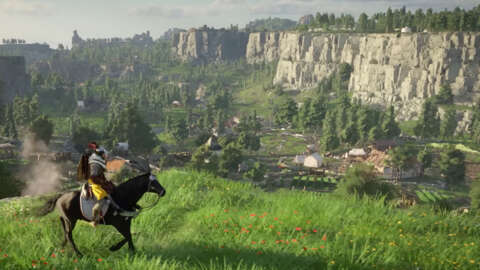
Crimson Desert's AI scandal is a wake-up call for anyone who thought they were playing a polished, human-curated masterpiece. In many ways, this title fits the mold of the RPGs fans have been begging for: an enormous, sprawling setting comparable to Assassin's Creed, stripped of the tedious laundry list of quests that typically cause burnout in Ubisoft open-world games. It champions freedom and experimentation much like The Legend of Zelda: Breath of the Wild, yet pairs it with a consistent narrative drip-feed designed to keep players engaged. While the game starts slowly, it has largely been a fun ride, potentially ranking as the best game played so far in 2026.
However, that enthusiasm is dampened by a nagging doubt every time the title loads: "Is this actually AI?" The discourse surrounding Crimson Desert often fixates on whether the product is simply "good," but we cannot ignore the context of its release. If gaming reviews took place in a vacuum, I might rate it a solid 7/10 RPG, but the industry reality is far more complex and concerning for consumers.
Unmasking the Crimson Desert AI Controversy
The controversy isn't just about quality; it's about transparency. We live in an era where studios are increasingly outsourcing creative work to generative AI while refusing to disclose these practices. Developer Pearl Abyss exemplified this by releasing Crimson Desert on March 19 despite the game being clearly unpolished. The launch version suffered from several critical flaws that suggest a lack of human oversight:
- A frustrating storage system that hampers inventory management.
- A bizarre control setup that feels unintuitive for an action RPG.
- Blurry graphics on the PlayStation 5, indicating poor optimization or asset scaling issues.
Perhaps most damning was the presence of a load of AI-generated "placeholder" art that was "unintentionally" left in the final build. This inclusion points to a rushed development cycle where generative tools were used as shortcuts, bypassing the rigorous testing and refinement processes usually handled by human artists.
Why Crimson Desert's Release Demands Accountability
The release of Crimson Desert on March 19 serves as a stark reminder that the gaming industry is changing in ways players are not fully equipped to handle. When a studio releases a game with such glaring issues, it raises questions about who is actually behind the keyboard. The "little twinge of doubt" mentioned by many players is not just paranoia; it is an intuitive response to the uncanny valley of AI-generated content masquerading as human creativity.
The Crimson Desert AI scandal should bother you more because it sets a precedent. If Pearl Abyss can release a game with unpolished mechanics and leftover placeholder art, other studios may follow suit, prioritizing speed and cost-cutting over player experience. The "good" rating of 7/10 feels insufficient when the core issue is trust; players deserve to know if they are buying a human-crafted world or a procedurally generated simulation.
Ultimately, Crimson Desert remains an interesting case study in modern game development. It has the potential to be the best game of 2026 on paper, but the shadow of AI-generated content looms large over its reputation. Until developers commit to full disclosure about their use of generative tools, the gaming community must remain skeptical of every new release that feels slightly "off." The industry needs to move beyond black-and-white discussions and address the ethical implications of hiding AI integration from consumers.