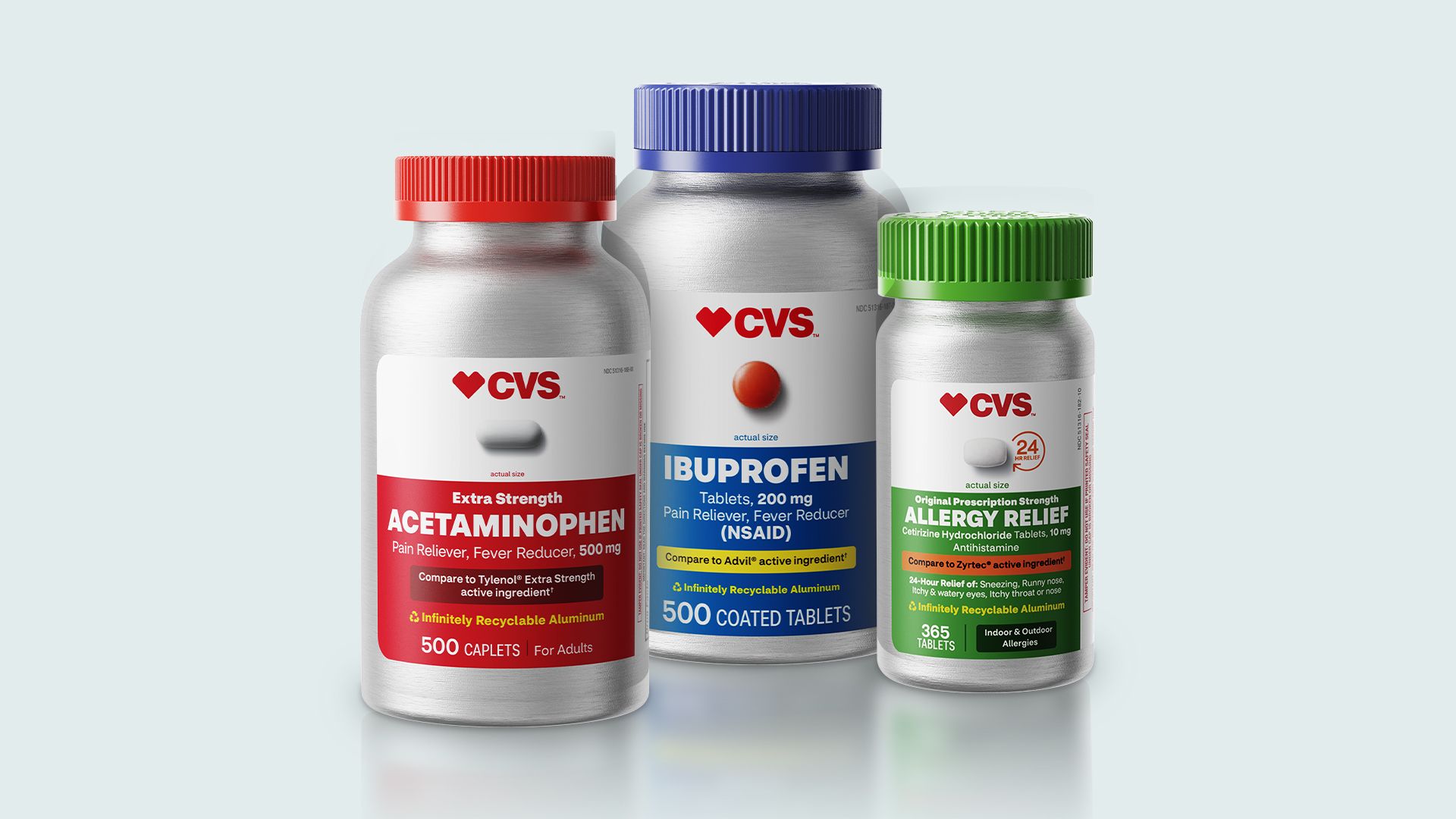
CVS Is Switching to Aluminum Pill Bottles
Over 30 billion plastic pill bottles are discarded annually in the United States alone, contributing significantly to the nation’s growing plastic waste crisis. In response, CVS Health has begun a shift toward aluminum packaging for its over-the-counter medications, marking a notable step in the retail pharmacy industry’s push for more sustainable practices.
A Shift in Material, Not Just Branding
CVS’s move to aluminum pill bottles is part of a broader brand refresh, signaling the chain’s intent to modernize its image while addressing environmental concerns. The change is also a strategic response to a post-pandemic retail landscape where consumer expectations for sustainability have risen sharply. While the transition is framed as a sustainability initiative, it also aligns with the company’s recent efforts to streamline its store layout and improve the shopping experience.
Practical and Environmental Considerations
Aluminum is a more widely recyclable material than the rigid plastics traditionally used for pill containers. This shift could help reduce the environmental footprint of pharmaceutical packaging, though the practical benefits remain nuanced. The new bottles are lighter than their plastic predecessors, which could lower shipping costs and emissions. However, the exact weight reduction has not been disclosed by the company.
- Aluminum bottles will be easier to recycle in many areas.
- They are designed to maintain the same level of product integrity as plastic.
- The caps remain the same, and users will need to remove them before recycling.
Despite these advantages, the recyclability of aluminum bottles depends on consumer compliance, as labels and caps must be removed before the containers can be processed. This is the same requirement as with plastic bottles, though the broader acceptance of aluminum in recycling programs may ease the process for many users.
A Cautionary Step Toward Sustainability
The change is not a complete overhaul of CVS’s packaging strategy. For now, aluminum bottles are limited to select over-the-counter medications, including store-brand versions of allergy and pain-relief drugs. The chain has not yet announced plans to extend the use of aluminum to prescription medications or expand the selection of products in this format.
CVS’s decision also reflects a broader industry trend of rethinking packaging in the face of mounting pressure to reduce waste. However, the impact of this shift on the overall plastic waste problem will depend on how widely the practice is adopted and how effectively consumers engage with the recycling process.
What’s Next for Sustainable Packaging?
The success of aluminum pill bottles at CVS may influence other retailers and manufacturers to explore similar changes. However, the transition is likely to be gradual, as companies weigh the costs of retooling packaging lines against the benefits of improved sustainability. For now, the initiative serves as a test case for how consumer-facing brands can integrate eco-friendly materials into their product designs without sacrificing practicality or brand identity.
As the pharmaceutical industry continues to evolve, the shift to aluminum may prove to be a small but meaningful step in the right direction. Whether it becomes a long-term solution or a temporary adjustment will depend on consumer feedback, regulatory support, and the broader movement toward sustainable packaging across the retail sector.