A Tragedy of Glass and Grief in Daredevil: Born Again Season 2 Episode 4
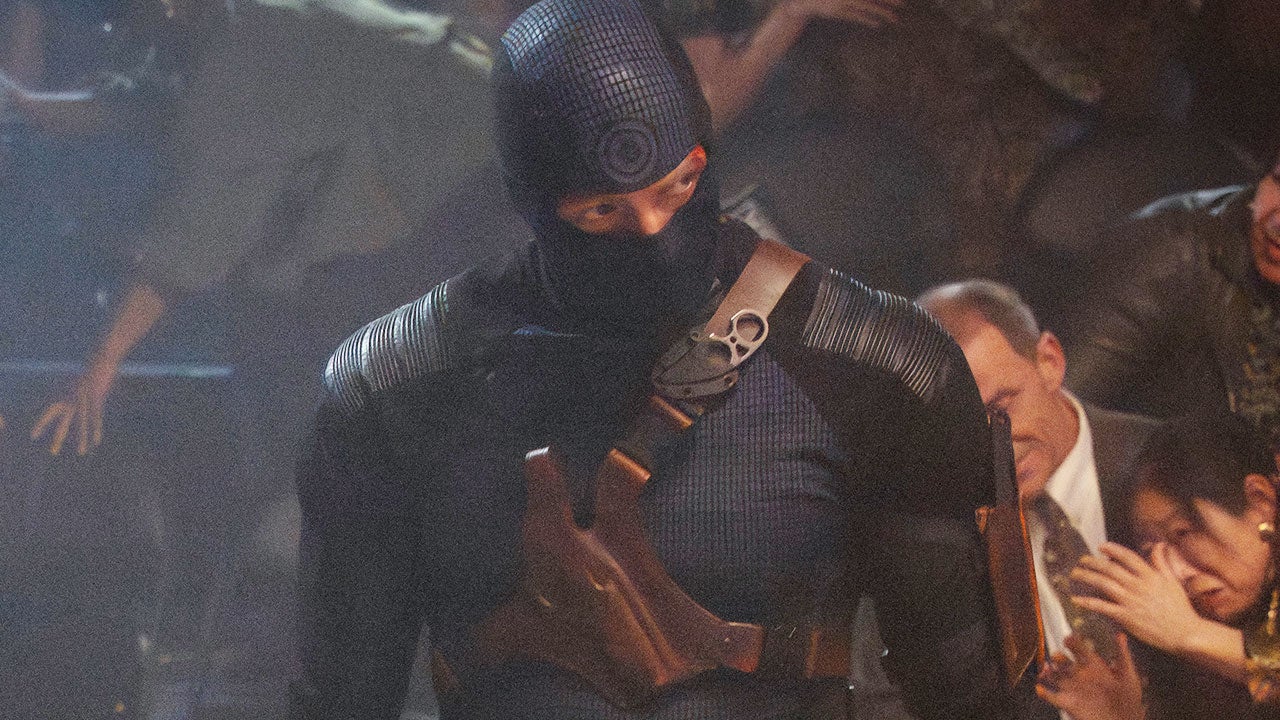
A glass ornament shatters mid-air in the latest Daredevil: Born Again episode, its sound echoing through a packed charity boxing gym before a shard finds its mark in Vanessa Fisk's forehead. This fourth installment of the series transforms from a standard procedural into a Shakespearean study of how quickly love can curdle into a catalyst for mutual destruction. Anchored by Vincent D'Onofrio's terrifying portrayal of Wilson Fisk, Daredevil: Born Again delivers a season where the line between vengeance and salvation has been deliberately blurred by showrunner Dario Scardapane. The silence following the tragedy is not merely about loss; it is the culmination of a narrative arc that dares to let its characters face irreversible consequences.
The episode serves as a brutal milestone in the ongoing saga, proving that Daredevil: Born Again Season 2 is willing to pull the rug out from under its audience. By killing off a central character through an accidental act of violence, the narrative shifts into a high-stakes tragedy where no one is safe and every action has a devastating price.
Bullseye's Unhinged Reckoning: A Code for Chaos
Wilson Bethel delivers a performance in this Daredevil: Born Again episode that balances the character's inherent lethality with a desperate, twisted attempt at redemption. For the first time this season, Bullseye dons his comic-accurate target logo not as a grimace of war, but as a brand he is willing to wear while sparing innocents in a diner shootout. He leaves the logo carved into doorways and embedded in knife handles, a calling card that suggests he is still operating with a code, however flawed it may be.
The narrative justification for this shift—a deal made with Matt Murdock to balance the scales by targeting Kingpin—feels slightly rushed but remains acceptable given the chaotic nature of Dex's psyche. He claims to have undergone rehabilitation while incarcerated, yet the result is a pragmatic assassin who will only commit murder when he feels personally indebted or wronged. This messy evolution serves the character well, grounding his cinematic lethality in a human motivation that feels organic to his history with Matt and Vanessa.
Key moments defining this phase of Bullseye's arc include:
- The Diner Escalation: A masterclass in tension where casual conversation turns into a tactical slaughter without breaking the fourth wall's immersion.
- The Calling Card: Bullseye leaving his target logo on weapons signals a new, more theatrical phase of his criminal enterprise.
- The Moral Calculus: Dex attempts to kill Fisk to repay Matt, but only after being told he must spare innocents first, creating a bizarre ethical framework for a murderer.
The line "Oh, don't worry, I'm one of the good guys" lands with a chilling dissonance; it is delivered by a man who just wiped out a tactical unit while sipping a milkshake, highlighting the terrifying gap between his self-perception and reality.
The Weight of History: When Legacy Becomes a Curse
The episode leans heavily into the legacy of the Netflix series, integrating flashbacks of young Matt Murdock in their original aspect ratio rather than forcing them into a modern crop. This decision honors the source material's visual language while building a bridge to the current narrative, signaling that Daredevil: Born Again is no longer afraid to embrace its roots. The return to Fogwell's Gym for Fisk's charity event provides a familiar backdrop, even if the logistics of a high-profile match in such a small venue stretch credibility slightly.
However, the emotional core of the episode rests on the tragic trajectory of Vanessa Fisk. Her death at the hands of her husband, albeit accidentally via a shard of glass from an ornament thrown by Bullseye, carries the weight of a lifetime of enabling and being enabled. Vincent D'Onofrio's Kingpin transforms from a calculating crime lord into a feral beast in moments, his rage palpable as he shatters the very object that kills the woman he claims to love. The tragedy is compounded by the fact that Fisk could have deflected the ornament differently; his failure adds a layer of self-inflicted torment to his grief, ensuring that his descent into madness will be personal and absolute.
The sudden departure of Jack/Benjamin Turner (Swordsman) remains a notable fracture in the narrative fabric. After seeing firsthand the chaos under Fisk's rule, the character exits with a vague promise of rest rather than a strategic withdrawal. This feels forced, particularly as Jessica Jones has yet to make her anticipated return, leaving Matt without a crucial ally during this critical juncture. While Angela Del Toro begins her transformation into White Tiger, she cannot fully compensate for the loss of a character who understood the stakes of fighting Fisk better than anyone else.
A Turning Point in the War Against Crime
The convergence of Bullseye's chaos and Fisk's rage creates a narrative pivot point that threatens to upend the entire season. The episode ends not with a victory, but with a catastrophe that will likely propel Kingpin into a spiral of unchecked violence. Dario Scardapane's willingness to let Vanessa die suggests a commitment to long-term consequences over temporary comfort, a risky move for a show built on character-driven drama.
The series has successfully pivoted from the structural overhaul of Season 1 to a more cohesive, historically rich narrative in Daredevil: Born Again Season 2. By weaving in elements like the Netflix-era aspects and deepening the psychological profiles of its villains, the show is establishing itself as a distinct entity that respects its predecessors while carving out its own identity. The chaos at the boxing match serves as a grim omen; with Fisk unraveling and Bullseye operating with a new, unpredictable freedom, Matt Murdock faces a battlefield where the rules of engagement have been rewritten by tragedy.
In the end, Daredevil: Born Again proves that its most powerful weapon isn't a billy club or a throwing star, but the willingness to let its characters suffer real, irreversible consequences. The show's commitment to this tragic arc ensures that the stakes have never been higher, setting the stage for a finale where no character may be immune to the fallout of their past actions.