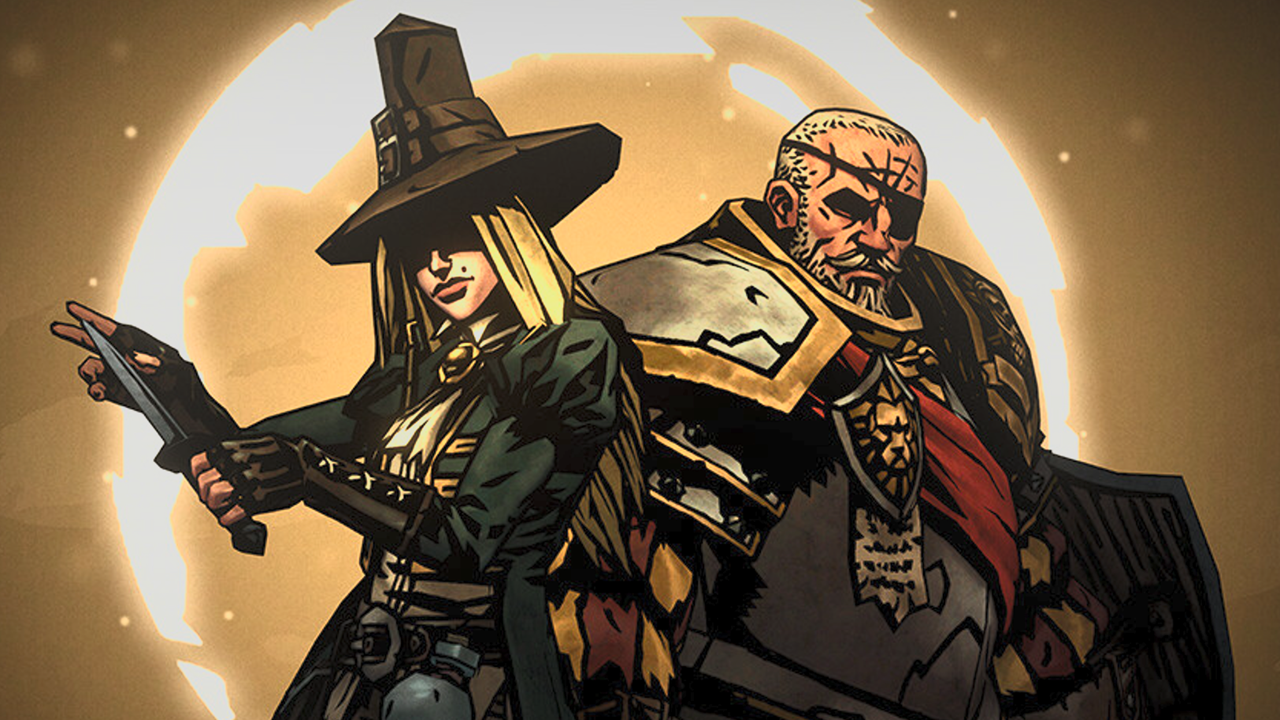
Red Hook Studios has made a definitive stand regarding the future of its iconic franchise, confirming that the developer will never use AI to replicate the voice of late narrator Wayne June. In a recent reply to a community post on the Darkest Dungeon subreddit (via Kotaku), studio co-founder Chris Bourassa addressed growing concerns about digital legacy preservation and synthetic media. The developer's stance is clear: the studio will protect June’s legacy rather than risk eroding it through technological imitation.
The conversation began after fans expressed worry about how the series would handle narration moving forward. Bourassa shared that June had actually sent him a final email granting permission to train an artificial intelligence model on his vocal recordings. This marked a significant shift for the actor, who had previously been staunchly opposed to the technology.
Bourassa explained the context behind that final message and the studio's decision to decline the offer.
"In one of his last emails to me, Wayne gave us permission to train an AI on his voice, something he'd staunchly opposed prior to the end," Bourassa said. "We'd never asked to do it. I think he was trying to put the game/team/fans first - offer us a 'way forward.' I declined, and we donated to his family anyway."
Red Hook Studios Refuses to Use AI to Replicate the Voice
The studio confirmed that Wayne June passed away in January 2025. At the time, Bourassa released a heartfelt tribute acknowledging the profound impact the narrator had on the series. He noted that writing for June over a ten-year tenure was one of the greatest honors of his career, adding that despite never meeting him in person, he considered the actor a friend.
June’s distinctive delivery was instrumental in shaping the grim, atmospheric world of Darkest Dungeon. His narration helped define the franchise from its original 2016 launch through its highly anticipated sequel in 2023. Because the vocal performance is so deeply woven into the game's identity, Bourassa emphasized that using AI to replicate the voice for future installments was never an option.
"I would never, ever erode his incredible and timeless performances by teaching a machine to sound like him," Bourassa added in his Reddit response. "His voice and delivery was *human, and I'm forever grateful I got to write for him."
The Broader Industry Battle Over Digital Likenesses
Red Hook’s decision comes as the gaming and entertainment sectors grapple with the rapid advancement of synthetic media. Fears regarding AI replacing both living performers and the estates of deceased talent have intensified significantly in recent years. Several high-profile figures and organizations have recently pushed back against unauthorized or commercial AI usage.
Recent developments in the industry highlight the growing tension between technological capability and ethical preservation:
- Steve Downes, the voice behind Master Chief, publicly condemned AI voice cloning earlier this year.
- Robert Downey Jr. threatened legal action in 2024 against any executive attempting to recreate his likeness using artificial intelligence, regardless of his living status.
- The film As Deep as the Grave faced immediate backlash after announcing plans to use AI to recreate the voice of Val Kilmer following his passing.
- The Academy of Motion Picture Arts and Sciences recently updated its rules to explicitly bar AI performances from Oscar consideration beginning in 2027.
As the industry continues to debate how to handle digital rights and synthetic media, Red Hook's refusal to use AI to replicate the voice of legacy talent sets a clear precedent. By drawing a hard boundary around Wayne June’s vocal legacy, the developer has reinforced its commitment to preserving the artistic integrity of Darkest Dungeon. The studio’s choice to prioritize human artistry over technological convenience ensures the franchise's future will remain authentically grounded.