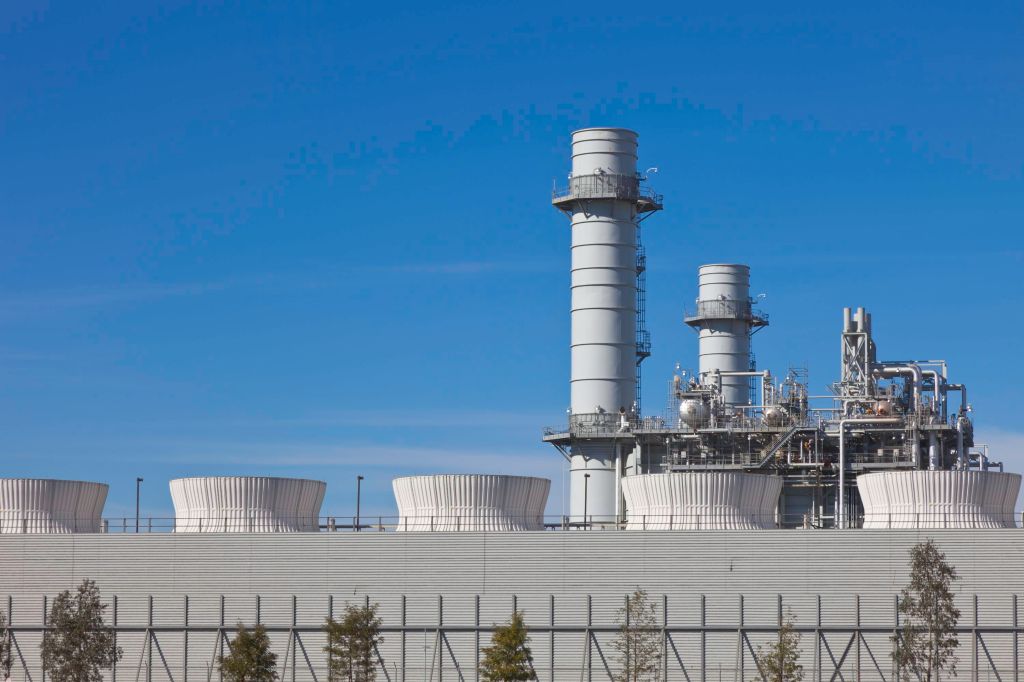
The expansion of energy infrastructure across the American landscape is hitting a significant financial wall. According to a recent report from BloombergNEF, rising natural gas power plant costs have surged by 66% over the last two years. This spike highlights the growing friction between the insatiable electricity needs of the AI era and the physical realities of industrial manufacturing.
The Economic Shift in Power Generation
The transition from 2023 to the present has seen the price of building new gas-fired facilities jump from less than $1,500 per kilowatt of generating capacity to approximately $2,157. This is more than a budgetary hurdle; it represents a fundamental shift in the economics of power generation. Beyond raw capital expenditure, construction durations have also stretched by roughly 23%.
As tech giants like Microsoft and Meta pivot toward natural gas to secure reliable baseload power, they are entering a market defined by scarcity and inflation. While US natural gas prices have remained relatively stable despite geopolitical volatility, the infrastructure required to harness that fuel is becoming prohibitively expensive. This creates a paradox where the fuel is accessible, but the means to convert it into electricity for data centers is increasingly out of reach.
Why Natural Gas Power Plant Costs are Skyrocketing
The primary driver behind this cost explosion is a critical shortage in specialized hardware, specifically gas turbines. These components represent up to 30% of the total cost of a new power plant, and their market is currently undergoing massive inflationary pressure. By the end of this year, the price for essential turbine equipment is expected to be 195% higher than prices recorded in 2019.
The crisis is compounded by the difficulty of scaling production for such high-precision machinery. Unlike software deployment or solar panel manufacturing, gas turbine fabrication relies on complex metallurgical processes that cannot be rapidly replicated. This has resulted in a logistical backlog that threatens future energy security:
- Extended Lead Times: Order waitlists for new turbines are now stretching into the early 2030s.
- Scale Shift: The industry is moving away from modular builds toward massive facilities, with the average data center expected to exceed 100 megawatts in the coming decade.
- Capacity Surge: Total electricity demand from new additions is projected to rise from the current 40 gigawatts to a staggering 106 gigawatts by 2035.
A Divergent Strategy for Energy Autonomy
The mounting costs and public scrutiny are forcing "hyperscalers" to adopt different approaches to the energy transition. While some firms are doubling down on natural gas, others are seeking paths that bypass fossil fuel infrastructure volatility altogether. Public backlash is also increasing as utilities pass the massive costs of new generation projects directly to residential consumers.
Google has emerged as a notable outlier in this trend, focusing on a strategy that integrates renewables with advanced storage solutions. By investing in long-duration energy storage, such as iron-air batteries capable of discharging power for up to 100 hours, the company aims to decouple its growth from the turbine market.
As solar and battery technologies continue to follow a downward cost trajectory, the industry faces a looming decision: continue chasing the immediate reliability of natural gas at an astronomical premium, or wait for the storage revolution to meet the demands of the AI age.