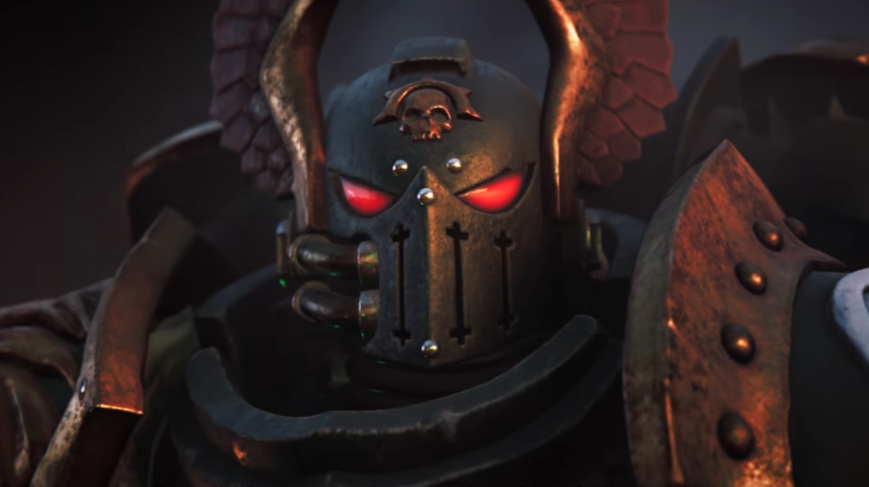
The Warhammer 40,000 gaming landscape is expanding rapidly. Following the recent Warhammer Skulls showcase, which unveiled a slate of major reveals and updates, fans are looking at a busy year ahead. Among the most anticipated titles are Dawn of War IV and Total War: Warhammer 40,000.
While both are PC-focused strategy games sharing a common universe, they differ significantly in design. For the developers at King Art Games, however, the existence of another major 40K title isn’t a threat. In fact, they believe the broader ecosystem is benefiting everyone involved.
A Rising Tide Lifts All Boats
When asked if there is room for both Dawn of War IV and Total War: Warhammer 40,000 to achieve long-term success and sustain years of DLC support, the response from King Art Games was unequivocal. Creative Director Jan Theysen and Senior Game Designer Elliott Verbiest insist that Total War is not direct competition.
Instead, they view the release of high-quality Warhammer 40,000 games as a net positive for the franchise.
“We are happy the more good Warhammer 40K games are out there, because the more good games there are the more people care about it, the more people are interested in Warhammer in general,” Theysen explained.
The developers argue that the player base is not mutually exclusive. Rather than forcing fans to choose one title over the other, the studios hope that engaging with one franchise entry will drive interest in the other.
- Mutual Support: Developers want to see their peers succeed, acknowledging that a great game brings more eyes to the entire franchise.
- Player Flexibility: Theysen notes that it is rare for players to stick to just one game indefinitely; many will likely engage with both.
- Industry Camaraderie: The team at King Art Games explicitly stated they like the developers at Creative Assembly and are excited to play Total War: Warhammer 40,000 themselves.
Verbiest summarized the sentiment perfectly: “Definitely a case of rising tide lifts all boats. We're looking forward to playing it as well!”
Distinct Gameplay Loops and Entry Points
Despite sharing a setting, Dawn of War IV and Total War: Warhammer 40,000 occupy different niches within the strategy genre. Understanding these differences helps explain why both can coexist without cannibalizing each other’s audience.
Traditional RTS vs. Grand Strategy
Dawn of War IV is a classic Real-Time Strategy (RTS) game. It focuses on resource gathering, base building, unit production, and direct action. This traditional structure offers a level of immediacy that differs sharply from the turn-based grand strategy mixed with real-time tactical battles found in the Total War series.
Managing Scale and Overview
Theysen believes Dawn of War IV will stand out by offering a "manageable middle ground" regarding the scale of combat. It avoids the extremes of single-hero narratives or uncontrollable hordes.
- Balanced Scale: The game avoids the small-scale focus of Space Marine 2 while steering clear of the hundreds of units seen in massive Total War battles.
- Strategic Clarity: This specific size allows players to maintain an overview of the battlefield. Theysen notes this prevents players from "losing the overview right away," keeping the strategic layer accessible.
- Unique Identity: This balance gives Dawn of War IV a distinct feel, emphasizing that while battles are large, they remain manageable for the player.
A Gateway for New Players
One of Dawn of War IV’s strongest selling points is its potential as an entry point for newcomers to the 40K universe. With Relic Entertainment’s original Dawn of War launching over 20 years ago, there is a proven track record of the franchise attracting new fans.
The game launches with story campaigns for four playable factions: Space Marines, Orks, Necrons, and Adeptus Mechanicus. Each faction receives dedicated narrative content designed to be accessible even to those without deep lore knowledge.
“It might be a good entry point for players who are maybe not super familiar with Warhammer 40K, because we try to tell stories that even without too much 40K deep knowledge still make sense,” Theysen said.
The historical impact of the series is significant. Theysen highlighted that a vast number of current fans cite the original game as their introduction to the lore.
“It's ridiculous how many people tell us that they came to 40K because of Dawn of War 1. Basically every second person we talk to says, ‘Yeah, because of Dawn of War I’m a 40K fan.’ It would be awesome if we can do it again.”
Release Windows and What Comes Next
Timing plays a crucial role in how these titles will interact in the market. Dawn of War IV has a confirmed release date of September 17, 2026, available on PC via Steam.
Total War: Warhammer 40,000 currently lacks a specific release window. While speculation about a late 2026 launch exists, the distance between the two releases suggests they may not compete for immediate attention in the same way.
As both titles move toward production, the developer community’s positive outlook suggests that fans can expect a rich, diverse landscape of Warhammer 40,000 gaming in the coming years, rather than a fragmented market.