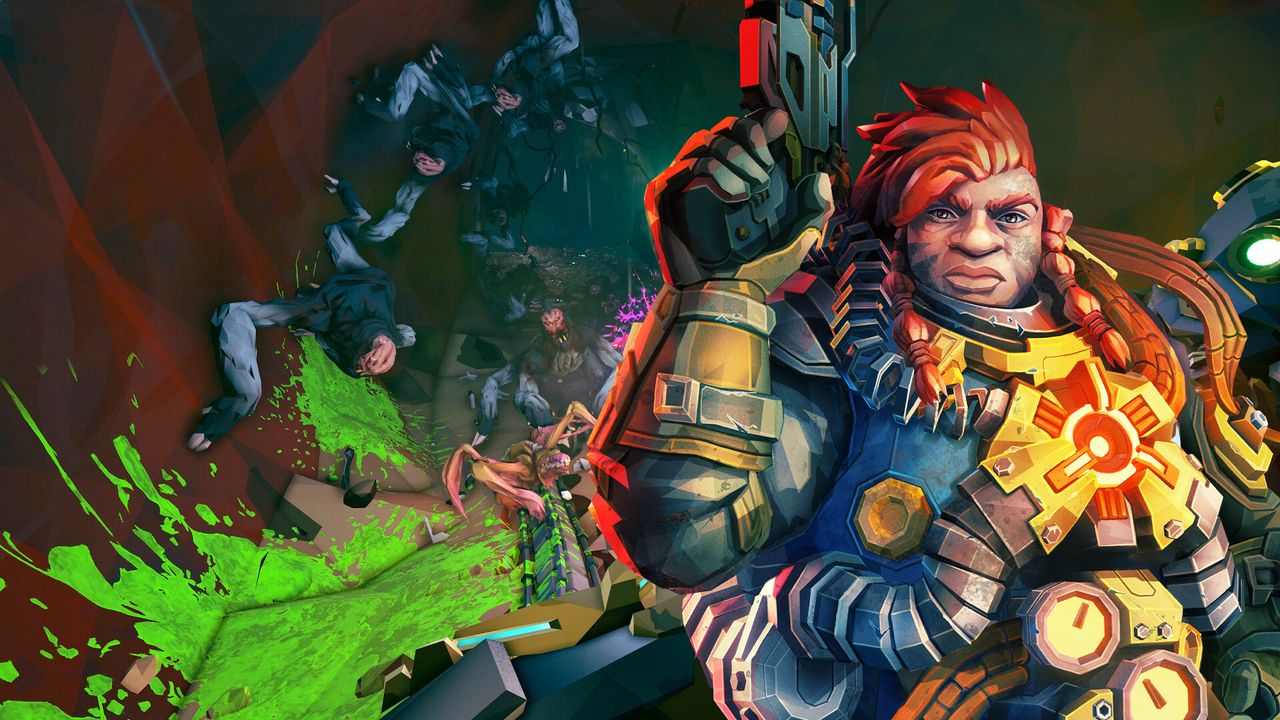
In the dwarven caste system of Deep Rock Galactic, the Reclaimers are the elite of the elite—too skilled to waste their talents on simple mining. However, being a dwarf means even an elite squad can't escape the pickaxe; in the new spin-off Deep Rock: Rogue Core, you will still be chipping away at minerals between waves of relentless monsters.
While the Reclaimers might be the mining company's version of Navy SEALs, the role feels somewhat conventional compared to the original game. The magic of the first Deep Rock Galactic was its deviation from the standard co-op shooter formula. It prioritized exploration and collaborative problem-solving over pure gunplay, using unique utilities like ziplines and platform guns to navigate complex environments.
Transitioning to a Roguelite Shooter
With Deep Rock: Rogue Core, the developers have reverse-engineered their unique formula into a more traditional roguelite shooter. While the game is polished and serves as a great experience with friends on Discord, it occasionally feels less inspired than its predecessor. The gameplay loop follows a specific structure:
- Class Selection: Choose one of five classes and fill enhancement slots with perks like increased base health or reload speed.
- Mission Execution: Race through mines, call the elevator, defend against waves, and repeat until reaching the final boss.
- Resource Management: Mine "expenite" to level up gear mid-run or veer off toward side objectives for substantial upgrades.
- Meta Progression: Return to the hub to spend bonus points on minor permanent upgrades.
The Mechanics of Rogue Core Gameplay
In theory, Deep Rock: Rogue Core attempts to encourage teamwork through its resource system. When a team collects enough neon green expenite, the game pauses for a collective decision-making moment where players jockey for rare or epic perks. Certain classes facilitate this through area-of-effect abilities; for instance, the Falconer can create a bubble that grants allies electric damage, while the Guardian can drop armor-restoring zones.
However, these mechanics can sometimes feel like a chore. The requirement to stand in specific zones for buffs requires more coordination than typical "hangout" co-op games usually demand. I found the most success with the Retcon class, whose ability to rewind time and reverse damage allowed for high-skill play without constantly needing to coordinate positioning with teammates.
Challenges with Scaling and Variety
The progression system in this roguelite shooter presents a few hurdles for long-term engagement:
- Underwhelming Upgrades: Many mid-run buffs, such as slight increases to crit chance or cooldown reduction, feel underwhelming compared to the "game-breaking" builds found in other roguelikes.
- Predictable Missions: The game assumes players are happy to repeat the same mission structure dozens of times for incremental rewards.
- Limited Customization: Unlike Darktide, you cannot build a specialized arsenal; instead, you pull a random weapon from an equipment locker at the start of each run.
While the weapons themselves feel excellent—benefiting from years of refined hit feedback and elemental attributes like cryo grenades—the sense of discovery is slightly dampened. The "bio booster decks" provide some much-needed variety, but they aren't customizable until you have ascended two max-level classes, a milestone that requires significant time investment.
Ultimately, Deep Rock: Rogue Core is a competent and fun addition to the franchise, but it lacks the transformative, "non-shooter" soul that made the original game feel truly special.