Demigod is gloriously bombastic. From the very first moment, the introductory cutscene sets a grand stage, featuring the booming voice of Christopher Lee to recount a tale of divine betrayal. After a god is destroyed for leaking company secrets, the remaining eight monstrous, magical entities must battle for promotion to the vacant position of Totalgod.
The narrative doesn't require much depth because there is no traditional campaign. Instead, you engage in individual skirmishes or massive tournaments against bots and human players. These battles divide the demigods into two factions: the Forces of Light and the Forces of Darkness.
A unique blend of RTS and RPG mechanics
At first glance, these fights resemble a traditional real-time strategy (RTS) game, but they are focused entirely on a single unit. You simply point and click to direct your demigod toward their next target. The combat unfolds across eight symmetrical maps adorned with capturable flags and massive Grecian statues—a decadent setting for hulking immortals and their AI minions.
While the scale of battle starts small, it quickly escalates into absolute chaos. By the end of a match, levels are often obscured by giants, demons, and blubberous priests casting magic and throwing boulders. The core loop shifts away from base-building and toward action roleplaying. Instead of constructing structures, you grow your character by:
- Gaining experience points through combat.
- Selecting specialized skills from a skill tree.
- Purchasing magical items and armor to provide buffs.
In this sense, your demigod effectively serves as your base.
Mastering the Demigod-as-Base concept
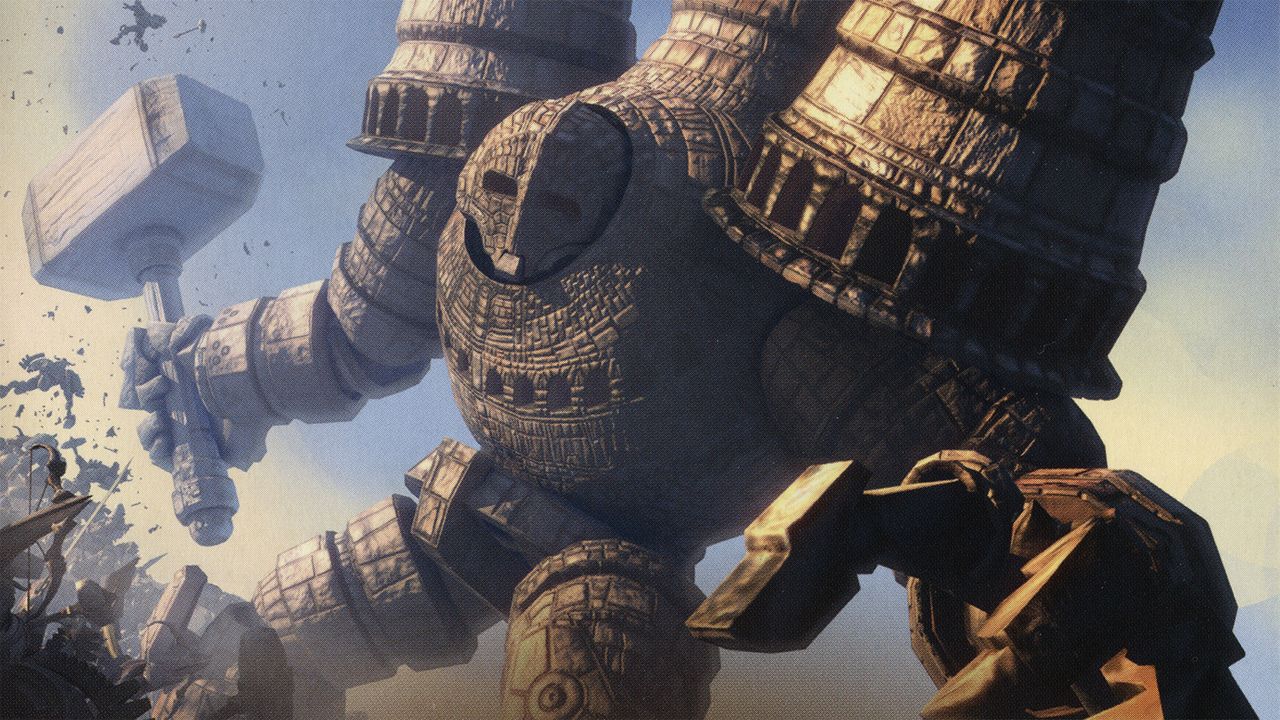
The "demigod-as-base" mechanic is best represented by the Rook, perhaps the most iconic character in the game. An anthropomorphic castle imbued with a sense of melancholy reminiscent of Shadow of the Colossus, the Rook is visually stunning. He is also the easiest character to pilot in a game that notably lacks a tutorial or hint system.
As you level up, your Rook transforms into a walking fortress. By the end of a single skirmish, it isn't uncommon to see his left shoulder bristling with archers, his right shoulder functioning as a Tesla coil, and a central tower housing a massive trebuchet.
Diverse classes and distinct playstyles
While some characters are immediately intuitive, others require time to appreciate. You might initially dismiss Regulus, an angelic sniper, as being too weak for combat. However, once you invest in his skills and items, he becomes a master of area denial, protecting control points with mines and picking off fleeing enemies from afar.
The demigods are divided into two primary classes:
- Assassins: Characters like the Rook and Regulus who do most of their own fighting.
- Generals: Units that rely heavily on summoned minions to overwhelm opponents.
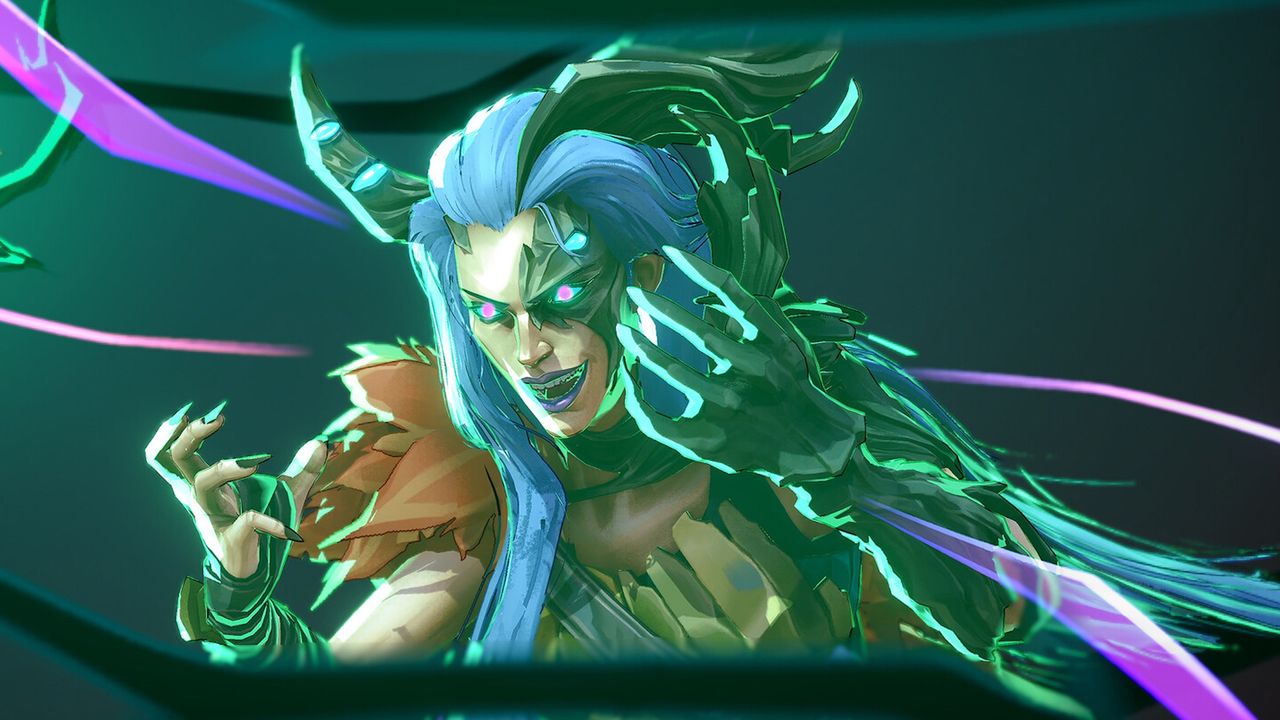
The Untamed Beast, a lizard-tailed creature capable of spreading plague, and the Torch Bearer, who can burst into flames to deal massive magic damage, showcase the game's "high-concept" character design. On the other side, Generals like Oak allow you to reap souls, while others like Sedna summon yetis to fight by your side.
The chaos of divine warfare
Playing as a General brings the experience closer to a traditional RTS, where swarming enemies with minions can be incredibly satisfying. However, this can also lead to moments of total visual confusion when the screen is filled with spells and summons.
Ultimately, Demigod succeeds because of its distinct character attributes. Whether you are playing as the vampiric Lord Erebus turning into a mist or the Queen of Thorns floating atop a plant carried by beetles, the game offers a silly, extreme, and highly engaging combat experience that feels like a living comic book.