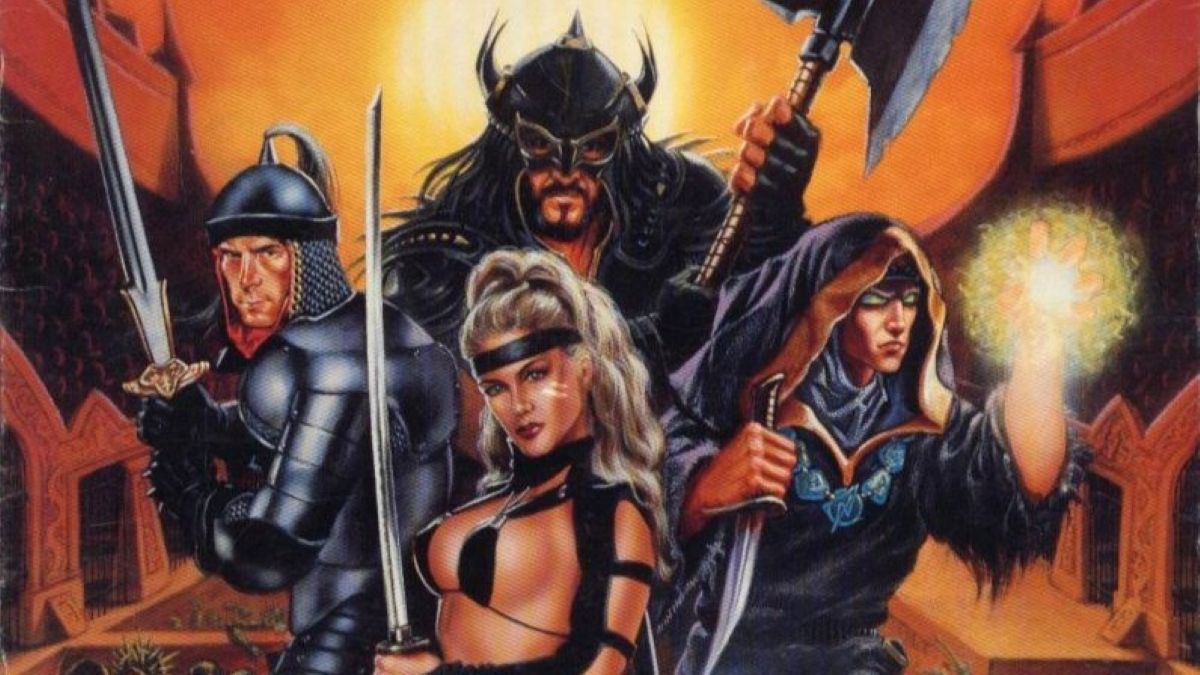
The release of The Elder Scrolls Arena in 1994 marked the beginning of a franchise that would eventually become Bethesda Softworks' "golden goose." While the series has since evolved into a massive industry powerhouse, the early days were defined by a much smaller team where every developer had to be a jack-of-all-trades.
The Hands-On Era of Elder Scrolls Arena
In the pre-digital distribution era, physical media was king. Because Bethesda acted as both the developer and the publisher for Arena, the staff couldn't just code the game and walk away; they had to handle the literal heavy lifting of manufacturing and shipping.
Vijay Lakshman, the lead designer of Elder Scrolls Arena, recalled the intense, all-encompassing nature of the studio in a 2014 interview with GamesTM. He noted that the team was composed of hardworking developers who were intimately familiar with every aspect of the project.
"No-one wore only one hat, and we were all familiar with what everyone did," Lakshman said. This hands-on approach extended far beyond software design:
- Assembling cardboard game boxes
- Organizing manual inserts
- Operating heat guns for shrink-wrapping
- Working directly in the loading docks
"We even spent time shrink-wrapping the games ourselves," Lakshman added. "Talk about seeing a product through from concept to box wrap! We did it all."
From Tournament Action to Cult Classic
The development of Elder Scrolls Arena was not without its identity crises. Originally envisioned as an action game centered around a tournament, the project's scope shifted significantly during production.
Writer and designer Ted Peterson noted that the focus eventually moved away from combat tournaments toward traditional RPG elements like quests and dungeon-delving. This shift led to a rocky launch. Missing a critical Christmas deadline meant the game was released in March—a period traditionally considered "disastrous" for small publishers.
Furthermore, distributors were initially disappointed to find that the game wasn't the pure arena combat title they had expected. This resulted in an initial shipment of only about 3,000 units.
Surviving the Brink of Bankruptcy
The low initial sales put Bethesda in a precarious position. "We were sure we had screwed the company and we'd go out of business," Peterson admitted. However, word-of-mouth eventually turned the game into a "cult hit." By 1996, industry estimates placed total sales at approximately 120,000 copies leading up to the release of Daggerfall.
Looking back on the legacy of the first Elder Scrolls title, Lakshman expressed immense pride in how much the team achieved with limited resources. He noted his awe at how the franchise's technology and complex storylines have grown, stating that he "takes his hat off" to the modern Bethesda team for turning a small experiment into a global phenomenon.