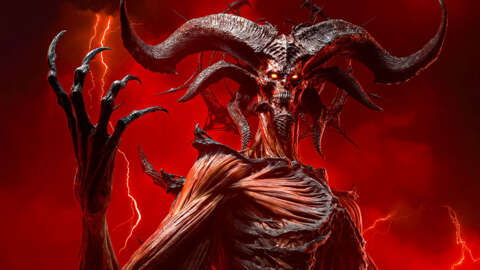
Red lightning fractures the darkened skies of Sanctuary as the weight of Mephisto’s influence descends upon the landscape. The air grows thick with a palpable sense of dread, signaling the arrival of a massive new chapter for the franchise. Diablo 4: Lord of Hatred arrives not merely as a content update, but as a heavy-hitting continuation of the Mephisto saga, attempting to solidify the foundation laid by previous seasons with much higher stakes.
A Narrative Peak with Pacing Hurdles
The campaign within this expansion serves as a high-water mark for the franchise’s storytelling capabilities. It manages to amplify the core strengths of the base game's atmosphere, delivering an emotionally charged narrative that feels deeply integrated into the established lore. The conclusion of the Mephisto saga provides a sense of closure that is often missing from modern live-service expansions, offering a finale that is as breathtaking as it is devastating.
However, the journey toward this climax is not without its friction. While the final act is undeniably triumphant, certain segments in the middle of the campaign suffer from noticeable pacing issues. There are stretches where the momentum of the story falters, momentarily losing the tension established in the opening hours. These lulls prevent the expansion from achieving a state of perfect narrative flow, though they do little to diminish the overall impact of the resolution.
New Classes and Buildcrafting in Diablo 4: Lord of Hatred
The introduction of two new classes brings a much-needed infusion of energy to the battlefield. These additions are not merely cosmetic variations of existing archetypes; they represent fundamental shifts in how players interact with the game's combat loop. Each class feels distinct, offering unique movement profiles and skill sets that demand a complete rethink of established meta-strategies.
This influx of new character options has necessitated significant changes to buildcrafting. The expansion introduces more compelling ways to layer skills and gear effects, encouraging experimentation that goes beyond simple stat-stacking. This deeper level of complexity makes the process of character optimization feel much more rewarding. For players who have spent months mastering a single archetype, the mechanical depth in Diablo 4: Lord of Hatred provides a fresh incentive to dive back into the grind.
Refined Systems and Endgame Accessibility
Beyond the immediate thrill of new combat, the expansion places a heavy emphasis on the long-term health of the game's ecosystem. It introduces several critical quality-of-life improvements designed to reduce friction during the endgame loop. These changes target the repetitive frustrations that often plague the ARPG genre, specifically focusing on how players interact with their inventory and progress through difficulty tiers.
Key technical and mechanical refinements include:
- Enhanced endgame accessibility, making it easier for players to engage with high-tier content without sudden difficulty spikes.
- Streamlined loot management systems that reduce the cognitive load of sorting through massive quantities of gear.
- Improved clarity in skill interactions, ensuring complex builds are more legible during intense combat encounters.
- Refined progression milestones that provide clearer goals for both casual and hardcore players.
The Verdict in Progress
As it stands in this review-in-progress stage, the core experience is undeniably more robust than the base game. While certain structural hiccups in the mid-campaign pacing remain to be fully evaluated, the combination of an emotionally resonant story and a deeper combat system suggests that Blizzard is successfully steering the franchise toward a sustainable future.
As the full scope of the endgame loop becomes clearer, the potential for Diablo 4: Lord of Hatred to redefine the standard for seasonal ARPG content remains incredibly high.