Dishonored Review (2012): A Masterclass in Stealth and Storytelling
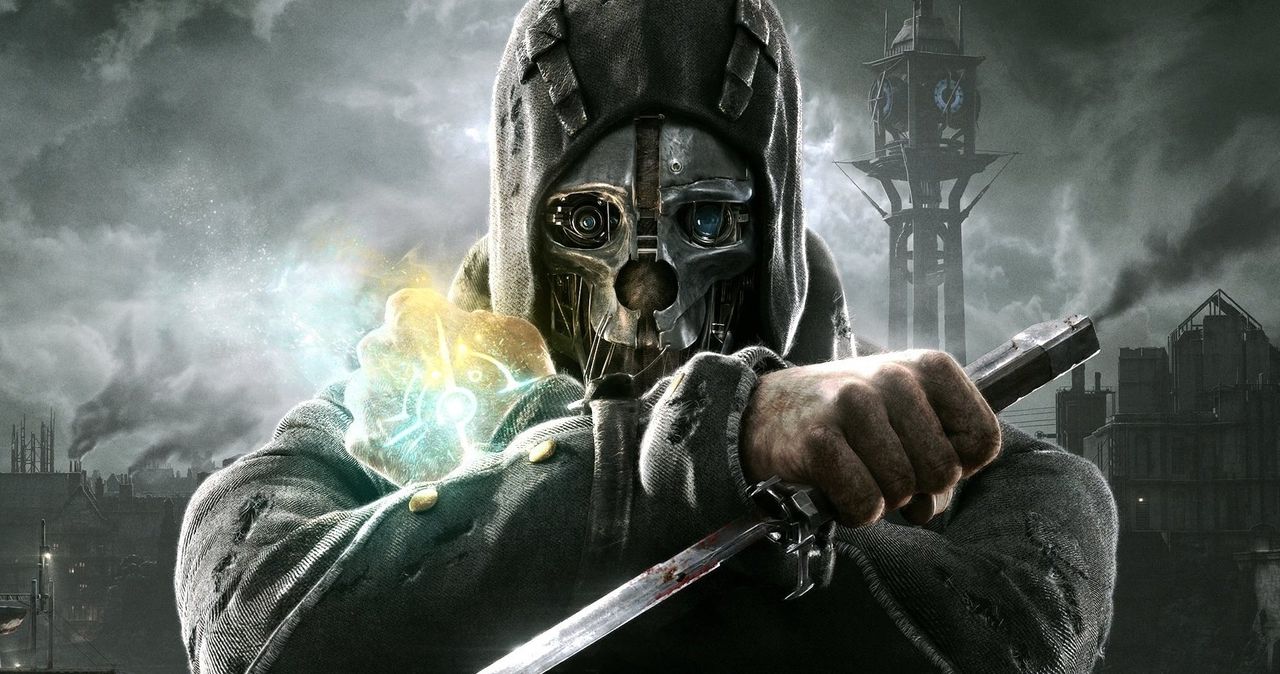
Dishonored, released in October 2012, is a game that redefined the stealth genre. Set in the steampunk-infused city of Dunwall, it offers a richly detailed world where players take on the role of an assassin, navigating a plague-ridden metropolis filled with intrigue, danger, and opportunity. The game's unique blend of stealth mechanics, magical abilities, and non-linear storytelling makes it a standout title of its era.
A World That Feels Alive
Dunwall is a city that breathes. Its architecture is a mix of Victorian aesthetics and Tesla-inspired technology, creating a setting that feels both familiar and otherworldly. The city is not just a backdrop but a character in its own right—crumbling, dangerous, and full of secrets. Players are free to explore the sprawling districts, sneaking through alleyways, scaling rooftops, or diving into hidden rooms to uncover lore, loot, and alternate story paths.
The freedom to move through the world is one of Dishonored’s greatest strengths. With the use of Blink, a short-range teleport spell, players can bypass obstacles, avoid detection, and reposition themselves with ease. This ability not only enhances stealth but also makes exploration more intuitive and rewarding. Whether you're evading guards or climbing to a high vantage point, Blink is the go-to tool for seamless movement.
Stealth, Combat, and Consequences
At its core, Dishonored is a stealth-based action game, but it doesn’t force players into a single playstyle. If stealth fails, the game offers a compelling first-person combat system that is both challenging and satisfying. The swordfighting mechanics are particularly well-designed, allowing players to block, counter, and execute enemies with precision. While this style of play can be risky, it adds a layer of tension and excitement to the experience.
The game also introduces magical powers that further expand the player’s options. From teleportation to corruption and plague effects, these abilities allow for creative approaches to each mission. The flexibility in how players complete objectives is a key feature—whether you choose to kill your targets, avoid them entirely, or use emergent solutions like setting traps or manipulating the environment, the game rewards ingenuity.
A Thoughtful Narrative
Dishonored's story is told through environmental storytelling, side quests, and hidden notes scattered throughout the city. These elements provide context, character development, and moral choices that impact the game world. For example, one mission involves preventing a poisoning, a decision that adds depth to the narrative and gives players a sense of agency.
The game also features randomized elements, such as the location and identity of targets, which means no two playthroughs are the same. This encourages repeated exploration and discovery, keeping the experience fresh and engaging.
Conclusion: A Timeless Classic
Dishonored is more than just a stealth game—it’s a masterful blend of storytelling, mechanics, and world design. Its immersive setting, flexible gameplay, and deep narrative make it a standout title that still holds up today. Whether you're a fan of stealth, action, or open-world exploration, Dishonored offers a unique and unforgettable experience.