Why the Dreamie alarm clock challenges phone use in bed
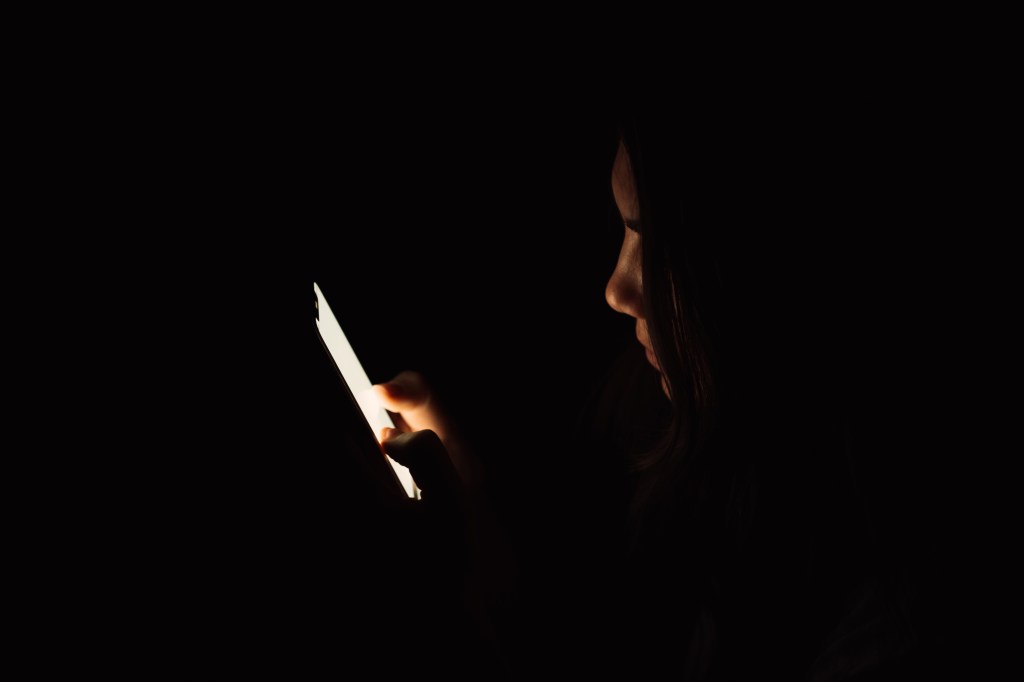
Millions of adults keep their phones within reach during sleep, despite evidence that it disrupts rest. The phenomenon is not unique to one device; it reflects a deeper cultural habit where screens remain active in bedrooms. Dreamie alarm clock’s podcast‑first design offers an alternative.
Sleep loss from nighttime screen exposure can impair cognition, mood, and immune function. A 2023 study linked prolonged phone use in bed to a 17% higher risk of chronic insomnia. The data suggests the issue is not just personal habit but industry‑wide design that encourages constant connectivity. This Dreamie alarm clock eliminates the need for a phone, and its $250 price point, while steep compared with traditional models, avoids subscription fees and companion apps.
Podcast playback: a silent wake-up alternative
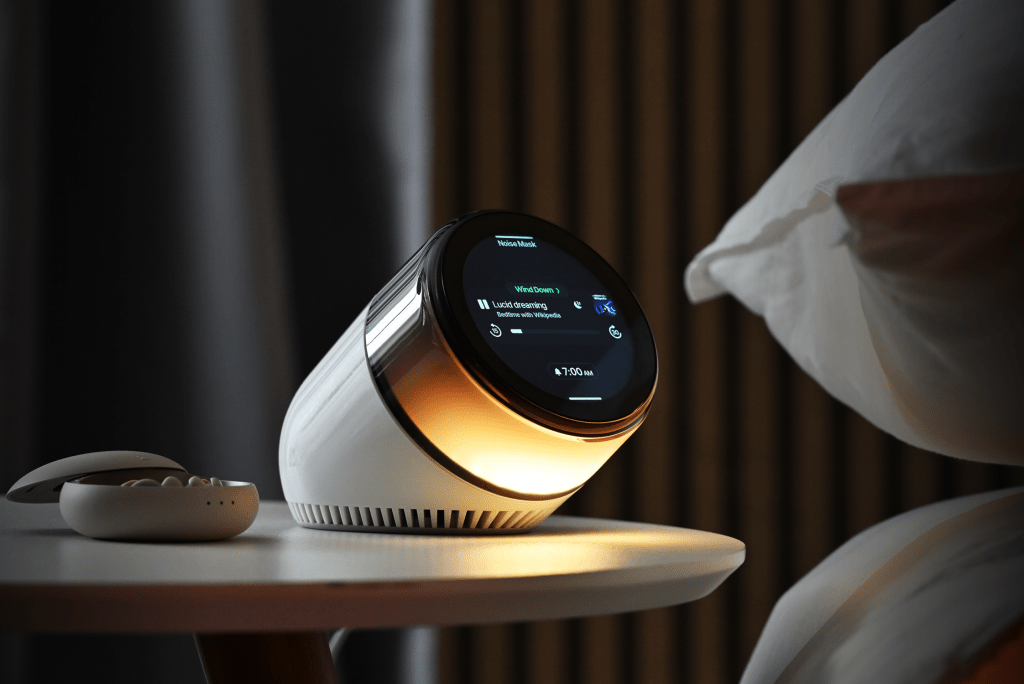
The Dreamie alarm clock relies on its core feature: podcast playback, allowing users to dive into audio content without ever touching a screen. When you wake mid‑night, the back‑to‑sleep option can play any recorded sound or media, creating a silent sanctuary that avoids phone alerts.
- Podcasts replace silent alarms
- No notifications interrupt sleep
The device’s manual wind‑down lighting signals bedtime, reinforcing the shift away from screens.
The cost of silence: price vs. subscription‑free design
Price stands at $250, higher than typical alarm clocks but eliminates subscription fees. The tool proves that a modest hardware upgrade can break the phone‑in‑bed cycle, yet its high cost may limit adoption. True test is whether manufacturers will embed similar silent wake‑up options in mass‑produced sleep aids.