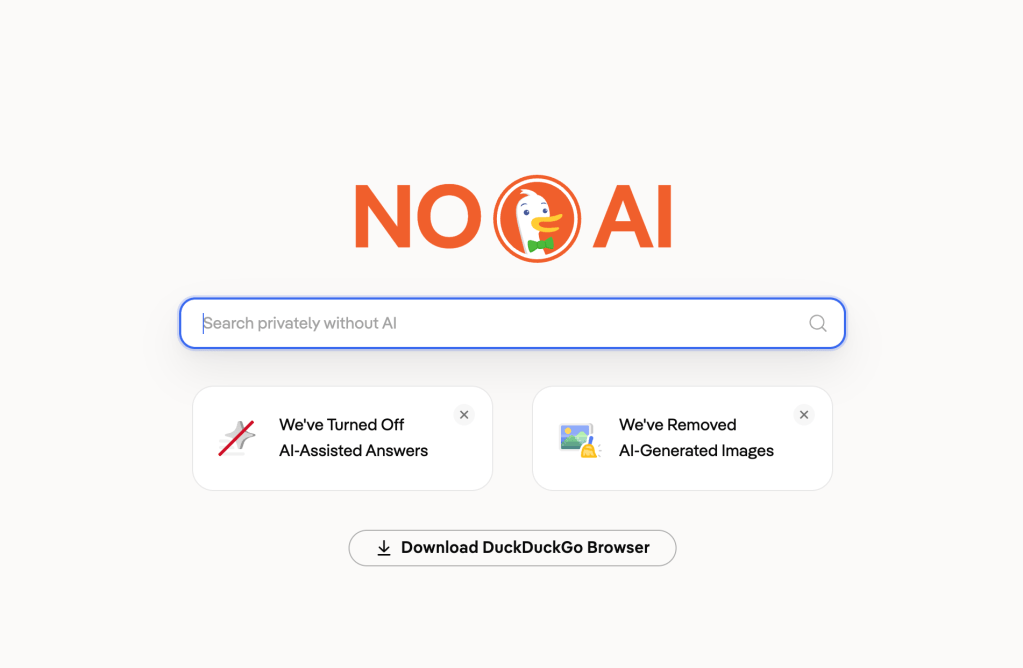
DuckDuckGo installs jump 30% as users reject Google’s AI‑Search
After Google unveiled its AI‑powered search interface at the 2026 I/O keynote, the privacy‑first search engine DuckDuckGo saw a 30 % increase in mobile app installs. The spike comes amid a global backlash against Google’s new design, which replaces traditional links with generative AI agents that synthesize answers in real time. Users have responded by turning to alternatives that keep data under tighter control.
Google’s AI‑Search Overhaul Sparks Controversy
Google’s redesign removed the clear separation between curated URLs and AI‑generated responses, leading to complaints that the new interface blurred fact from speculation. Within days, online forums and social media erupted with threads titled “Google is force‑feeding AI,” signalling a growing distrust of an ecosystem that seems to push AI content without a straightforward opt‑out.
App‑store analytics revealed that DuckDuckGo’s mobile app downloads surged in the week following the announcement. While overall search‑related app downloads grew only about 6 % during the same period, DuckDuckGo’s growth eclipsed the industry average, translating anti‑Google sentiment into concrete gains.
DuckDuckGo’s Privacy‑First Edge
DuckDuckGo has long positioned itself around three core principles:
- No tracking – queries are processed without retaining personal identifiers.
- Transparent results – organic links and AI suggestions appear in clearly labeled sections.
- User control – the AI assistant can be toggled on or off, and a “privacy mode” removes third‑party analytics.
When Google rolled out its AI‑Search, DuckDuckGo highlighted the contrast, accusing the tech giant of “forcing users into an AI‑centric experience without a clear opt‑out path.” The message resonated with an audience already frustrated by data‑mining practices, boosting brand visibility.
DuckDuckGo’s technology actually predated Google’s AI agents. In 2024, the search engine integrated machine‑learning models into its results bars, providing contextual snippets while preserving the underlying link structure. This demonstrated that AI could enhance search without compromising user agency.
Market Trends: Privacy Apps on the Rise
The install surge is part of a wider movement toward privacy‑centric applications across multiple categories:
- Messaging – encrypted platforms such as Signal and Wire see higher downloads in markets with stricter data‑protection laws.
- Browsers – privacy‑focused browsers like Brave and Tor experience growth spikes after high‑profile data‑breach incidents.
- Search engines – alternatives such as Ecosia and Qwant report measurable gains in new user acquisition.
These shifts indicate consumers are willing to sacrifice some convenience for tighter control over their digital footprints. Industries that rely on ad‑based revenue models may need to rethink monetization, possibly moving toward subscription or donation‑based models.
Implications for AI‑Driven Search
DuckDuckGo’s success shows that an AI‑augmented interface can coexist with privacy guarantees. If major platforms adopt similar models, the competitive landscape could fragment, forcing incumbents to innovate beyond pure data‑collection tactics. For Google, the challenge lies in balancing the allure of generative AI with transparent user controls; for DuckDuckGo, the opportunity is to scale these principles while keeping AI as an augment, not a replacement, for human judgment.
Looking Ahead
If current trends persist, privacy‑first search engines may continue to erode Google’s dominance in niche domains, reshaping online search economics. The coming months will reveal whether Google introduces opt‑out features, clearer AI result labeling, or new privacy certifications. In an era where data is currency, offering a trustworthy, user‑centric experience may define the next wave of search innovation.