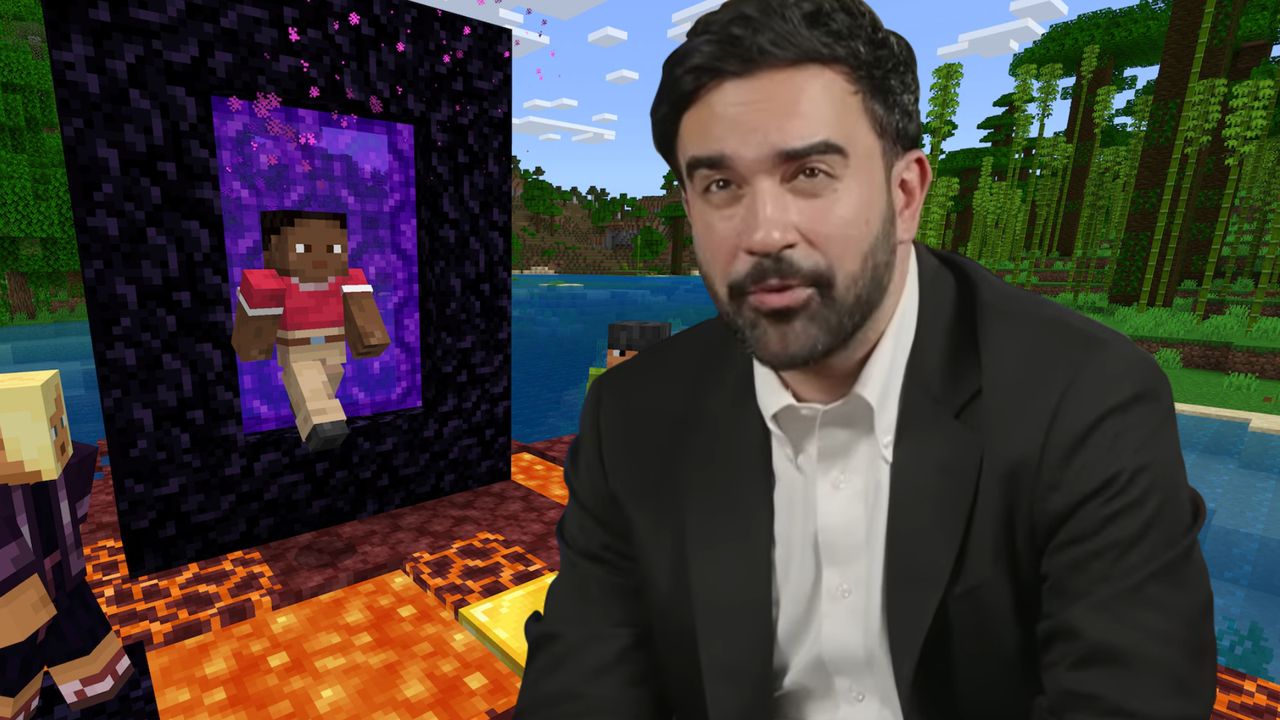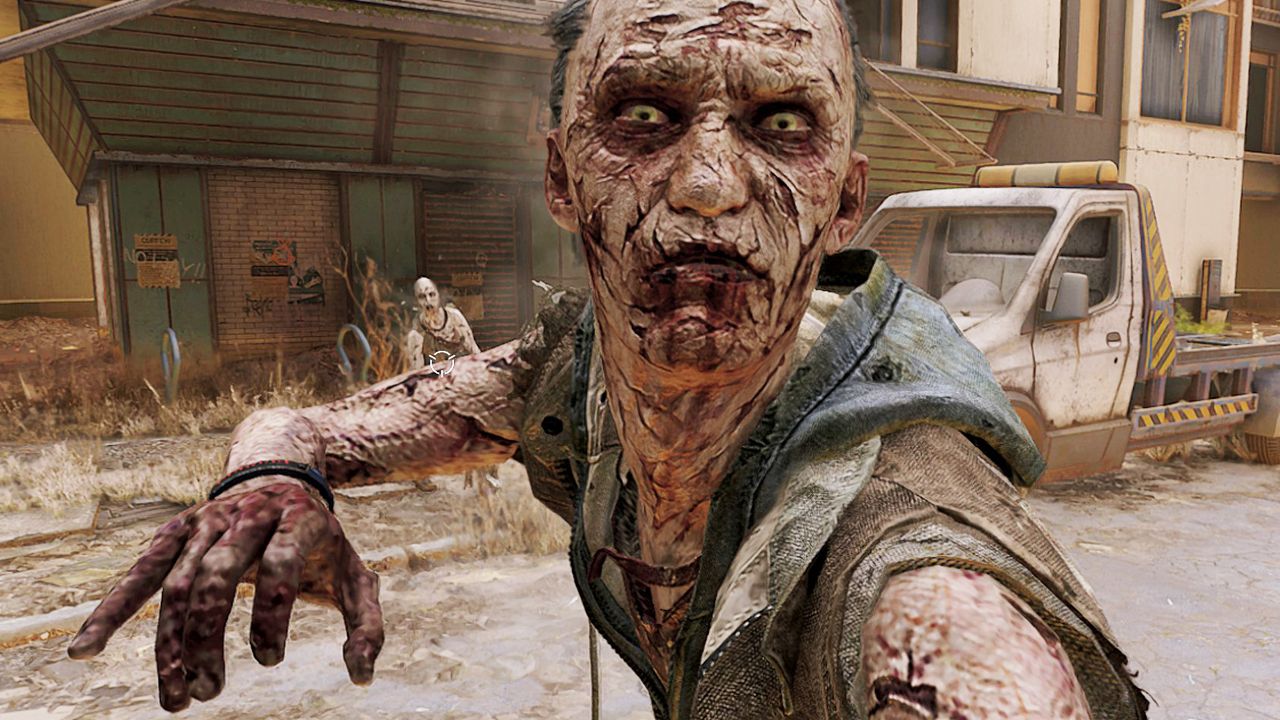
Tymon Smektała, who served as the director for the iconic zombie parkour franchise Dying Light for over a decade, has offered a profound perspective on the relationship between creators and their community. After stepping away from his directorial role earlier this month, Smektała reflected on the responsibilities that come with releasing a live service or enduring single-player experience, emphasizing that developer obligation to the player base is paramount.
Speaking at the Digital Dragons Conference, Smektała articulated a shift in mindset that occurs the moment a project launches. He argues that once a game is released, it ceases to be solely the creator’s domain.
"I believe very strongly that this makes it your obligation to focus and listen to the players," Smektała stated. "As soon as you release the game, it stops being only your game. Suddenly, there are hundreds, thousands, hopefully millions of 'stakeholders,' players with opinions, expectations, memories, frustrations, theories, ideas, requests."
The Shift from Product to Community
Smektała’s comments highlight a critical evolution in the gaming industry: the transition from selling a static product to nurturing an active community. He notes that the game begins to belong not just to the makers, but to the people playing it.
This perspective aligns with the modern reality where word of mouth, streamer influence, and community backing are often more decisive for a title’s success than traditional marketing. While Steam player counts are not the ultimate metric of quality, the recent surge in visibility for titles like Arc Raiders demonstrates how community momentum can propel a game forward.
"We are not just selling products to customers, we are building a leading relationship with our community," Smektała added.
Listening vs. Obeying
However, Smektała is quick to clarify that listening to players does not equate to blind obedience. A common misconception among developers is that they must implement every suggestion made by the loudest voices in the community. Smektała warns against this, noting that players are not always right about the solution.
While players may misdiagnose technical or design issues, they are often accurate regarding the emotional impact of a game. Smektała advises developers to distinguish between what players want and how they feel about the experience:
- Players are often wrong about specific mechanical fixes or design solutions.
- Players are always right about the feelings those mechanics evoke.
- Key indicators to watch for include excitement, fear, or a sense of specialness.
"If something excites them, scares them, or makes them feel somehow special—you should pay attention," he advises.
The Paradox of Player Feedback
This guidance resolves a tension that many developers face: how to balance creative vision with community feedback. Smektała’s approach suggests that complaints are rarely just about frustration; they are often expressions of passion. Players who are vocal about negative aspects of a game are frequently those who care deeply about its potential.
When a player expresses dislike for a narrative direction or a gameplay mechanic, it is often because they love the franchise enough to want it to reach its highest potential. This paradox of feedback means that harsh criticism can be a sign of engagement rather than disinterest.
Balancing Vision and Voice
Ultimately, Smektała’s experience with Dying Light over 13 years underscores the complexity of modern game development. While community input is invaluable for understanding the emotional resonance of a game, developers must retain the authority to make difficult design choices.
The most successful games are those where developers listen to the feelings of their players but filter those insights through their own creative vision. By focusing on the emotional core of the experience rather than the literal requests of the loudest voices, creators can build relationships that endure long after the initial launch.