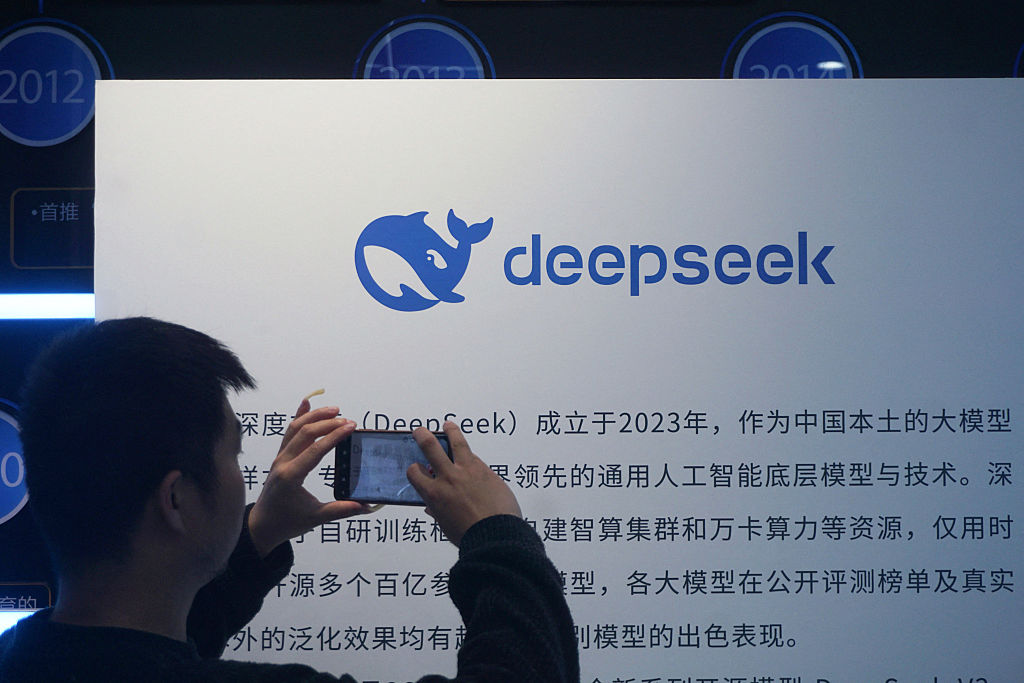
The rapid ascent of DeepSeek highlights a fascinating paradox in modern artificial intelligence: massive valuation spikes can be driven as much by capital strategy and geopolitical necessity as by technical breakthroughs. Recent estimates suggest DeepSeek could hit $45B valuation from its first investment round, jumping from a modest $20B valuation in just a matter of weeks.
The Multiplier Effect of First-Round Capital
DeepSeek’s surge reflects a growing trend in the AI market, where early-stage funding acts as a massive multiplier for companies prioritizing speed and talent retention. Founded by Liang Wenfeng, the lab has built its reputation on extreme efficiency, training models with significantly lower compute costs than their U.S. competitors.
However, scaling efficiently requires more than just smart algorithms; it requires protecting human capital. To combat the intense global competition for key engineers, DeepSeek utilized its initial funding to offer equity to employees through institutional backing. This strategic move ensures that the lab can retain the specialized talent necessary to maintain its competitive edge.
Several critical factors are driving this massive DeepSeek valuation jump:
- Strategic State Backing: The involvement of the China Integrated Circuit Industry Investment Fund signals a national mission to reduce reliance on foreign semiconductors, aligning DeepSK with broader industrial policy goals.
- Ecosystem Synergy: Potential partnerships with chipmaker Huawei and major players like Tencent or Alibaba create a vertically integrated advantage essential for AI sovereignty.
- Open-Source Leverage: By maintaining open weights on platforms like Hugging Face, DeepSeek accelerates global adoption and builds community goodwill, providing an alternative to closed-off proprietary models.
Geopolitical Drivers and Market Implications
The potential for DeepSeek to hit a $45B valuation underscores a fundamental shift in the tech landscape: AI is no longer just a software race, but a battleground for economic sovereignty. China’s unique approach—blending state capital with private-sector innovation—presents a sharp contrast to U.S. venture dynamics, where regulatory scrutiny and talent mobility often complicate long-term positioning.
For DeepSeek, securing massive funds early allows the lab to address the "brain drain" challenge by locking in top-tier researchers through equity stakes. This strategy proves to investors that efficiency—rather than just raw scale—is becoming the true currency of AI dominance. A model that delivers high performance in reasoning and coding at a fraction of the traditional cost could disrupt global markets faster than resource-heavy competitors.
The Future of AI Valuation Models
The $45B milestone represents more than just a financial metric; it marks a turning point in how emerging markets leverage capital and policy to compete globally. As DeepSeek navigates the complexities of regulatory scrutiny and talent competition, its success will depend on balancing state alignment with technical autonomy.
This episode serves as a warning to the broader industry: first-mover advantage in AI now depends on agile funding models just as much as algorithmic innovation. While the coming months will determine if this surge is a sustainable trend or a short-term bubble, one thing is certain—DeepSeek’s strategy has already redefined the benchmarks for success in the era of efficient AI development.