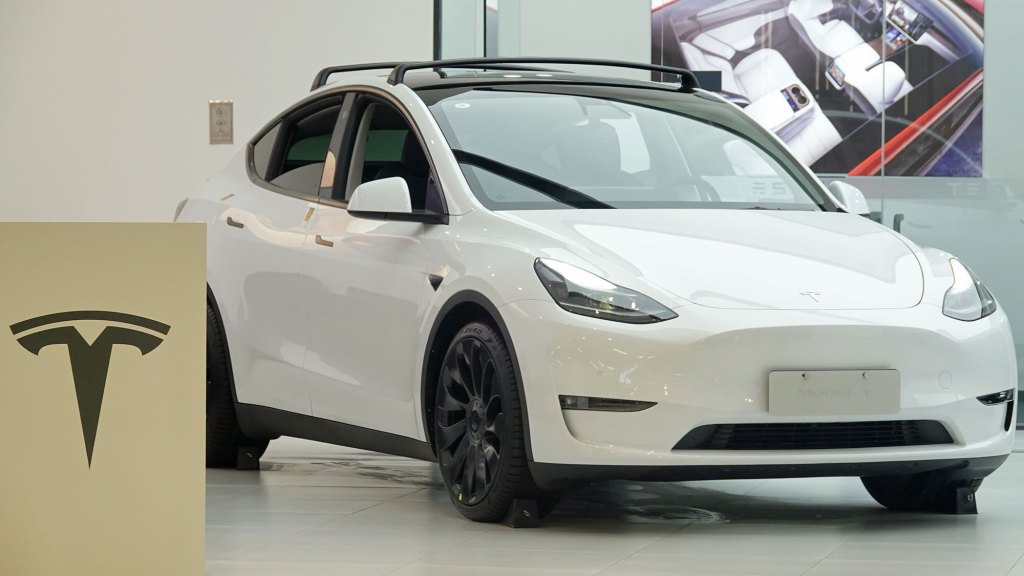
Tesla’s pursuit of unsupervised Full Self-Driving (FSD) has hit a massive, hardware-bound roadblock that threatens years of consumer expectations. During a recent quarterly earnings call, Elon Musk confirmed that millions of existing Tesla owners need upgrades to their Hardware 3 systems to support the next generation of autonomous software. This admission marks a stark departure from previous marketing that suggested autonomy was merely a matter of over-the-air software refinements.
Why Millions of Tesla Owners Need Upgrades
The core issue lies in the processing power and sensor capabilities of the current architecture. While Tesla has long touted its ability to improve performance through code alone, Musk conceded that the existing Hardware 3 computer and camera suite lacks the fundamental capability to achieve true, unsupervised driving. To bridge this gap, Tesla must physically replace critical components in a massive fleet of vehicles sold primarily between 2019 and 2023.
This transition is more than a simple patch; it is a structural overhaul involving several intensive technical changes:
- Replacement of the central FSD computer unit to provide higher computational throughput.
- Installation of upgraded, higher-resolution camera sensors to improve environmental perception.
- A massive logistical deployment of specialized labor to manage the retrofit process.
Solving the Logistics Bottleneck with Micro-Factories
The scale of this undertaking is unprecedented for an automotive manufacturer. Musk noted that relying solely on traditional service centers would create a bottleneck severe enough to paralyze Tesla's maintenance operations. To mitigate this, the company is exploring the construction of micro-factories located within major metropolitan areas.
These specialized production lines would function similarly to assembly plants but would be dedicated specifically to executing these hardware retrofits at scale. This shift ensures that the massive number of Tesla owners need upgrades can be serviced without overwhelming existing infrastructure.
Contradictions in Corporate Messaging
This admission also highlights a growing discrepancy between Tesla's executive communications. Only six months ago, in October 2025, Chief Financial Officer Vaibhav Taneja suggested that the company had not yet abandoned the possibility of making FSD work on older hardware. Musk’s latest stance effectively nullifies those optimistic projections, exposing a significant gap between corporate messaging and engineering reality.
Potential Legal Liabilities and Consumer Trust
For many Tesla owners, this news represents a potential breach of trust. A substantial segment of the customer base purchased the Full Self-Driving package under the impression that their vehicles were "one update away" from full autonomy.
The realization that their hardware is fundamentally obsolete could trigger massive class-action litigation. Plaintiffs may argue they were sold a product based on deceptive promises regarding future hardware compatibility.
A High-Stakes Pivot for Tesla
The pivot toward a hardware-intensive upgrade cycle represents a significant shift in Tesla's operational model. For years, the company has operated with the lean efficiency of a software firm, relying on the scalability of over-the-air (OTA) updates to increase vehicle value without physical intervention.
Transitioning into a large-scale retrofit operation requires a level of logistical precision and capital expenditure that the company has not previously faced. The success of this rollout will determine whether Tesla can maintain its lead in the autonomous driving race. If the micro-factory strategy fails, the dream of a ubiquitous robotaxi fleet may remain tethered to hardware that has already reached its limit.