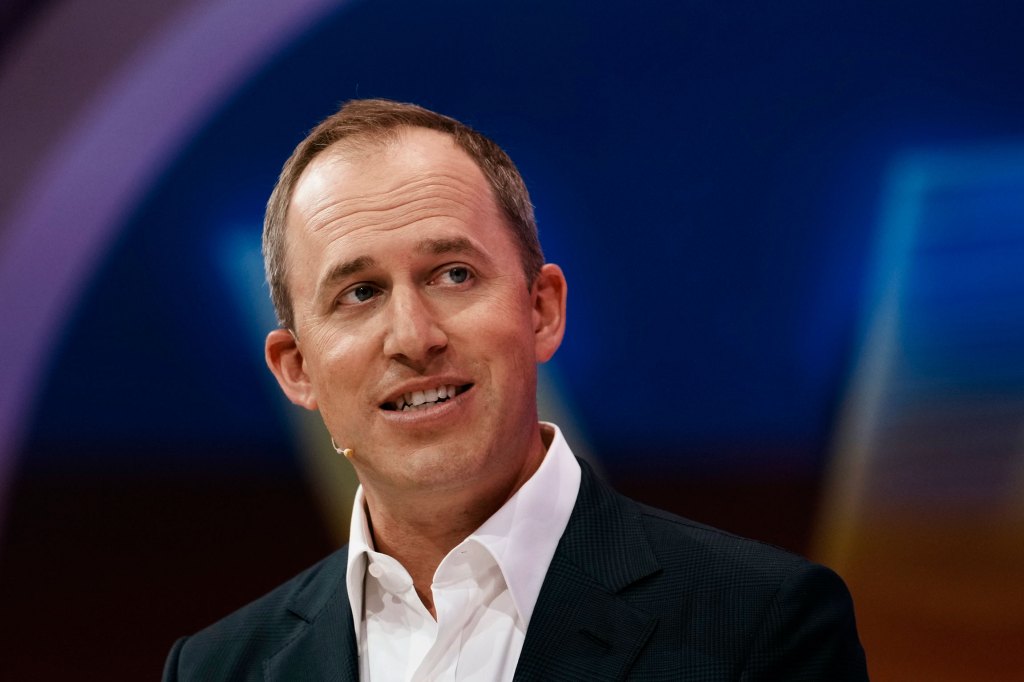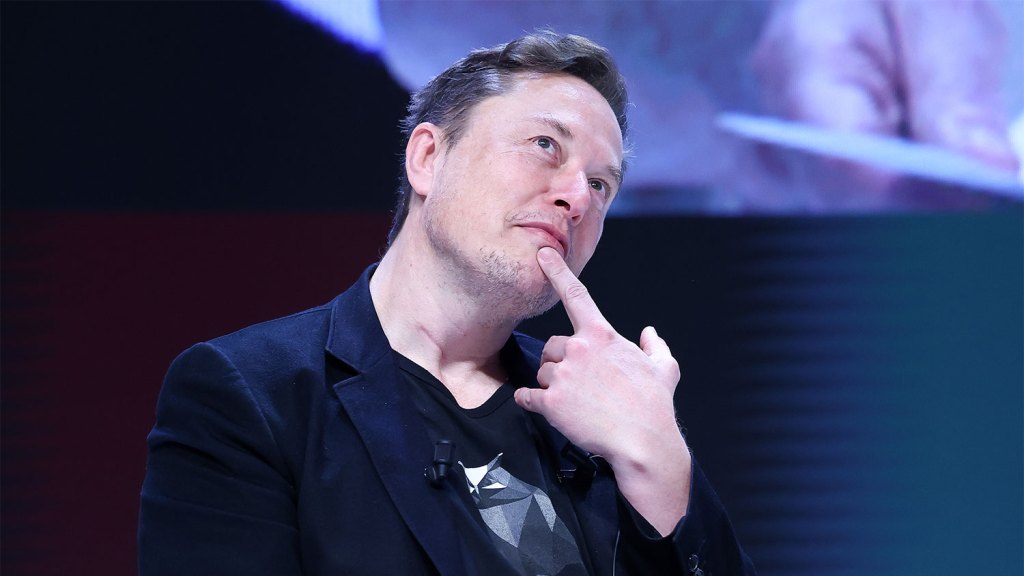
Recent legal filings submitted by OpenAI’s counsel suggest that the ongoing litigation involves much more than disputes over corporate governance and technological accessibility. According to new documents presented by the company's lawyers, a text exchange occurred just two days before the commencement of the trial, in which Elon Musk allegedly issued a targeted threat toward OpenAI leadership. The filing alleges that during discussions regarding a potential settlement, Musk sent messages to President and co-founder Greg Brockman that moved beyond legal negotiation into the territory of personal intimidation.
Allegations of Intimidation and the Settlement Attempt
The crux of the controversy lies in a specific exchange between Musk and Brockman. According to the filings, Musk initially reached out to suggest that OpenAI settle the current lawsuit. When Brockman responded by proposing a mutual dismissal of all pending legal actions between the parties, the tone of the conversation allegedly shifted dramatically.
OpenAI claims that Musk responded with a chilling ultimatum: "By the end of this week, you and Sam will be the most hated men in America. If you insist, so it will be." This statement, if verified, suggests a level of personal animus that complicates the narrative of a purely principled battle over Artificial General Intelligence (AGI) safety.
While OpenAI’s legal team introduced these messages to illustrate a pattern of behavior, the court has not yet permitted them to serve as formal evidence. The presiding judge recently ruled the exchange inadmissible, a decision that prevents the text messages from being used to directly influence the jury's perception of Musk’s motives. However, the mere existence of such an allegation in a public filing has already significantly altered the discourse surrounding the trial.
The Scope of Musk's Legal Demands
To understand why such aggressive rhetoric might be present, one must look at the sheer scale of the relief sought by the plaintiff. The lawsuit filed by Musk is not merely seeking financial compensation; it is an attempt to fundamentally restructure the most influential company in the modern tech landscape. The legal objectives are extensive and would effectively dismantle the current operational model that has allowed OpenAI to dominate the market.
The primary components of the litigation include:
- A mandate to revert OpenAI to its original non-profit mission, stripping away the commercial incentives driving current development.
- The termination of Microsoft's multi-billion dollar licensing agreement and access to OpenAI’s core technology.
- A requirement that all developed technology be made available to the public as an open-source resource.
- The assessment of massive punitive damages, alongside compensatory damages and the coverage of all legal fees.
By targeting the very foundation of OpenAI's revenue stream, Musk is essentially attempting to kneecap a rising competitor under the guise of protecting the public interest. This has led many industry observers to question whether the litigation is a genuine crusade for safety or a strategic maneuver to devalue a rival while seeking financial retribution.
A Proxy War for AI Dominance
The broader implications of this trial extend far beyond the individuals involved. As the legal battle unfolds, it highlights the escalating tension in the global AI arms race. The industry is currently caught between two conflicting philosophies: the rapid, commercialized deployment of powerful models and the cautious, regulated approach championed by safety advocates.
The presence of expert witnesses who fear an uncontrolled AGI race underscores the high stakes involved. If Musk succeeds in forcing a return to an open-source model, it could democratize AI development but might also strip away the safeguards that large-scale corporations like OpenAI and Microsoft are currently implementing. Conversely, if the court views Musk’s actions as purely predatory, it may set a precedent that protects corporate proprietary interests against even the most well-funded legal challenges.
The trial continues to serve as a bellwether for the future of tech regulation. Whether the courtroom focuses on the text messages or the technical merits of the non-profit mandate, the verdict will ultimately dictate how much power a single founder can exert over the trajectory of human intelligence.