The Day Emilia Clarke Felt She Was 'Meant to Die' During a Live MTV Interview
Emilia Clarke, the Game of Thrones star who brought Daenerys Targaryen to life, has opened up about the terrifying moments she feared she had "cheated death" following her battles with brain aneurysms. In a raw and revealing discussion on the How to Fail with Elizabeth Day podcast, Clarke recounted the psychological toll of her medical crises and the specific moment she believed her life was ending on live television.
Clarke suffered her first brain aneurysm in 2011 and a second, more severe hemorrhage in 2013, both occurring during the early seasons of Game of Thrones. While she has since become a public advocate for brain injury awareness through her charity, the Still Just Me foundation, she admits the initial aftermath was defined not by relief, but by a profound sense of impending doom.
The Emotional Aftermath of Survival
For Clarke, surviving the second hemorrhage didn't bring the celebration of life one might expect. Instead, it triggered a deep emotional shutdown. She described being unable to look people in the eye, convinced that her survival was a mistake and that she was "meant to die."
"I was just convinced that I had cheated death and I was meant to die," Clarke explained. "And that every day that was all I could think about."
This mindset created a barrier between her and the outside world. The realization that her brain—the organ responsible for her perception of self—had failed her left her feeling isolated and disconnected. "It cuts you off from being able to engage with the outside world because you're walking around knowing that your body has failed you," she said. "Your brain has failed you. This thing that you know to be where your perception of your self lies has failed you. And no one else can see it."
Fear on the Live Stage
Despite her internal turmoil, Clarke insisted on continuing her promotional duties for Game of Thrones. Six weeks after her second hemorrhage, she attended Comic-Con to promote the show. It was during this period that her fear of a third, fatal incident peaked.
While promoting the series, Clarke began experiencing headaches. For her, these weren't just physical symptoms; they were harbingers of death. "Anytime I got any kind of headache, I was like, 'That's it. It's happening. It's happening again,'" she recalled.
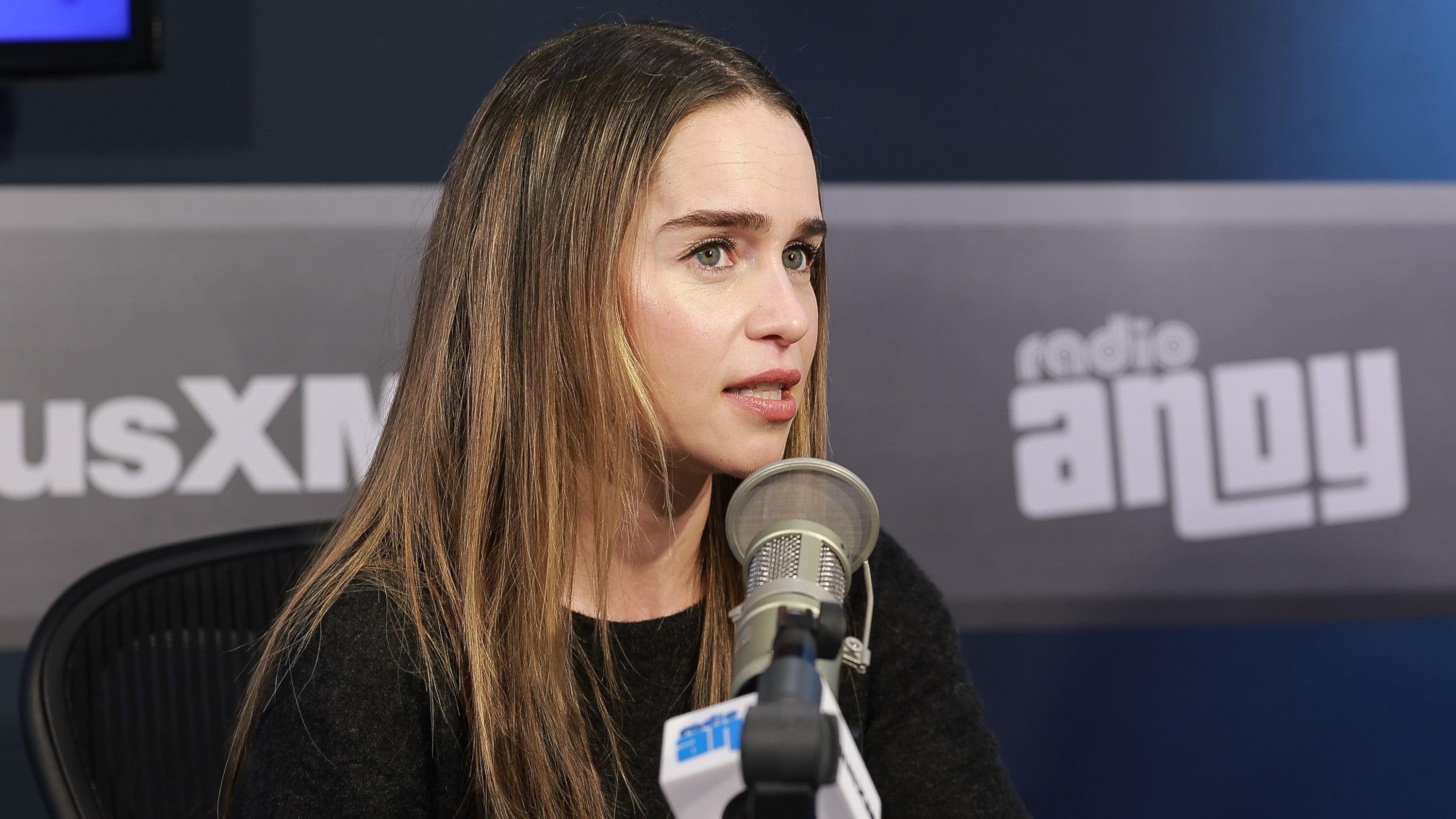
The tension peaked when her publicist suggested a live interview with MTV. Clarke’s reaction was immediate and visceral.
"I was like, 'I think I'm going to die. I think it's happening,'" Clarke shared. She viewed the potential collapse not as a medical emergency, but as a final act. "In my head, I was like, 'If I'm going to die, I'll do it on live TV. Like, let's go. There is there is no other option.'"
A Legacy of Resilience
Ultimately, Clarke did not collapse. She credited her upbringing for her ability to push through the trauma. Raised in a family that rejected self-pity, she felt she had no choice but to persevere.
"I was blessed that after each of my brain injuries in my mind there was no other option but to carry on," Clarke concluded. "I was raised by a family that did not partake in pity. Self-pity was not on the table. It's not how we operated."
This resilience has since fueled her advocacy work. Today, Clarke uses her platform to support young people recovering from brain injuries and strokes, ensuring they feel seen and understood in a way she felt she lacked during her darkest days.
Looking back at her time in Westeros, Clarke remains candid about both the physical and professional challenges. Earlier this year, she admitted to being "really pissed" at the show’s language expert, who had criticized her Dothraki pronunciation as sounding like it "sucked." Despite these past struggles, she has also indicated that her days of playing fantasy characters are likely over, stating it is "highly unlikely" she will ever be seen on a dragon or in the same frame as one again.
Clarke’s journey from fearing a fatal collapse on live TV to becoming a powerful voice for neurological health serves as a testament to her strength. Her story reminds us that survival is often accompanied by invisible battles, and that moving forward sometimes requires ignoring the voice that says you are "meant to die."