The evolution of surveillance technology over the past decade has been nothing short of transformative. We have moved from clunky, expensive systems requiring professional installation to seamless, plug-and-play devices that blend perfectly into modern living spaces. Today’s smart home ecosystem prioritizes affordability, ease of use, and intelligent features, making it possible for renters and homeowners alike to monitor their property without compromising privacy.
However, as hardware capabilities increase, so do our responsibilities. Selecting the best indoor security cameras demands careful consideration of privacy implications, data handling, and integration with your existing smart home framework.
Why Indoor Cameras are Essential for Modern Living
Indoor security cameras serve a dual purpose: they act as powerful deterrents against intruders and as vital investigative tools. They offer real-lar insights into household dynamics while protecting assets within your walls. For apartment dwellers in urban centers, these devices provide much-needed peace of mind without requiring permanent structural changes.
Key benefits of modern indoor monitoring include:
- Remote Monitoring: Check in on your home from anywhere in the world via smartphone.
- Emergency Response: Facilitate faster reactions to unexpected incidents or leaks.
- Evidence Generation: Capture valuable footage for post-incident reviews or insurance claims.
- Pet and Family Safety: Keep an eye on furry friends or elderly relatives during the day.
While these tools are invaluable, privacy remains paramount. Cameras should never capture sensitive personal moments unintentionally, necessitating thoughtful placement and transparent communication among all household members.
Top Picks for 2026: Features, Value, and Trade-offs
When searching for the best indoor security cameras, the right choice depends on your budget, technical needs, and ecosystem preference.
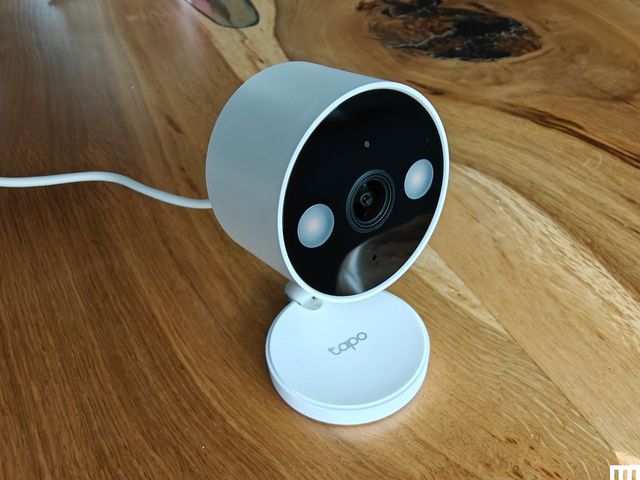
TP-Link Tapo C120
Offering an excellent balance of price and performance, the Tapog C120 remains a standout budget choice. Its magnetic base allows for versatile mounting on fridges, walls, or shelves, while two-way audio ensures clear communication with anyone in the room.
- Pros: Smart detection for people, pets, and vehicles; reliable night vision up to 20 feet; IP66 rating for limited outdoor use.
- Cons: Maximum 20 fps frame rate; lacks local storage without a subscription.
- Price Point: Approximately $40 (subject to discounts).
Arlo Essential Indoor (2nd Gen)
The Arlo Essential combines a sleek, compact design with sophisticated monitoring capabilities. It is ideal for those who want a robust system that integrates seamlessly into a larger smart home setup.
- Pros: 24 fps frame rate for clear movement; physical privacy shutter; works with Amazon Alexa and Google Assistant.
- Cons: Higher operational costs due to subscription reliance; no local SD card support for offline capture.
- Price Point: Requires a $10/month subscription for unlimited cloud storage.
Google Nest Cam Indoor (3rd Gen)
For users seeking high-end intelligence, the Nest Cam excels in discretion and advanced analytics. It features 30 fps HDR video to ensure crisp detail even in challenging lighting conditions.
- Pros: Wide-angle lenses to reduce blind spots; animated movement previews; familiar face recognition.
- Cons: Free version only provides six hours of history; lacks a physical privacy shutter.
- Price Point: Premium access is required for 30-day video history and advanced summaries.
Affordable Alternatives: Blink, Wyze, and Ulticam
If you are looking for even more budget-friendly options, several brands prioritize core functionality over premium extras:
- Blink: Offers models under $50 with basic motion detection and color night vision.
- Wyze: Delivers reliable 2K streaming at highly competitive rates.
- Ulticam: Specializes in pet-friendly alerts with robust privacy controls.
Privacy Best Practices and Installation Guidance
To ensure your indoor security cameras enhance your safety rather than compromising your privacy, follow these essential installation guidelines:
- Establish Boundaries: Always consult with all residents before installing cameras.
- Strategic Placement: Position devices to monitor entryways, hallways, or common areas. Avoid private zones like bathrooms or bedrooms unless explicitly agreed upon.
- Secure Your Network: Use strong, unique passwords and ensure all connections are encrypted.
- Audit Regularly: Periodically check for firmware updates to patch potential security vulnerabilities.
- Check Lease Agreements: For renters, always confirm that surveillance devices comply with local building policies.
The Future of Indoor Surveillance
The next phase of home security hinges on adaptive intelligence. We are moving toward cameras that understand context—distinguishing between a package being delivered and a person loitering—rather than just storing raw footage.
Expect deeper integration across ecosystems like Apple HomeKit and the Matter standard, enabling unified control without platform fragmentation. As voice-driven interaction matures, your security system will become a more intuitive part of your environment, balancing automated intelligence with human oversight.