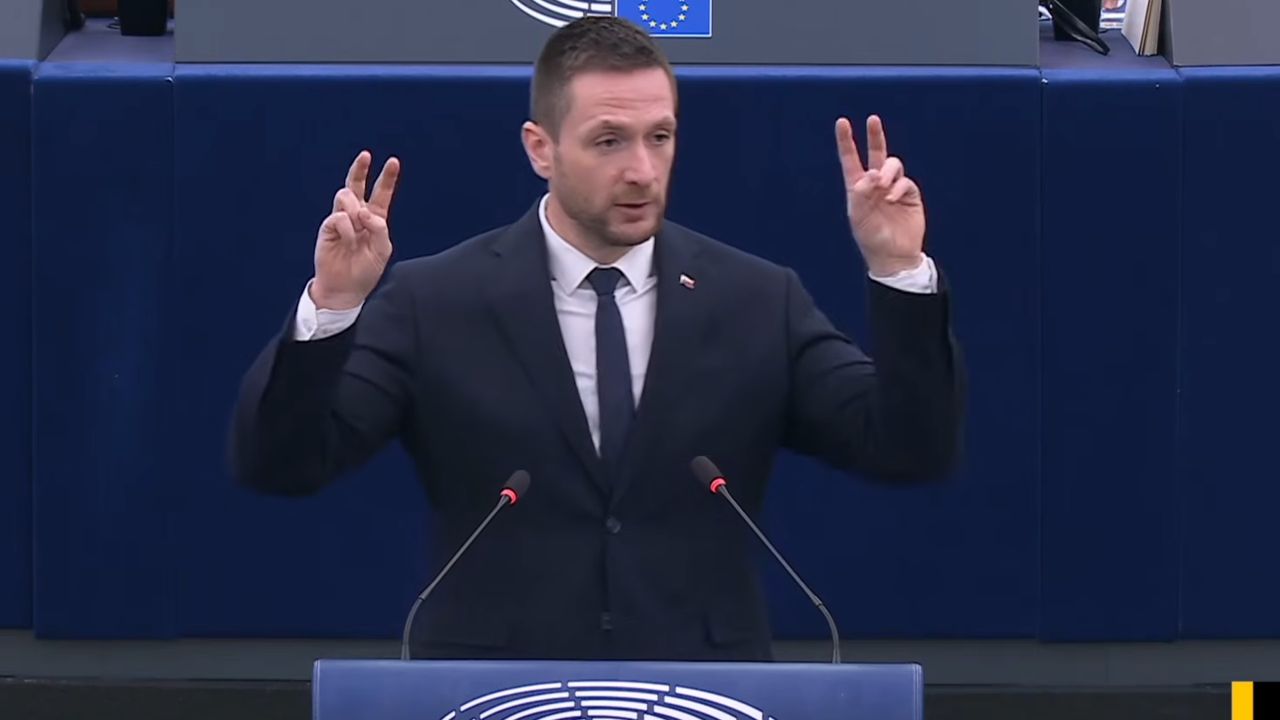
The recent debate at the European Parliament regarding the "Stop Killing Games" initiative provided a spectacle that blended serious policy discussion with bizarre political derailments. While the primary goal of the movement is to protect the video game industry from predatory monetization and server shutdowns, the proceedings were hijacked by far-right MEP Milan Uhrik, who argued that diverse representation is the true threat to gaming.
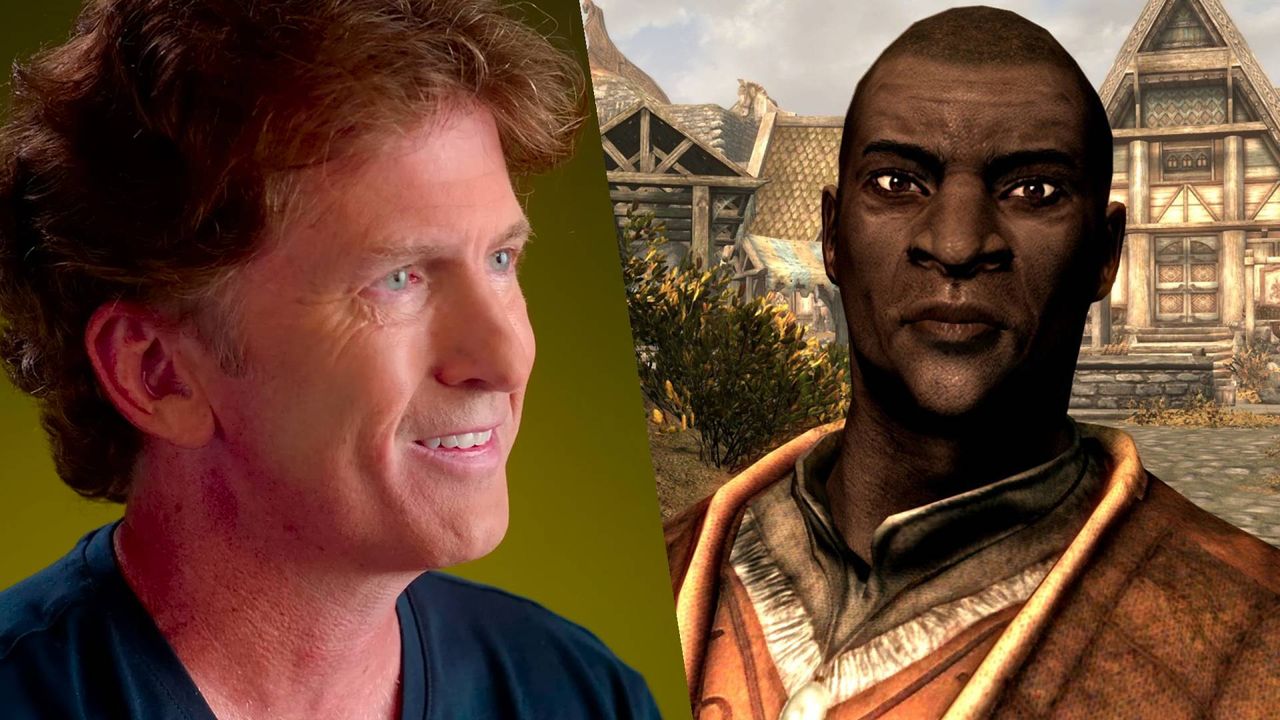
Uhrik, a leader of the far-right Republic Movement, took to the podium to claim that "woke ideology" and forced diversity are destroying the medium. In a controversial aside, he cited the upcoming title Assassin's Creed Shadows—which allows players to choose between a white samurai and a Black samurai named Yasuke—as evidence of this alleged crisis.
The "Stop Killing Games" Debate Unfolds
The European Parliament’s debate served as a critical checkpoint for the "Stop Killing Games" (SKG) movement, which has gained significant traction by highlighting how predatory monetization and the closure of online services damage consumer trust.
While the commission showed clear support for the movement's goals, the political discourse revealed deep divisions among MEPs (Members of the European Parliament) regarding the future of regulation.
- Piotr Müller (Poland): Supported the initiative but warned against over-regulation, arguing that the European games market still needs room to develop and grow.
- Ondřej Krutílek (Czech Republic): Defended the status quo by raising concerns about digital ownership, echoing arguments that players do not truly "own" their digital purchases.
- Catarina Vieira (Netherlands): Added levity to the proceedings with a joke about Grand Theft Auto 6, acknowledging the cultural weight of upcoming titles.
- General Consensus: Most speakers acknowledged that video games are both mass media and art, possessing meaningful and enduring cultural impact that warrants protection.
Despite these cautious but generally supportive tones, the debate was derailed by Milan Uhrik, who shifted the focus from economic regulation to culture war grievances.
Milan Uhrik’s Attack on Representation
Milan Uhrik, a Slovak MEP and leader of the far-right Republic Movement, delivered a speech that drew immediate backlash for conflating diverse character options with the destruction of the gaming industry.
Uhrik declared, "Wokeness and aggressive monetization is destroying videogames!" However, his focus quickly narrowed to what he termed "crazy, woke ideology and political correctness." He specifically targeted Assassin's Creed Shadows, stating:
"For example, if we want to play as a samurai, obviously we want to play as a Japanese warrior and not to be forced to play as a Black person warrior or female warrior as it happened recently in Assassin's Creed. Or to play as a queer character, without any other choice. This is an issue, really, for players."
This argument ignores the fundamental reality that Assassin's Creed Shadows offers players the choice of who to play as, a feature widely praised by critics and fans alike for its narrative depth and historical inclusivity. By framing the inclusion of Yasuke, a historical Black samurai, as a negative imposition, Uhrik’s comments echoed long-debunked conspiracy theories that diversity in media is a zero-sum game for white players.
The Political Context of Uhrik’s Views
Critics have pointed out that Uhrik’s rhetoric is not isolated but part of a broader far-right narrative. Uhrik is a former member of the neo-Nazi ĽSNS political party in Slovakia, from which he departed in 2021 along with other members to establish the Republic Movement.
While the new party presents a slightly less overtly Nazi image, it holds comparably contentious positions, including:
- Anti-immigration policies
- Anti-LGBTQ rights stances
- Anti-vaccination views
- Pro-Russian political alignment
- Anti-EU sentiment
The Republic Movement is still widely regarded by analysts and watchdogs as fascist. Furthermore, Uhrik’s colleagues in the movement have made equally egregious statements; founding member Milan Mazurek has denied the Holocaust, and vice-chairman Ondrej Ďurica formerly fronted a neo-Nazi band called White Resistance.
Addressing the Real Issues: Monetization and Ownership
Despite Uhrik’s attempts to shift the narrative toward culture wars, the core of the "Stop Killing Games" movement remains focused on tangible economic harms that affect all players, regardless of political affiliation.
Uhrik did, somewhat ironically, touch on the actual issues at hand during his speech. He acknowledged that "never-ending microtransactions, insane pay-to-win, or even gambling loot boxes, like in casinos" are practices that "have to be stopped." He also cited the practice of companies shutting down game servers shortly after purchase as a major grievance.
These are not ideological issues but consumer protection issues. The SKG movement argues that the industry’s reliance on these predatory models is indeed "killing" the medium by eroding trust and quality.
The Path Forward for the SKG Movement
Moritz Katzner, director general of the Stop Killing Games movement, responded to the debate with measured optimism. In a detailed breakdown on the SKG subreddit, Katzner noted that while Uhrik was "supportive in tone," he "somewhat missed the point."
The movement’s goals remain clear:
- Regulatory Pressure: Pushing for stricter regulations on loot boxes and microtransactions at the national and EU levels.
- Legal Action: Pursuing legal avenues to hold publishers accountable for deceptive practices.
- Public Awareness: Continuing to highlight how server shutdowns and lack of digital ownership rights harm consumers.
Katzner stated that the European Parliament has shown "clear support" for the effort, although the commission itself remains "mixed." Even if the commission opts for a non-legislative response, the SKG movement is prepared to continue its work through alternative means.
Conclusion
The European Parliament’s debate on "Stop Killing Games" highlighted both the growing political awareness of video game issues and the persistent resistance from far-right factions who view diverse representation as a threat rather than a benefit.
While politicians like Milan Uhrik focus on the inclusion of characters like Yasuke, the actual threat to the industry’s health lies in predatory monetization, loot boxes, and the erosion of digital ownership. As the SKG movement continues to push for regulation, the focus must remain on protecting players from economic exploitation, not on policing the diversity of the characters they play.
The full debate, which provides further insight into these complex issues, is available on the Europe Echo YouTube channel.