EU Breathalyzer Interlock Mandate: All Vehicles Sold in the EU Must Be Able to Hook Up to a Breathalyzer
When a driver reaches for the ignition on a car parked at a gas station in France, a silent alarm blares if their breath contains more than 0.5 milligrams per deciliter of alcohol. The breathalyzer is now a mandatory feature across every vehicle sold in the European Union, part of the Vision Zero program designed to eliminate alcohol‑related traffic fatalities by 2050.
Why the EU Breathalyzer Interlock Is Essential for Vision Zero
The regulation takes effect at midnight on July 1st, meaning no car will leave a dealership without full compliance. Automakers must certify that the alcolock device complies with the European standard EN 50436 and carries an accreditation certificate from an authorized body. Studies suggest such technology can cut alcohol‑related fatal accidents by up to 65 %. Since 2018, the EU has rolled out additional safety features, including intelligent speed assistance, lane‑keeping correction, adaptive brake lights, and event data recorders. The breathalyzer interface is presented as the final barrier in a comprehensive suite designed to keep roads safer.
Compliance Timeline and Automaker Obligations
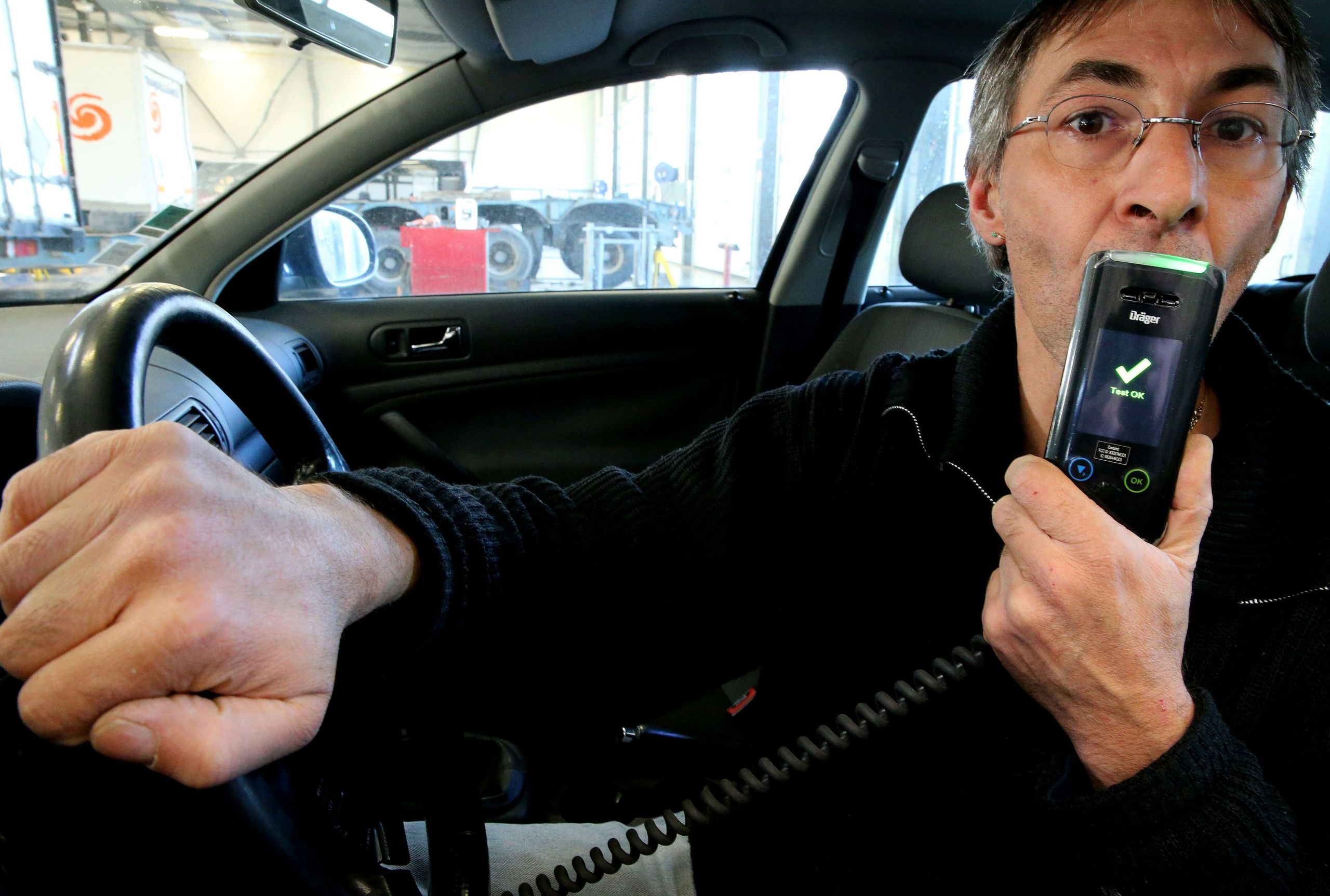
The operation of an alcolock is simple: before starting the car, the driver blows into the device. If alcohol levels exceed legal limits, the system blocks ignition and prevents the engine from turning over. The EU’s push reflects a decisive step toward alcohol‑free road travel, but manufacturers will need to balance regulatory demands with consumer expectations.
Compliance Checklist for Automakers
- Preinstalled electrical interface that connects to the ignition system
- Reserved space inside the vehicle for device installation
- Compliance with EN 50436 standard, verified by accredited certification