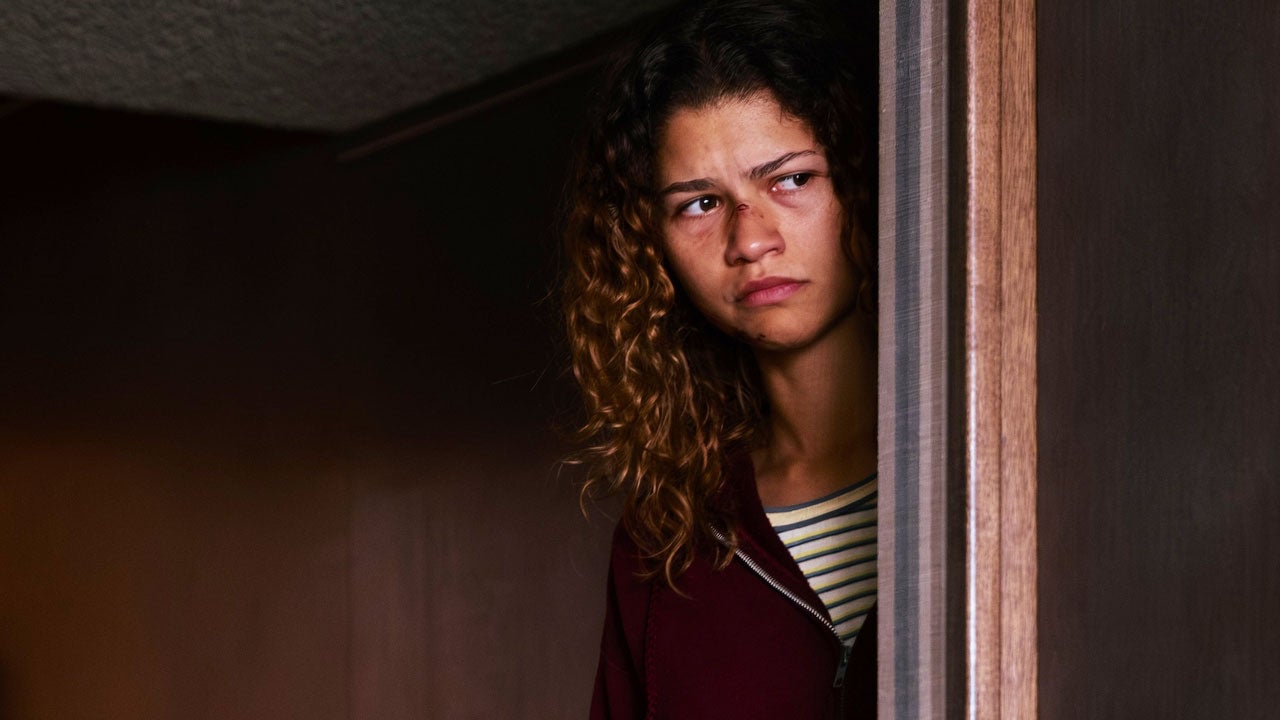
Full spoilers follow for Euphoria Season 3, which is available on HBO now.
Euphoria may end in a shoot-out, but the season itself feels more like it’s been firing blanks. It’s no surprise HBO has announced their once hit drama will end with Season 3, because there’s little left of the original spirit of the show. Even major character deaths can’t shock the series back to life. What creator Sam Levinson has given us with Season 3 is a fun enough Western but a paltry conclusion to Euphoria itself.
It’s not all terrible, despite a lackluster first three episodes. So what exactly is good, bad, and ugly? Alamo Brown (Adewale Akinnuoye-Agbaje) and his crew, Bishop (Darrell Britt-Gibson), G (Marshawn Lynch), and Kidd (Asante Blackk), are compelling to watch as they go toe-to-toe with Laurie (Martha Kelly) and her gang of drug-dealing white supremacists. After Alamo, Bishop makes for one of the best new additions to the series as he delivers violence and philosophy via hypnotic, stone-faced monotone.
Really, valiant efforts by the cast are what keep the show worth watching. Alexa Demie reminds us just why Maddy remains such a fan favorite. Her calculating business acumen and stone-cold exterior crumble at times into stark vulnerability. Zendaya’s Rue and Colman Domingo’s Ali share several quietly contemplative scenes that echo something of the gravity of Season 1. Hunter Schafer, for all she’s barely in Season 3, plays Jules with the soft wistfulness of a bird in a gilded cage. I’ll miss these characters, even if I didn’t always recognize them this season.
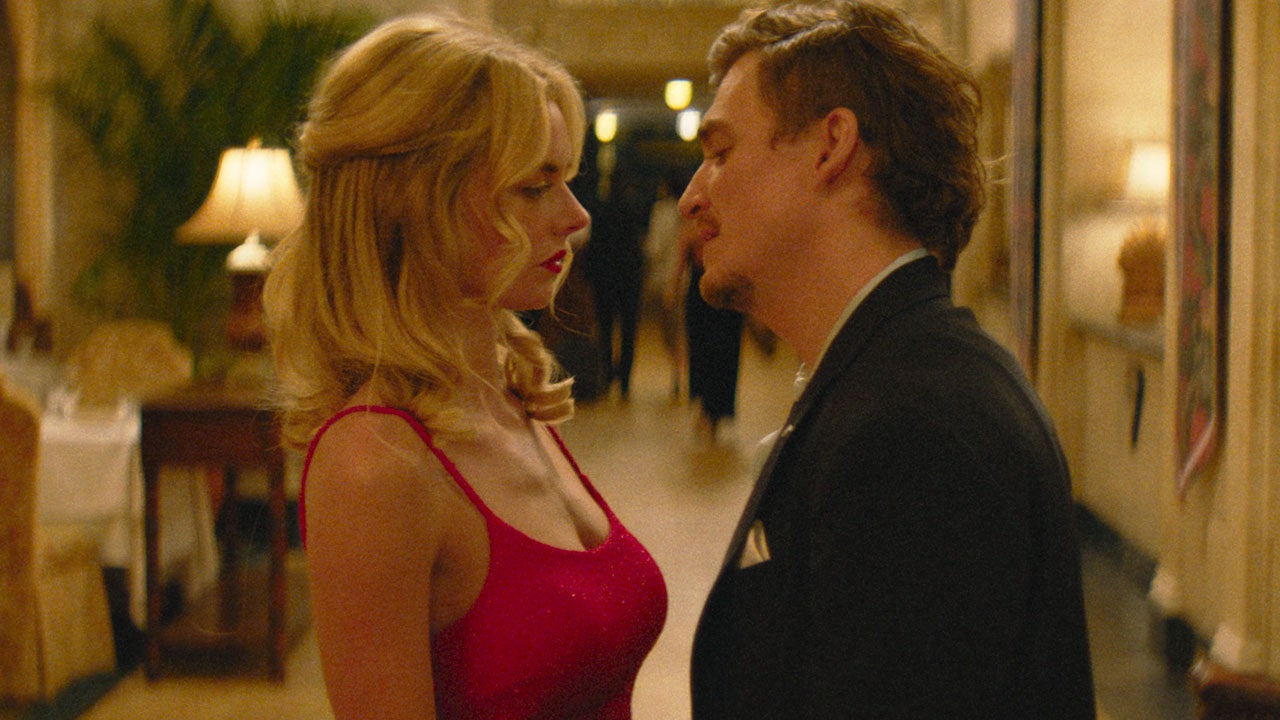
The world of Euphoria is alight in Western technicolor this season, everything intense and sun-drenched. It’s easy to see where Levinson tried to sketch his Old Hollywood inspirations. In one particular scene, Cassie’s (Sydney Sweeney) stratospheric growth on OnlyFans is represented by her growth into a giant woman terrorizing the streets of Los Angeles. It’s giving Attack of the 50 Foot Woman or, like, sexy King Kong vibes. We even got a saloon stand-off in the finale, set to something that sounds suspiciously like Amazing Grace.
Season 3 is more a vanity project than it is a tragic or even heartfelt conclusion to the lives of characters audiences grew to love.The fun doesn’t last, though. Levinson stuffs this final season with heavy-handed religious themes and metaphors, half-baked ideas about women’s sexuality and power, and a confusing conclusion about good and evil. Where the first three episodes seemed meant to titillate in their debauchery, the rest try futilely to make a statement on the “traditional” hawking of women’s bodies via men (i.e. enterprises like Alamo’s Silver Slipper strip club) versus new age, digital means like OnlyFans in which sex workers have more power. It’s an interesting dichotomy to explore but done so poorly here that it feels more like an excuse for Levinson to throw almost all of Euphoria’s women into some form of sex work for shock value.
There’s a contradictory conception of women as both conniving and helpless. It’s a madonna-whore complex wherein every woman is capable of great evil yet easily bested by the will of men. Levinson seems to think he’s drawing some revelatory conclusion, but the fact that the major players in the climax of our finale are three men, none of which are any of the women who have long been the core of Euphoria, renders it all moot. Zendaya’s Rue herself – who dies in the finale from a fentanyl overdose – is entirely absent from the last 50 minutes of the finale.
Euphoria becomes a quasi-parable with surface-level observations about “salvation” made through Rue’s newfound preoccupation with (and, later, Ali’s conversion to) Christianity. The promised land, according to Rue, is a Texas homestead of white, conservative Christians she visits briefly in the first episode.
Euphoria is over, and has little to show for it. Perhaps what we can take from these tumultuous three seasons are the careers it’s launched. Beyond that, Season 3 is more a vanity project than it is a tragic or even heartfelt conclusion to the lives of characters audiences grew to love. We end the series on a prayer, with Ali (now going by Martin) at the head of the table, Rue as a visiting apparition, and a family of characters we barely know. Fitting for a series that’s become an unrecognizable whisper of itself.