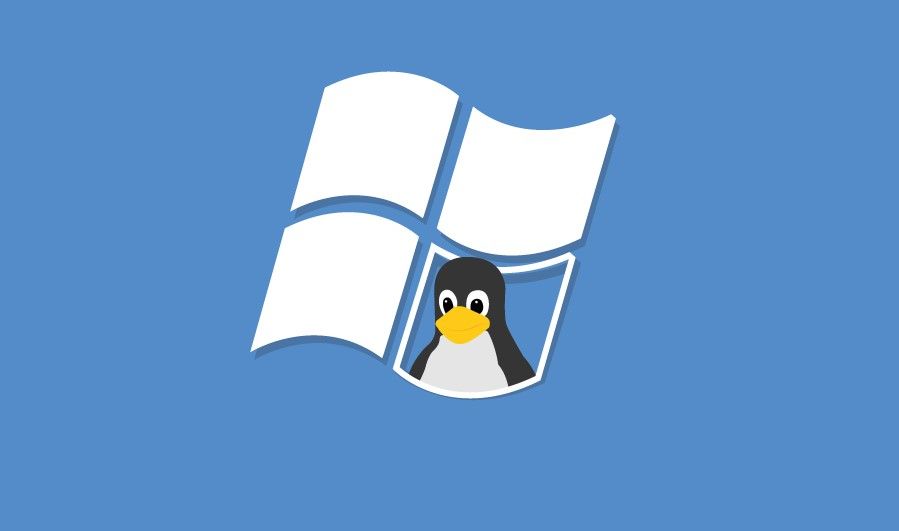
France Makes the Leap to Linux for Digital Sovereignty
In a significant move toward digital sovereignty, the French government is officially switching away from Windows in favor of Linux workstations. During a high-level seminar held on April 8, key government bodies gathered to discuss accelerating the reduction of extra-European dependencies and securing the nation's technological future. As highlighted by Tom's Hardware, this strategic pivot marks a decisive "exit from Windows," with the state now prioritizing open-source solutions over US-made operating systems. This bold step underscores a broader commitment to regaining control over national infrastructure rather than simply chasing efficiency gains.
A Strategic Break from American Dependence
The decision to adopt Linux is driven by political necessity and security concerns rather than just cost savings or technical preferences. The move was jointly declared by the Directorate General for Enterprises (DINUM), the Directorate General for Enterprises (DGE), the National Cybersecurity Agency of France (ANSSI), and the State Procurement Directorate (DAE). By transitioning to an operating system that allows for custom distros with minimal external interference, France aims to break free from reliance on American companies. This shift is fundamentally about ensuring that data, infrastructure, and strategic decisions remain under French control rather than subject to foreign rules or risks.
David Amiel, the Minister of Public Action and Accounts, emphasized that "The State can no longer simply acknowledge its dependence; it must break free." He further stated that the nation cannot accept a scenario where critical assets depend on solutions whose evolution and pricing they do not govern. The goal is to regain command over digital destiny by utilizing tools that offer true independence from geopolitical influence.
The Case for an Open-Source Future
While Linux is renowned for being free, open-source, customizable, and efficient—attributes often preferred by developers—the primary driver here is sovereignty. Unlike Windows, which has faced criticism for its aggressive integration of AI tools and geopolitical entanglements, Linux offers a path to self-reliance. The French government recognizes that traditional concerns about Microsoft's business practices or the constant introduction of new features are secondary to the need for national security.
The plan involves a massive logistical undertaking:
- Target Audience: Approximately 80,000 agents within the National Health Insurance Fund (CNAM).
- Timeline: The transition to these "sovereign solutions" is scheduled for completion by the end of 2026.
- Objective: To ensure that public sector tools are not owned or controlled by other states, thereby mitigating external risks.
This initiative signals a clear message: France is ready to lead the charge in redefining its technological landscape through independent innovation and open standards.