The Tracer Debate: Jeff Kaplan Debunks the "Nerf" Myth
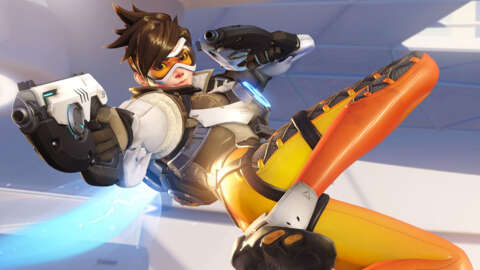
When Overwatch debuted almost a decade ago, it encountered immediate pushback regarding Tracer's victory pose. Critics and players alike claimed the animation over-sexualized the character by placing too much emphasis on her rear. In response to this controversy, Blizzard issued an apology and subsequently reworked the model. However, former Overwatch director Jeff Kaplan has now weighed in on this long-standing rumor with a surprising clarification: Tracer's butt was never actually nerfed.
Kaplan addressed these claims directly while streaming his new game, The Legend of California, during an interview with IGN. When asked if the character's design had been toned down following the backlash, Kaplan stated definitively that "we actually didn't nerf Tracer's butt." He emphasized that the pose "stayed exactly the same" throughout the change, suggesting that the perception of a "nerf" was likely a misunderstanding or a result of other visual updates to the game.
Recent Design Controversies and Blizzard's Response
The discussion around character design has recently resurfaced for Blizzard following issues with their new hero, Anran. The female character faced significant negative reactions from players upon her initial reveal, primarily because her face was perceived as looking too similar to existing characters in the franchise. Acknowledging the community feedback, Blizzard promised a full rework of Anran's design earlier this month.
In a follow-up update, the studio unveiled a new facial design for Anran that shifts the focus away from youthfulness. This revised look emphasizes her maturity and significantly increases her resemblance to her brother, Wuyang. While these recent changes are distinct from the Tracer controversy, they highlight Blizzard's ongoing efforts to balance character aesthetics with player expectations.
Key Takeaways on Character Design Changes
- Tracer's Pose: Jeff Kaplan confirms that while an apology was issued, the specific victory pose was not altered in a way that reduced focus on her rear; it remained consistent.
- Community Feedback: Both Tracer and Anran cases demonstrate how quickly player sentiment regarding character representation can influence official design directions.
- Design Evolution: Blizzard's recent work on Anran shows a strategic pivot toward emphasizing maturity and familial likeness over initial youth-centric designs.
Kaplan’s comments serve as a correction to the narrative that the studio caved to pressure by altering Tracer’s core visual identity. Instead, the changes were likely part of broader updates or perception shifts rather than a direct "nerf." As the gaming industry continues to evolve, these discussions underscore the complex relationship between developers and their communities regarding character representation.