Faces of Death Review: A Modern Horror Masterpiece That Hits Harder Than Ever
The highly anticipated Faces of Death remake is set to hit theaters on April 10, promising a chilling experience that redefines the shock-value horror genre. This new iteration of the infamous title manages to deliver a unique sense of fun while maintaining its dark edge, proving it isn't just about cheap thrills. Instead, the film weaves interesting layers and a commendable amount of modern relevance into this fresh take on an Faces of Death classic. It expertly navigates the divide between those who believe it contains real deaths and those aware of faked footage, creating a narrative that feels urgent for today's digital landscape.
A Meta-Narrative That Redefines Shock Value
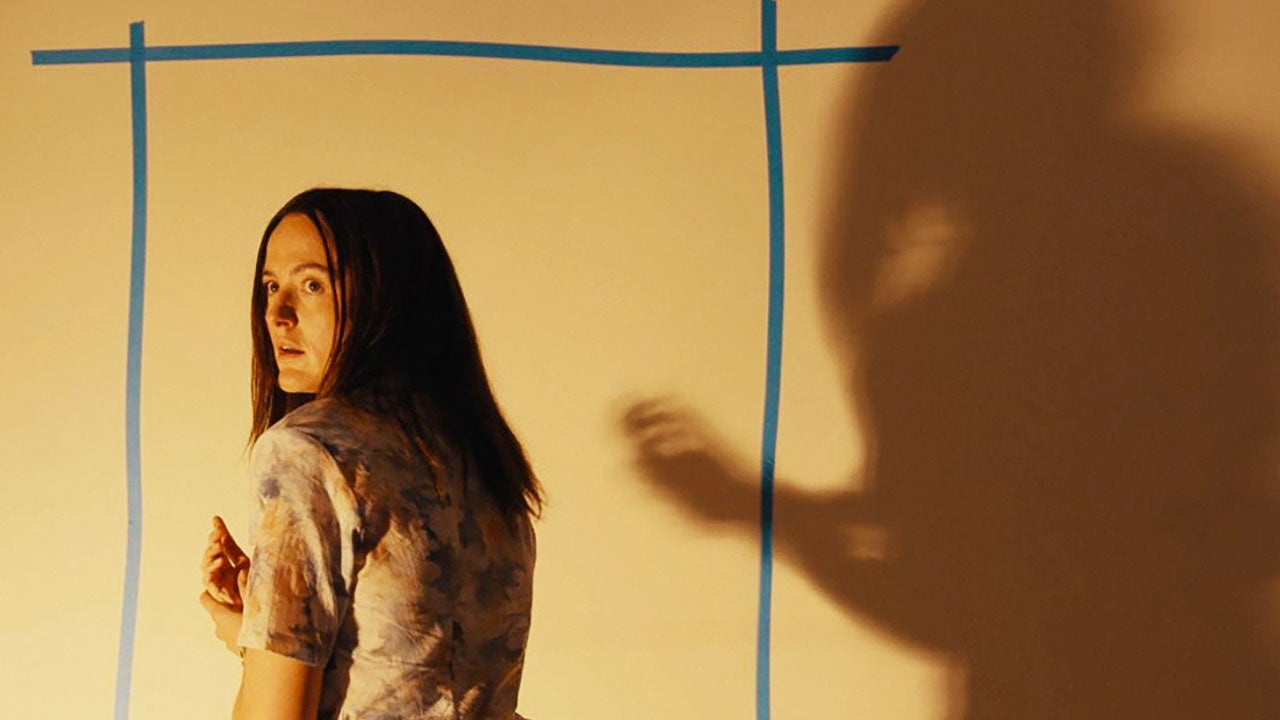
Faces of Death 2026 tackles the innate challenge of remaking a faux documentary from nearly 50 years ago with a clever, modern approach. Filmmakers Daniel Goldhaber and Isa Mazzei, who co-wrote the script with Goldhaber directing, craft a story centered on Margot (played by Barbie Ferreira), a content moderator for a video-based social media app. Every day, her job involves watching horrific footage, but soon she begins to encounter elaborate videos featuring ghoulish murders that blur the line between reality and fabrication.
The core tension drives home critical questions: are these videos real or faked? Are viewers seeking them out because they believe they are fake and thus harmless, or do they crave the sick thrill of witnessing something truly awful? This modern-day scenario creatively twists the central question faced by original 1978 audiences into a relevant new narrative about digital desensitization.
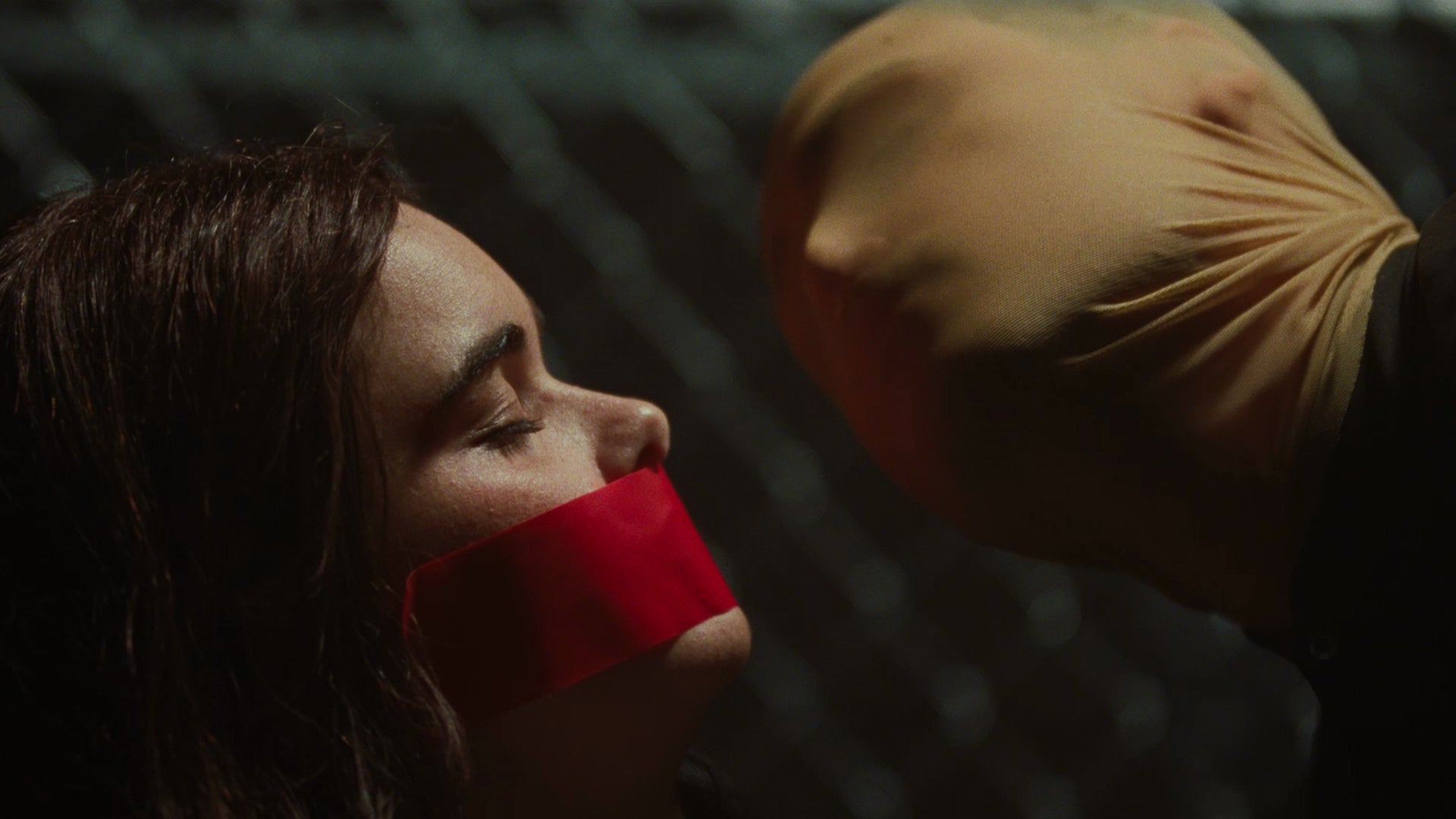
- The film features a masked serial killer, but it is not a "whodunnit"; we know from the start that Arthur (played by Dacre Montgomery) is the one behind these horrific acts.
- Instead of mystery, the story becomes a suspenseful countdown to when and how Margot and Arthur will collide, and what consequences await them upon their encounter.
- In the trailers, the film reveals its most meta aspect: in Faces of Death 2026, the original Faces of Death (1978) exists as a movie within this world, casting a shadow over current events.
While Goldhaber and Mazzei could have relied solely on their "funhouse mirror" take, incorporating the original adds freaky parallels that enrich the experience without feeling like a retread. Unlike Scream, which often relies on killer obsession with horror films, this movie features a villain whose goals only exist in the social media age. While there is one mini-monologue that feels coded to Scream fans, it serves the narrative perfectly and offers a sharper commentary on our current culture than recent sequels have managed.
Performances That Anchor the Chaos
Barbie Ferreira delivers a strong lead performance as Margot, believably conveying her increasing intensity and near-obsession with uncovering the video creators. She manages to keep us engaged even during moments where smart horror characters often make stupid decisions. Dacre Montgomery is equally effective as Arthur, delivering a creepy and unsettling portrayal of an internet boogeyman without needing a specific backstory. While the film hints at what shaped him, leaving some mystery works in its favor for this character type.
The supporting cast also shines, with Josie Totah, Aaron Holliday, and Jermaine Fowler providing solid performances. However, Charli XCX is somewhat distracting as Margot's co-worker; her presence feels too centered in certain scenes, detracting slightly from the narrative focus due to her star power. Despite these minor notes, the film maintains a wicked sense of humor that is used commendably throughout. It isn't overplayed but lurks under the surface, providing a twisted fun factor that defines the viewing experience.
This dark humor is especially evident in how Arthur perceives himself and his image. As a product of the internet age, he acts as much as a keyboard warrior as anyone else, all while being an actual psychopathic killer. Ultimately, Faces of Death delivers on the gory side of things in suitably twisted ways befitting its legendary title, ensuring it stands as a unique and terrifying addition to the horror canon.