Far Cry 2 Review (2008): Where Calm Before the Storm Defines Open-World Gaming
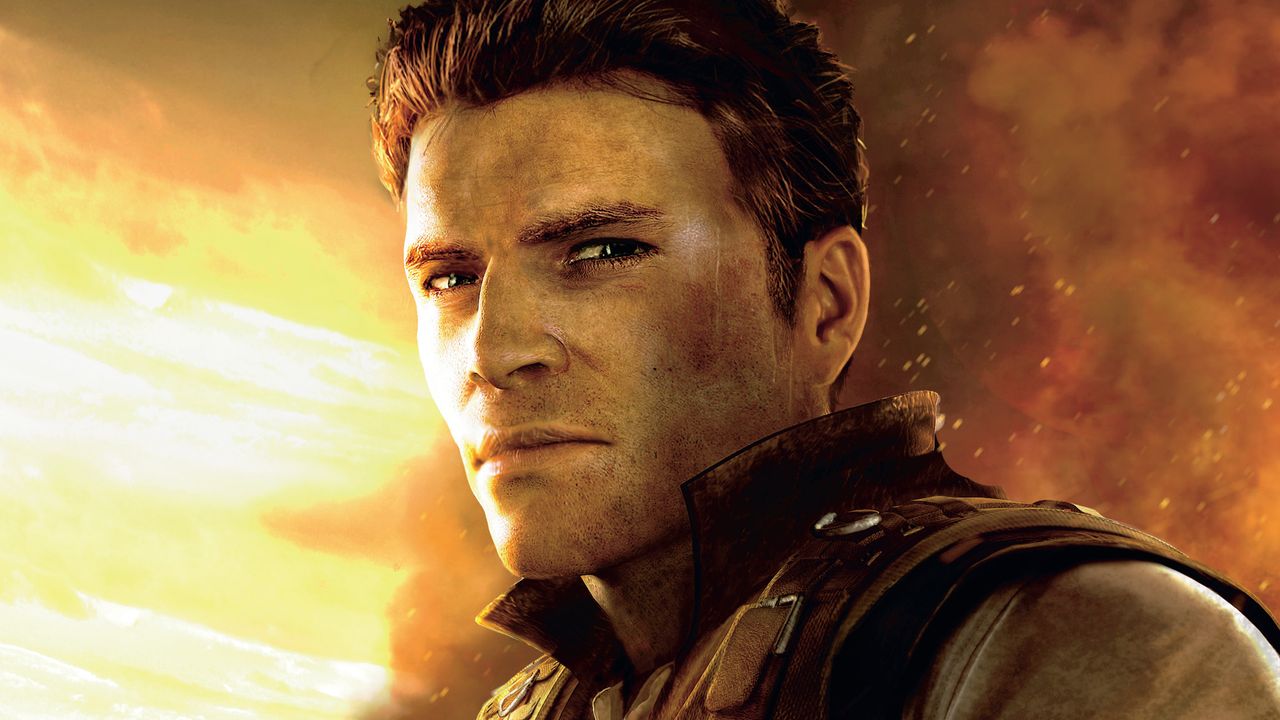
The true appeal of Far Cry 2 review content often misses the mark by focusing solely on its vast landscapes or adaptive technology. Released on October 24, 2008, this Ubisoft title is not just about the violent slapstick, chain-splodes, or the adrenaline-fueled catharsis of clearing hostile camps filled with ammo dumps and fuel tanks. Even the visceral moments of plunging a machete into survivors' chests are secondary. The real magic lies in Far Cry 2 during those quiet moments beforehand: when you stand on a lofty perch, checking your ammo, reloading your weapons, and healing up to anticipate what comes next. It is the calm before the storm, making the waiting itself one of the finest pleasures in gaming history.
A Dynamic Narrative That Truly Responds to You
While the headline pitch suggests a simple open-world first-person shooter set in Africa where you track down an arms dealer named The Jackal, Far Cry 2 breaks new ground by delivering on its promise of player agency. Unlike games that claim "it's up to you" but force linear experiences, this title allows your choices to dictate who lives, who dies, and how the story concludes. You are released after a brief tutorial with a singular note: find The Jackal, kill him, go.
The procedural storytelling engine acts as a software author that swaps characters and situations based on your actions. This means your experience in 2008 is unique to your playstyle:
- Warren Clyde vs. Andre: You might wake up meeting Warren Clyde, a smart-talking American, or Andre, a taciturn Haitian with dreads and big guns.
- Rescue Missions: One playthrough sees you rescuing Nasreen Davar from the UFLL (United Front for Liberation and Labour), while another has you saving Quarbani Singh from the APR (Alliance for Popular Resistance).
- Consequences: If you fail to manage resources or make poor tactical decisions, your allies may not survive to help you later.
This system ensures that if you dislike a specific request or grow attached to one companion, the game adapts accordingly. It is the first high-profile commercial game to use this level of dynamic narrative response, moving beyond simple replayability to create stories that genuinely reflect your successes and failures.
The Brutal Reality of Survival in Africa
The gameplay loop creates intense scenarios where you are down to your last clip, surrounded by enemies closing in while bullets clip the treeline. In a critical hit moment, you might duck behind a stump to pull a bullet from your leg, only to realize it is too late for Far Cry 2 characters. Yet, this is not Game Over; the screen flashes red to signal that an ally like Nasreen may arrive as an avenging force if conditions allow.
The environment itself becomes a weapon and a hazard. Shooting a fuel tank causes flames to rip out exactly where you fired, potentially engulfing the bush and forcing a retreat while leaving you with even less ammunition than you started with. The game forces you to improvise:
- Improvised Explosives: You can throw Molotovs for effect or trigger massive explosions by targeting petrol tanks.
- Transportation: With trains not running, you must rely on jeeps to navigate the countryside.
- Resource Scarcity: The weapons dealer is making a fortune off the war, leaving you perpetually low on supplies.
Far Cry 2 remains weirdly smart for a genre rooted in blowing stuff up and putting holes through skulls with sharpened metal from long range. It delivers a truly dynamic narrative where what happens next is determined by your hands rather than a game designer's script. Whether you are driving peacefully through the countryside or retreating from an out-of-control fire, the freedom to shape the chaos makes this 2008 release a standout in the open-world FPS genre.