TechCrunch Mobility: It doesn’t matter that people hate the Ferrari Luce
The automotive industry’s pivot toward electrification has not been a gentle transition. It has been a seismic shift, one where legacy brands are forced to reconcile their heritage with the demands of a rapidly evolving market. Nowhere is this tension more visible than in the case of Ferrari Luce, an all-electric vehicle that has sparked equal parts excitement and derision since its unveiling. Yet, for companies like Ferrari, acceptance over approval is the new mantra.
The Luce Is a Calculated Bet, Not a Popularity Contest
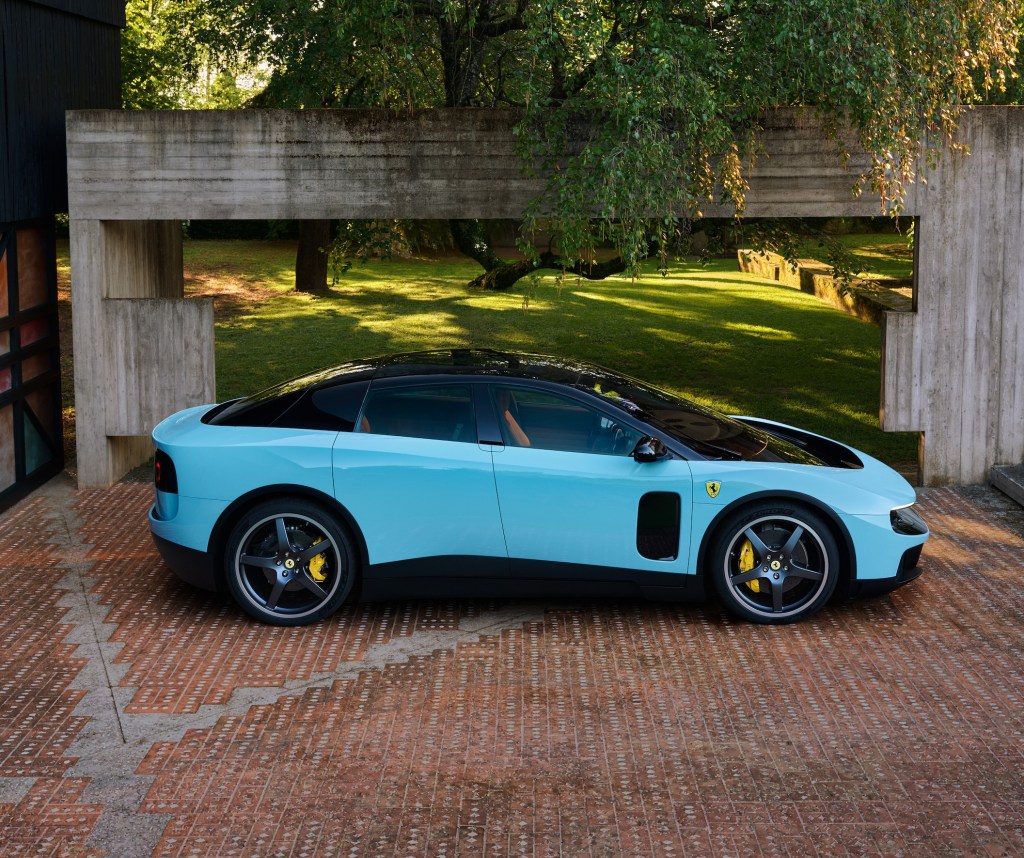
Ferrari’s decision to enter the electric vehicle market with the Luce has been met with skepticism, especially from long-time enthusiasts who associate the brand with roaring V12 engines and track-ready performance. Yet, Ferrari’s strategy is not built on immediate approval. The automaker has historically launched vehicles that were initially controversial—such as the Purosangue SUV—only to later be rebranded as visionary. The Luce, despite its unorthodox design and departure from traditional Ferrari aesthetics, is part of a broader, long-term plan to reposition the brand for the future.
The Luce is not just a product—it is a statement. It signals Ferrari’s commitment to sustainability and a shift in how luxury automakers engage with the electric era. While critics may argue it lacks the visceral appeal of a combustion engine, the company is betting that the emotional resonance of the Ferrari name will carry the Luce through its early challenges.
Design and Branding: A Clash of Expectations
The Luce’s design, led by Jony Ive and his firm LoveFrom, has been a major talking point. The five-seater layout alone has raised eyebrows among purists, who see it as a departure from the brand’s identity. However, this approach aligns with a growing trend among luxury automakers: leveraging design innovation to redefine what a supercar can be in the 21st century.
- The Luce’s minimalist, almost industrial look contrasts sharply with traditional Ferrari styling.
- Its design may not appeal to the core fanbase, but it signals a deliberate move toward modernity.
- This approach is not without precedent: the Purosangue, once mocked, is now a commercial success.
A Broader Industry Shift: Acceptance Over Approval
The Luce controversy reflects a larger industry phenomenon. In the tech and automotive sectors, product success is no longer defined by initial reception but by long-term market performance and adaptability. Companies like Tesla, Apple, and even traditional automakers have launched products that were initially unpopular—only to be rebranded as essential.
Ferrari’s Luce may not be the most beloved vehicle on the block, but its existence is a testament to the inexorable march toward electrification. Whether it becomes a hit or a misstep, it will be a data point in the ongoing narrative of how legacy brands adapt to new realities.
As the Luce moves from concept to production, the real test will be in the market. But for now, one thing is clear: in the world of mobility, it doesn’t matter if people hate the Ferrari Luce. What matters is that it is here, and it is part of a transformation that is only accelerating.