The Next Generation Challenge: Why Final Fantasy Must Evolve Beyond Its Legacy
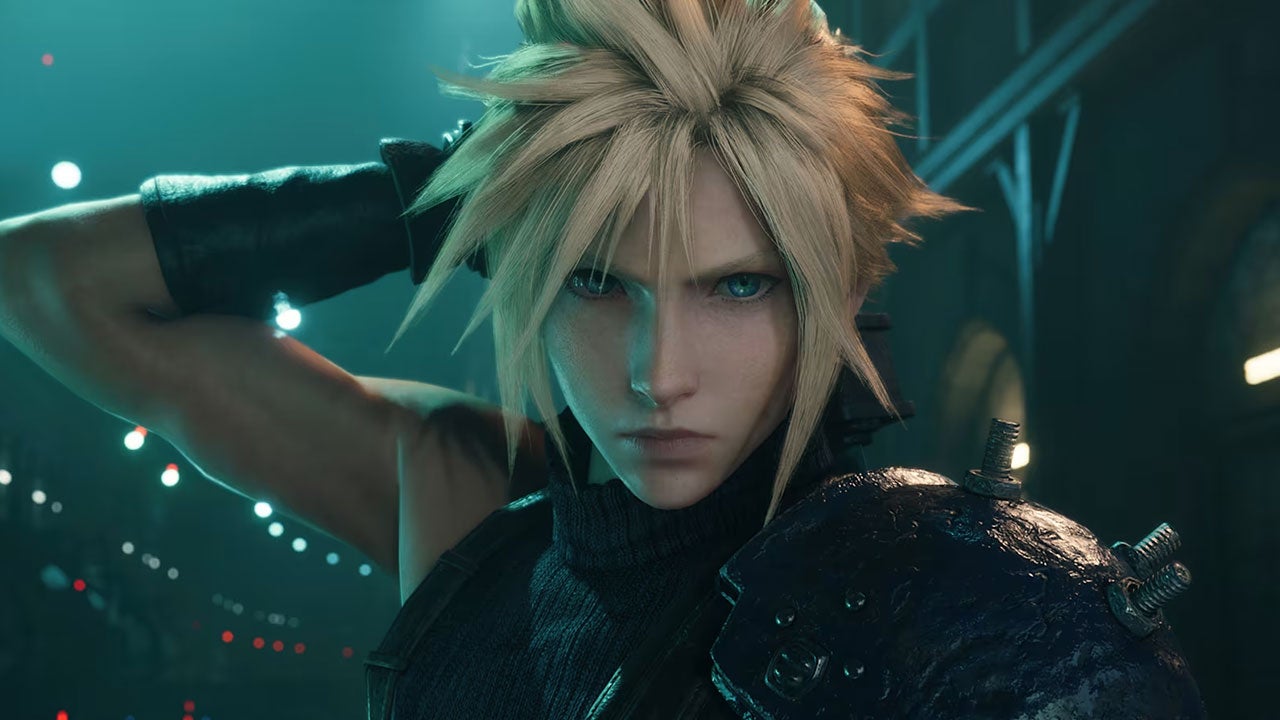
The director of the Final Fantasy 7 Rebirth trilogy, Naoki Hamaguchi, has openly acknowledged a critical hurdle facing Square Enix: bridging the gap between the franchise’s loyal, older fanbase and the next generation of gamers. With the series rooted in the late 1980s, the demographic playing these titles skews significantly older compared to contemporary competitors. This age gap isn't just a statistical anomaly; it represents a fundamental disconnect in how new players perceive and engage with the brand.
For younger audiences unfamiliar with the lore, the prominent roman numerals in titles like Final Fantasy 7 or Final Fantasy 16 often create an intimidating barrier. Many assume these numbers indicate a sequential narrative they have missed, not realizing that most entries are standalone stories with self-contained worlds. This misconception, combined with the series' notorious development timelines, creates a relevancy deficit that Hamaguchi is determined to address.
A Director’s Vision for Depth and Expansion
In a recent interview with Nintenderos, Hamaguchi articulated the delicate balance Square Enix must maintain. While honoring the depth that long-time fans crave, the studio is equally focused on expanding the franchise’s reach.
"We are constantly updating our vision on what kind of experiences we can offer next," Hamaguchi stated. "As the Final Fantasy 7 remake project nears completion, I want to meet the expectations of fans who desire even more depth in this world and its characters. At the same time, I am very aware of the need to consider how we can expand the potential of the Final Fantasy franchise as a whole for the next generation."
This awareness extends beyond just the remake trilogy. Hamaguchi expressed a eagerness to tackle new formats if the market demands it. "As the creator of these works, if there is a demand for new and unique experiences that differ from what we have done so far, I am also eager to face those challenges."
The Aging Demographic and Commercial Reality
The urgency of Hamaguchi’s sentiment is backed by hard data. Mat Piscatella, senior director at analyst firm Circana, revealed earlier this year that 70% of Final Fantasy 7 Rebirth players were over 30 years old. While this indicates massive commercial success among older demographics, it also highlights a vulnerability. As these players age, their gaming habits may change, making the acquisition of younger fans a business imperative rather than just a creative goal.
To combat this, Square Enix has made significant shifts in recent years:
- Embracing Real-Time Combat: Titles like Final Fantasy 15, Final Fantasy 16, and the Rebirth trilogy have moved away from traditional turn-based mechanics, aiming to appeal to players accustomed to modern action RPGs.
- M-Rated Content: Final Fantasy 16 took a bold swing with mature themes and content, attempting to resonate with an older, more mature gaming audience.
- High-Fidelity Production: The Remake trilogy utilizes cutting-edge graphics and narrative techniques to compete with the visual standards of new-gen consoles.
Despite these efforts, Final Fantasy 16’s commercial performance did not quite match the massive splash Square Enix had hoped for, underscoring the difficulty of winning over new fans through spectacle alone.
The Development Cycle Problem
A significant portion of the engagement challenge lies in the time between releases. In March, Final Fantasy 14 director Naoki Yoshida, widely known as Yoshi-P, admitted that long development cycles make it increasingly difficult for new players to connect with the series.
Reflecting on this issue in a video interview promoting the spinoff Dissidia Duellum Final Fantasy, Yoshida explained the generational divide in gaming habits. "I'm 53 now, and I've been playing since Final Fantasy 1 in real time... But for younger generations — people who grew up naturally accustomed to action-based combat and online competitive play — the recent entries in the series may have been harder to engage with," he said.
Yoshida pointed out that the extended gaps between mainline releases are a key factor. "Part of that is simply because I'm sorry to say... the release intervals for new titles have gotten longer, so some players haven't really had the chance to connect with the series the way older fans did."
What Comes Next for the Franchise?
As the Final Fantasy 7 Remake trilogy approaches its conclusion, the industry is left wondering what lies ahead. Final Fantasy 17 is speculated to be in early development, but it remains unclear how far along it is or what strategies Square Enix will employ to attract players who have never engaged with the series before.
In 2024, Yoshida suggested that it might be time for a younger generation of developers to lead the franchise and helm Final Fantasy 17. However, with the studio’s current focus firmly on delivering the final installment of the remake trilogy, concrete details about the next mainline entry remain scarce.
For Square Enix, the path forward requires more than just technical upgrades. It demands a strategic reimagining of how the brand communicates with a generation that expects faster iteration, continuous engagement, and accessible entry points. Whether through faster release cycles, new IP structures, or innovative gameplay mechanics, the company must prove that Final Fantasy remains a vital part of the modern gaming landscape.