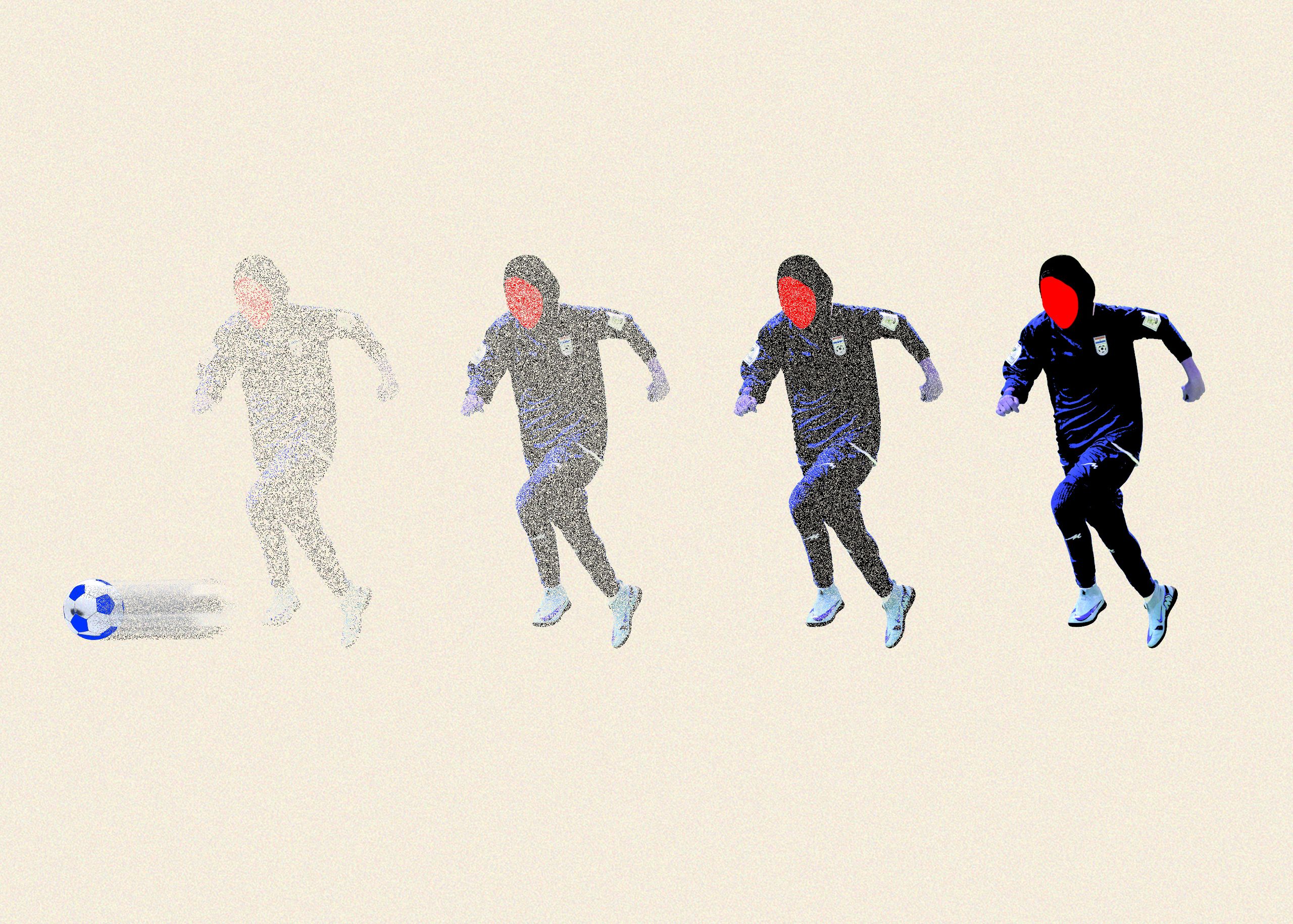
The 2026 FIFA World Cup has arrived in a world where global sporting events are increasingly shaped by the political tides of the nations they represent. Nowhere is this more evident than in Iran, where sports and politics are inextricably linked, creating a complex landscape for athletes who must navigate both the demands of their sport and the rigid expectations of the state. For Iranian athletes, the World Cup is not just a stage for competition—it is a battleground where identity, freedom, and national pride collide.
A Tenuous Balance Between Sport and State Control
Iran’s sporting culture has long been a reflection of its political climate. From the early days of the Islamic Revolution to the present, athletes have been expected to embody the values of the state, often at the cost of personal expression or dissent. The 1979 revolution marked a turning point, as state control over sports intensified, reshaping the role of athletes from individual competitors to national symbols. This shift has created a paradox: while sports have historically been a source of national pride, they have also become a tool of political enforcement.
The Supreme Leader’s 1993 decree that athletes must bring "pride and honor" to the nation exemplifies this dynamic. It reinforced the idea that athletic success is not just about personal achievement but a reflection of the country’s standing on the world stage. This pressure has led to situations where athletes are instructed to lose matches or avoid certain opponents, as seen with judoka Saeid Mollaei, who was reportedly told to avoid facing an Israeli competitor. The result is a system where sporting success is entangled with political messaging, often at the expense of athlete autonomy.
Defections and the Cost of Dissent
The pressures placed on athletes in Iran have led to a steady stream of defections and asylum seekers over the past few decades. At least 69 elite athletes have emigrated from Iran between 1979 and 2024, according to research by Sean Sadri, a sports media expert at the University of Alabama. These departures are not just about career opportunities but about survival—many leave after speaking out against the regime or facing backlash for their views.
Hadi Tiranvalipour, a former taekwondo athlete and national team captain, left Iran in 2022 after expressing support for women’s rights on television. His departure marked the end of a career in Iran but the beginning of a new chapter as part of the Refugee Olympic Team in Paris 2024. His story is emblematic of the challenges faced by Iranian athletes who refuse to align with the state’s political agenda.
- Tiranvalipour was banned from sports and education after his public statements
- He crossed into Turkey before seeking asylum in Italy
- Competed for the Refugee Team at the 2024 Olympics
The list of such athletes is long, spanning disciplines from judo to swimming, each with their own reasons for leaving. For many, the Refugee Olympic Team has become a last resort, offering a chance to compete on the world stage without the burden of representing a regime that views dissent as treason.
Women’s Sport and the Fight for Visibility
Women’s participation in sports has been another contentious area in Iran. Despite the ban on female spectators in stadiums and restrictions on attire, the rise of women’s soccer has been a significant movement. Katayoun Khosrowyar, an Iranian-American who helped establish Iran’s women’s national team, has spent years advocating for the sport and its athletes.
Her work highlights the dual challenge of navigating a male-dominated culture while pushing for progress. “We never really got the attention or the focus,” Khosrowyar says, referring to the uphill battle faced by women’s sports in Iran. Yet the movement has gained traction, with thousands showing up for tryouts and the formation of youth teams that could one day rival their male counterparts.
The 2022 Women, Life, Freedom Movement further underscored the role of sports in the broader struggle for women’s rights. Climber Elnaz Rekabi’s decision to compete without a hijab at the Asian Sports Climbing Championships was a powerful symbol of resistance. For athletes like her, the act of competing is not just about sport—it is an act of defiance.
A Future That May No Longer Be In Iran
As Iran’s athletes compete on the global stage, the question remains: can they continue to represent their country without being forced to conform to its political narrative? The 2026 World Cup may serve as a moment of reckoning, highlighting both the pride that Iranian athletes bring and the constraints they face.
For many, the choice is clear: remain in a system that demands loyalty or leave and compete under a different flag. The Refugee Olympic Team and other international platforms offer a path forward, but it is one filled with uncertainty. As the world watches, the athletes of Iran are not just playing for their country—they are also fighting for their right to be free.