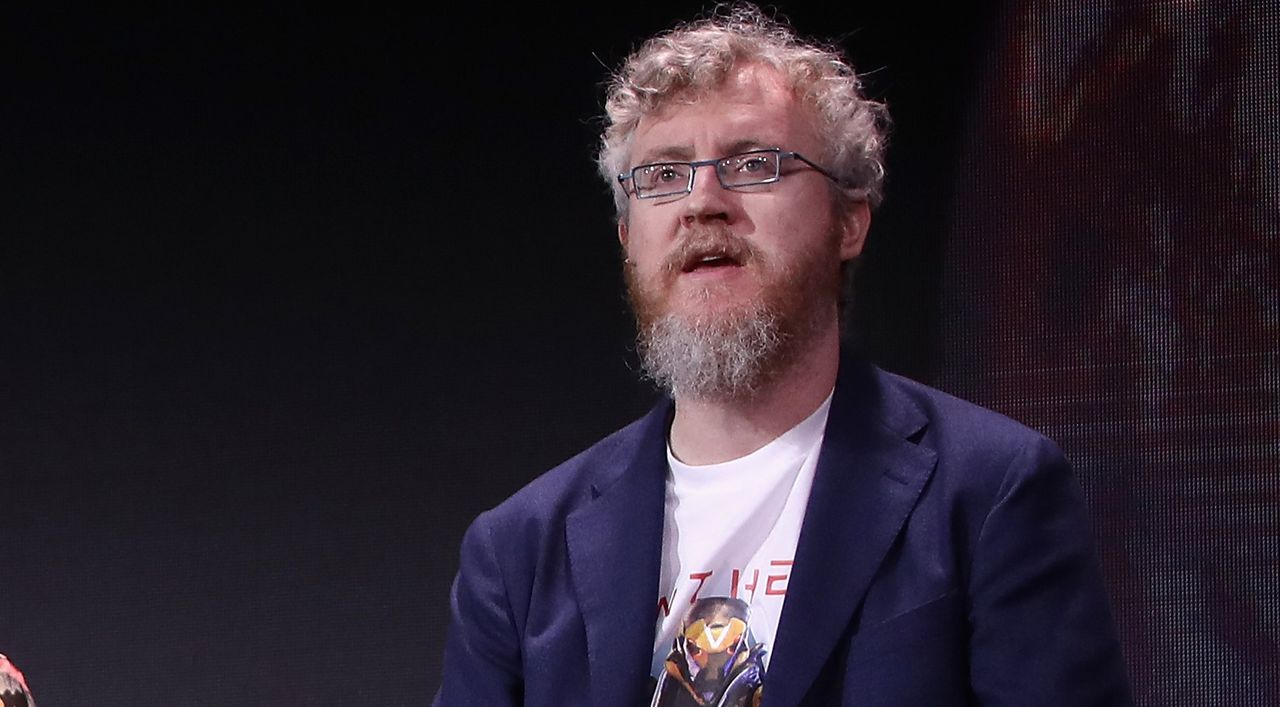
Developing a modern video game requires the combined expertise of dozens of specialized disciplines. However, former BioWare producer Mark Darrah suggests that a project might actually benefit from having "an idiot at the table" during the development process.
In a recent YouTube video titled "Have an Idiot at the Table," Darrah explains that having someone with only a layman’s understanding present during design and direction discussions can be incredibly valuable—as long as that person knows when to speak up and when to step back.
The Value of the Layman Perspective
Darrah, who served as executive producer on the Dragon Age series and the project Anthem, noted that he has spent much of his career acting as a "professional non-expert." While he is a programmer by trade, he often sits in on discussions regarding art direction, audio, and game design—fields in which he lacks formal training.
According to Darrah, these specialized disciplines can often become too inward-looking. Without an outside perspective, experts risk losing sight of the broader player experience. He noted several ways this "expertise trap" manifests:
- Game Designers: Can create systems of escalating, arcane complexity.
- Writers and Worldbuilders: May get lost in deep weeds of proper nouns and fabricated timelines.
- Artists: Might focus on minor details or "white space" that are obvious to them but invisible to a general audience.
"The very subtle things may not be coming across," Darrah said. "And that can be okay. But if [your game is] trying to make your point entirely out of subtle things, that point may get lost."
Knowing When to Speak (and When to Listen)
Having a non-expert in the room serves as a vital reality check. If a layman raises their hand because they aren't picking up on certain nuances, it acts as an indicator that the development team may have gone "too sicko mode." The goal isn't necessarily to discard the subtle details, but to ensure the core intent of the game remains accessible to the audience.
However, Darrah emphasizes that for this role to work, the individual must possess one critical skill: recognizing when they don't have anything meaningful to contribute. To avoid becoming a hindrance, the "idiot at the table" should follow these guidelines:
- Avoid forced feedback: Do not feel the need to provide as much input as the specialists.
- Respect expertise: Understand that you are not equipped to critique every technical decision.
- Listen more than talk: Ensure your presence doesn't force experts to spend time navigating unanchored opinions.
If a non-expert fails to follow these rules, Darrah warns that the production team will eventually "start to dread" their involvement. Ultimately, while having an external voice is essential for grounding a project, that voice must understand that they shouldn't be doing most of the talking in the room.