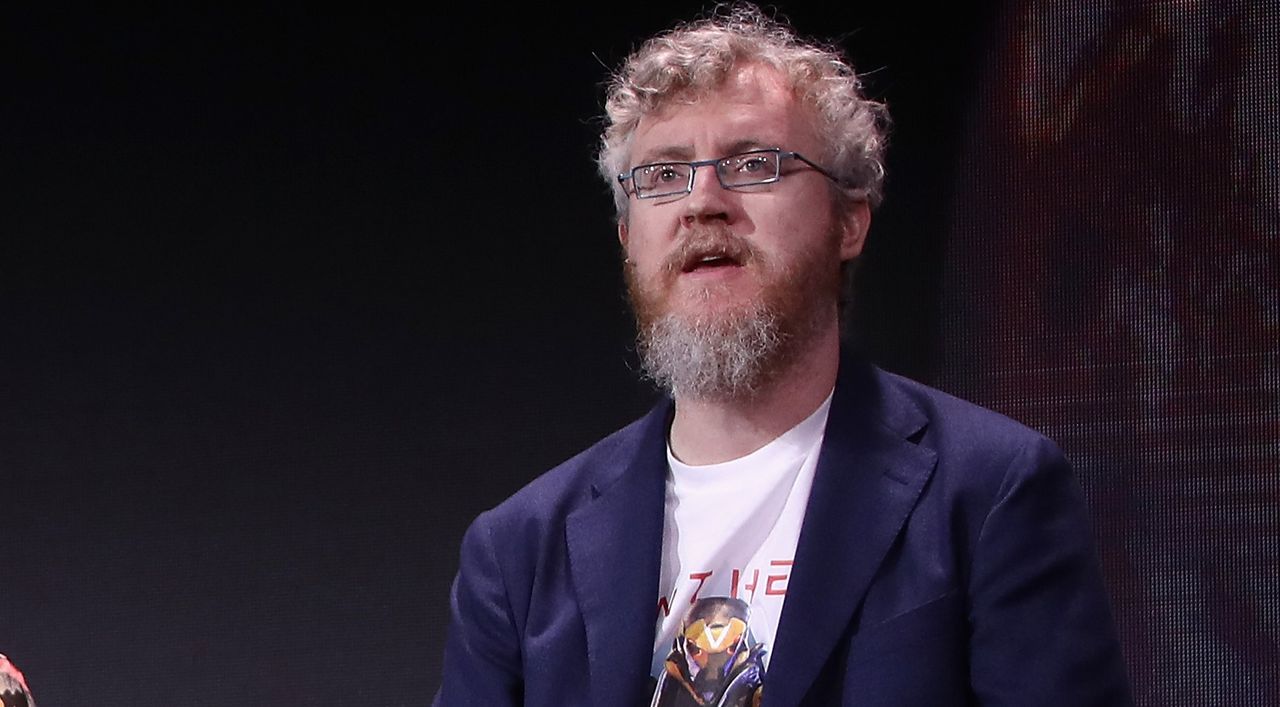
Former BioWare Producer Calls for Game Industry to Learn from Hollywood’s Business Model
The video game industry is in a state of flux, with major studios closing, layoffs becoming commonplace, and projects being abruptly cancelled despite its status as one of the most lucrative entertainment sectors. This paradox has left many questioning how the industry can sustain itself when it seems unable to generate consistent revenue for its creators. Former BioWare producer Mark Darrah, known for his work on the Dragon Age series, suggests that the industry might find a solution by looking to the movie industry—and specifically, the rise of streaming services.
Darrah argues that movies have a “very strong degree of gatekeeping” that games currently lack. He explains that while a game developer could potentially sell two million copies on Steam without significant marketing or industry connections, the same is not true for movies. There's a curation process in place that ensures only high-quality films reach audiences, which helps maintain a level of quality and exclusivity that games often lack.
In contrast, the movie industry operates on a model where they start with a costly theatrical release, then move to streaming platforms, and eventually to the used market or DVD sales. This allows for the same fan to invest in a film multiple times throughout its lifespan. For example, someone who enjoyed a movie in theaters might later buy the boxset or rewatch it on a streaming service. This multi-tiered approach helps sustain revenue long after the initial release.
Darrah contrasts this with the current state of video games, where the focus on live service models has led to a system where a small group of players—often referred to as “whales”—generate the majority of revenue. He points out that this model, while profitable for some, may be stifling the development of new and diverse business strategies. “It encourages degenerative design in order to juice the numbers and make yourself more money,” he says, suggesting that this approach could be limiting the potential of the industry.
The Need for Change in Game Monetization
Darrah doesn't offer exact solutions for how games might adopt Hollywood’s pricing techniques, but he does suggest looking into product placement and rethinking how subscription services operate. “Maybe they go in for a while and then they leave, the same way that movies leave Netflix,” he says, highlighting the potential for more dynamic and varied monetization strategies.
He also warns against the over-reliance on microtransactions, which he believes is emphasizing certain genres while preventing others from flourishing. “Everything can't be a live service,” Darrah insists, echoing the concerns of many who fear a future where all AAA games are live services. “And if our monetisation is coming primarily from live services, we run the risk of ending up in a world where there are no AAA games that aren't live services. And I don't think that's a world that any of us want to live in.”
While it's unclear whether the game industry will adopt Hollywood’s business model, Darrah’s points raise valid concerns about the current state of monetization. The industry is at a crossroads, and while the live service model has proven profitable, it may not be the only way forward. As the industry continues to evolve, it’s worth considering how other sectors have navigated similar challenges and adapted their strategies for long-term success.