The Lighting Paradox: Why Realism is Killing Stealth Gameplay
The genre of stealth gaming is facing a paradoxical crisis: as technology advances, the core mechanics are becoming increasingly difficult to execute. Clint Hocking, the former creative director of the seminal Tom Clancy’s Splinter Cell: Chaos Theory, has pointed to a specific culprit: the relentless pursuit of photorealism. In a candid interview with FRVR, Hocking suggested that the very advancements in lighting and shadow rendering are making it harder for both players and developers to navigate the shadows that define the genre.
Hocking, who helmed the 2005 classic, explained that modern development methods, while visually impressive, have stripped away the visual clarity that older titles relied on. For decades, stealth games thrived on a clear visual language where safety and danger were immediately distinguishable. That language is breaking down.
The Loss of Visual Clarity
In older titles, the limitations of hardware worked in favor of gameplay design. Hocking noted that "baked lighting" in classic stealth games resulted in environments that were "very clean and readable." Players could instantly understand the rules of the world: if it was dark, it was safe; if it was lit, it was dangerous.
However, the industry’s shift toward sophisticated rendering techniques has blurred these lines. Hocking highlighted how modern features like diffuse lighting and ambient occlusion create complex visual noise.
- Realistic lighting models introduce subtle gradients and soft edges that obscure boundaries.
- Ambient occlusion deepens shadows in corners, making it difficult to distinguish between a safe hiding spot and a deadly zone.
- Dynamic lighting changes constantly, removing the static cues players once relied upon.
The result is a gameplay experience where "it gets very hard to tell what’s light, what’s shadow, what’s dark, what’s safe, what’s dangerous," according to Hocking.
Aesthetic Realism vs. Gameplay Functionality
The problem extends beyond just texture and shading; it involves the fundamental direction of light sources in 3D environments. Hocking compared modern game lighting to theatrical staging, where lighting is often "super dramatic" and designed specifically to guide the audience’s eye. In contrast, modern games aim for realistic environmental lighting, which rarely aligns with the needs of stealth gameplay.
"When you go and see a play on a stage, the lighting is often super dramatic," Hocking explained. "It’s just that these places are often lit to be very realistic and not lit to be aesthetic [for the purposes of] stealth gameplay."
This creates a significant design hurdle. As the industry has spent the last 20 years mastering the art of making things look more realistic, they have inadvertently made it harder to create spaces that feel intuitive for stealth. Hocking described this challenge as a "tough bridge to cross" for modern game developers who must balance visual fidelity with functional design.
The Future of Stealth: Splinter Cell’s Path Forward
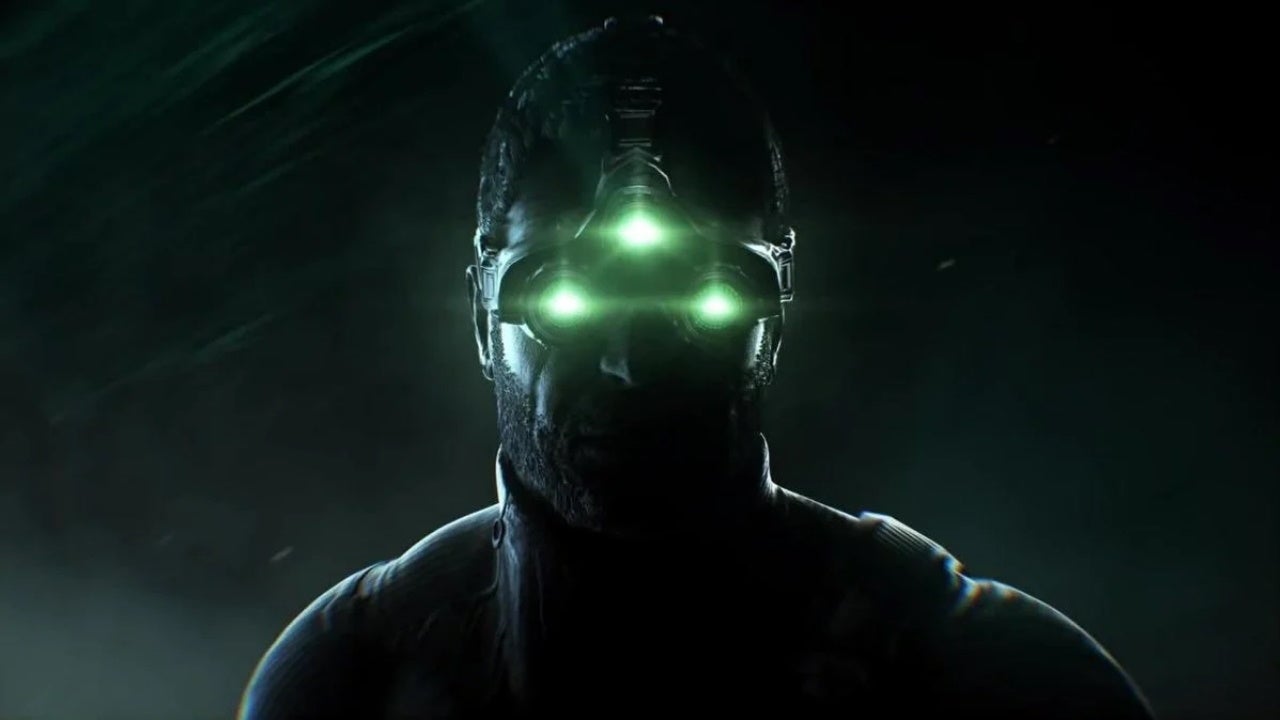
Despite these technical challenges, the future of the genre remains active. Ubisoft has recently insisted that its long-awaited Splinter Cell remake is still in development, even amidst significant organizational changes. In February, the company announced 40 job cuts at Ubisoft Toronto as part of broader cost-cutting measures that have seen thousands of employees depart over the past few years. However, Ubisoft stated in a statement to IGN that work on the Splinter Cell project remained unaffected by these redundancies.
The game itself remains shrouded in mystery, with no official release window announced. However, there have been positive developments regarding the creative direction. Late last year, it was revealed that original director David Grivel had returned to his role after leaving Ubisoft in 2022. His return signals a renewed commitment to the franchise’s legacy, though fans are still waiting to see how the team navigates Hocking’s identified challenges.
Beyond the Shadows
Clint Hocking’s insights offer a critical perspective on the current state of game design. As developers strive for hyper-realism, they must ensure that gameplay clarity does not become a casualty of progress. For Splinter Cell, the challenge is clear: create a world that looks real without losing the essential visual cues that make stealth satisfying.
Hocking himself has moved on from the Splinter Cell franchise, leaving Ubisoft in February after leading work on Assassin’s Creed Hexe. The upcoming entry in Ubisoft’s flagship series is set to feature a witchcraft vibe, marking a new chapter for the creative director.
For now, the Splinter Cell community waits. As Hocking’s comments suggest, the studio must solve the puzzle of realistic lighting before they can fully emerge from the shadows.