The Console Crisis: Why High Prices Are Killing Relevance
For decades, the prevailing industry wisdom suggested that game consoles would eventually usurp PC gaming, relegating it to a niche hobby ignored by the mainstream. For a significant period, that prediction held true; consoles were undeniably the dominant platform for playing popular titles. However, the landscape has shifted dramatically. Especially since the launch of the current generation of hardware, the trend has reversed: PC gaming is expanding while traditional console adoption falters.
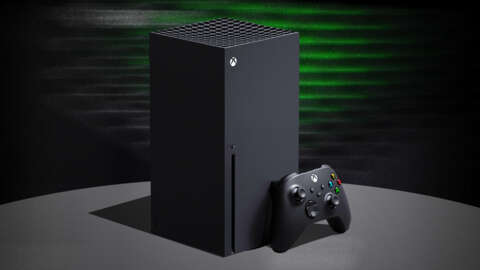
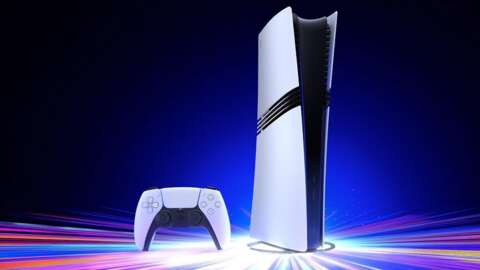
As we look toward the next cycle of hardware from Microsoft and Sony, the financial outlook is grim. Analysts are predicting that $900 will soon represent the low end of pricing for next-gen consoles, a figure that appears increasingly optimistic. This staggering price point raises a critical question: why should consumers invest such a massive sum in a dedicated machine?
The Economics of Exclusivity
For the vast majority of console owners, hardware is not used for a diverse library of exclusive titles. Instead, it is primarily a gateway for playing Call of Duty or the latest EA Sports football game. These franchises are widely available across multiple platforms, including PC and mobile.
When the entry cost for a dedicated gaming machine approaches the price of a high-end laptop capable of running the same titles, the value proposition collapses. Gamers in their teens and early 20s have grown up in an era where a console is no longer a prerequisite to access the vast majority of modern games. The barrier to entry has become too high for all but the most dedicated enthusiasts to justify.
The Data Behind the Decline
While the broader gaming industry remains massive, the traditional hardware sector is struggling under the weight of inflation and shifting consumer habits. Recent data from games industry sales tracker Circana highlights the severity of the downturn:
- Overall Game Spending: Dropped by 4% year-over-year.
- Hardware Spending: Plunged by 27%, indicating a severe lack of consumer demand for new physical hardware.
- Current-Gen Sales: Xbox Series and PlayStation 5 sales have plummeted by 70% and 40%, respectively.
- Nintendo’s Position: While bolstered by the launch of the Nintendo Switch 2, Nintendo still experienced a 10% drop in sales, with the new console launching at $450 in the US—50% higher than the original Switch.
A Market in Transition
The recent history of hardware pricing tells a consistent story of escalation. Both the PS5 and current Xbox consoles have seen multiple price hikes in the last 18 months. Meanwhile, the Nintendo Switch 2 launched at a premium price point that significantly exceeds its predecessor's initial cost.
This pricing strategy risks pricing consoles out of relevance entirely. As PC hardware becomes more powerful and affordable, and as cross-platform play becomes the standard, the unique selling point of the console is eroding. If next-generation consoles continue to climb toward the $900 mark, they may find themselves isolated from the very audience they rely on for survival. The era of the console as the undisputed king of mainstream gaming appears to be ending, replaced by a more flexible, multi-platform ecosystem where price sensitivity dictates consumer choice.