Gitar Emerges from Stealth with $9 Million to Solve AI Code Validation
The deluge of AI-generated code has shifted the industry's bottleneck from writing software to validating it, creating a crisis that Gitar, a startup that uses agents to secure code, aims to solve. As "vibe coding" accelerates the pace of development, enterprises are drowning in code they cannot trust, forcing senior engineers to spend disproportionate time debugging machine-written artifacts before anything can ship. This paradox—where the tool designed for speed creates a bottleneck of quality assurance—has birthed a new category of security startups dedicated entirely to post-generation validation rather than generation itself.
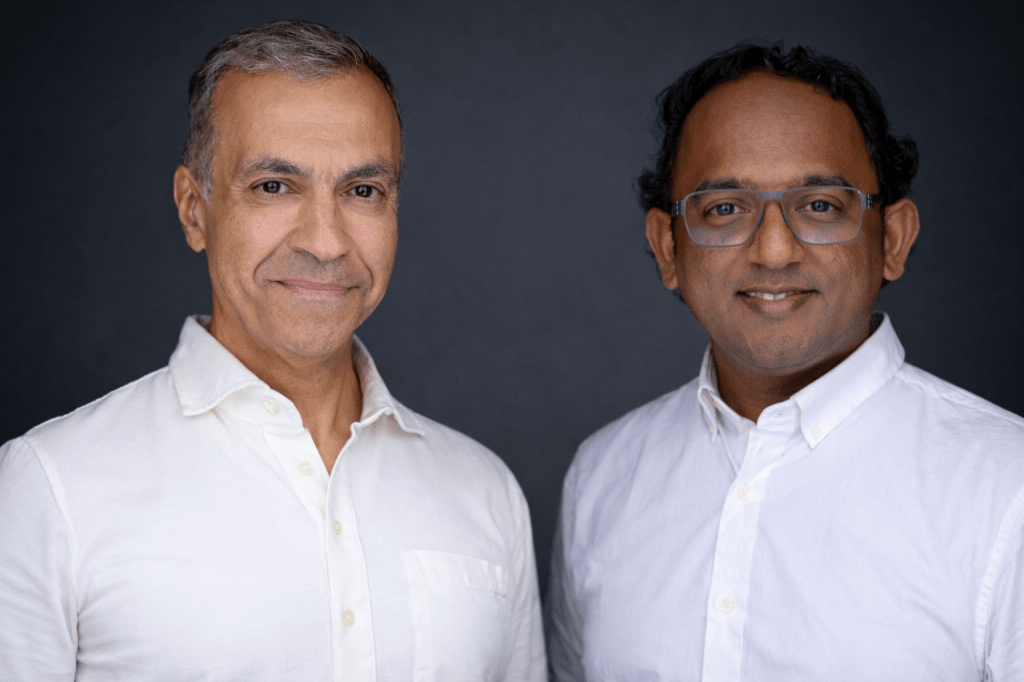
Gitar, founded by Ali-Reza Adl-Tabatabai, is now stepping out from behind the scenes with a $9 million funding round led by Venrock and supported by Sierra Ventures. The San Mateo-based company positions itself as the workflow agent that owns the critical "code validation" process, distinguishing its approach from the crowded market of AI code generators. While competitors raced to build tools that write software faster, Gitar was built specifically for what happens immediately after the code is written: ensuring it is safe, stable, and ready for production.
Bridging the Validation Gap in an Age of Code Overload
The rise of "vibe coding" has unleashed a flood of code onto companies, resulting in what industry observers are calling code overload. Reports indicate that AI-generated snippets frequently introduce subtle bugs, security vulnerabilities, and architectural inconsistencies that require manual intervention to fix. This reality has transformed the role of senior engineers from creators to auditors, tasked with sifting through mountains of machine output before a single line can be deployed to customers.
Adl-Tabatabai, a veteran of Intel Labs, Google, and Uber, founded Gitar to address this specific friction point. His vision is straightforward: generation produces code; validation makes it trustworthy. By deploying AI agents that specialize in review rather than creation, the platform aims to automate the tedious, high-stakes work of quality assurance without removing human oversight entirely. The goal is a workflow where humans intervene only in exception cases, allowing teams to ship faster while maintaining rigorous security standards.
The Gitar platform operates as a subscription service that integrates deeply into existing continuous integration (CI) workflows. It deploys specialized agents to perform a wide array of critical operations:
- Automated code reviews that analyze logic, style, and potential vulnerabilities in real-time
- Management of continuous integration failures, diagnosing issues before they block deployments
- Custom agent creation tools for engineering teams to build their own security and maintenance bots tailored to specific project needs
This approach allows companies to scale their quality assurance efforts without proportionally increasing headcount. The agents do not just flag errors; they orchestrate the entire diagnostic process, connecting reviews, tests, and system checks into a cohesive end-to-end pipeline. For enterprises grappling with the sheer volume of AI-assisted development, this level of automation offers a path back to velocity.
Why Gitar’s Focus on Trust is the Next Big Shift in Software Security
The competitive landscape for AI in software development is crowded, yet most players have focused on the generation side of the equation. Gitar's strategy represents a deliberate pivot away from writing code toward ensuring it works, a distinction that Adl-Tabatabai claims separates them from the pack. While other startups chase the allure of generating entire applications or functions with a single prompt, Gitar treats code generation as an input to be processed rather than a product in itself.
"The market chased [code] generation," Adl-Tabatabai noted, emphasizing that Gitar was built around the post-writing phase where trust is established. This focus on validation addresses the most pressing pain point for engineering leaders today: the inability to ship code confidently when it comes from an AI source. By treating validation as a workflow agent rather than a static linter, Gitar aims to become the gatekeeper of production readiness, automating the checks that currently slow down release cycles.
In its future vision, Gitar seeks to minimize human involvement in routine code reviews, reserving them for complex edge cases or high-risk changes. The platform's validation agents are designed to automatically ensure code is safe to ship, effectively acting as a digital firewall between development chaos and production stability. This shift implies a future where the "human review" step becomes an exception rather than the rule, fundamentally altering the software release pipeline for early adopters.
Scaling Trust in the AI Era with Strategic Capital
With the new capital from Venrock and Sierra Ventures, Gitar plans to expand its engineering and product teams while scaling its systems to handle enterprise-level loads. The funding underscores investor confidence that the problem of code trust is severe enough to warrant significant investment, even as the broader market grapples with the hype cycle surrounding AI coding assistants.
As the industry matures from novelty to necessity, the winners will likely be those who solve the downstream consequences of AI adoption rather than just the upstream generation capabilities. Gitar's emergence signals a maturation in the sector, where the focus shifts from "how fast can we write code?" to "how reliably can we ship it?" For engineering leaders overwhelmed by the paradox of AI productivity, this distinction may prove to be the critical differentiator between staying ahead of the curve and drowning in it. The path forward requires not just better writers of software, but better guardians of its quality—and Gitar is positioning itself as that guardian for the next generation of applications.