The Android Ecosystem Enters the Age of Agentic AI and Vibe-Coded Widgets
The Android ecosystem stands at the threshold of a significant paradigm shift. Google is no longer just refining interfaces; it is fundamentally redefining how users interact with their devices by integrating advanced agentic AI and novel vibe-coded widgets directly into its mobile platform. This move signals a transition from reactive assistants to proactive, cross-app orchestration, fundamentally altering the role of the smartphone in daily life.
Beyond Reactive Assistants: The Gemini Intelligence Ecosystem
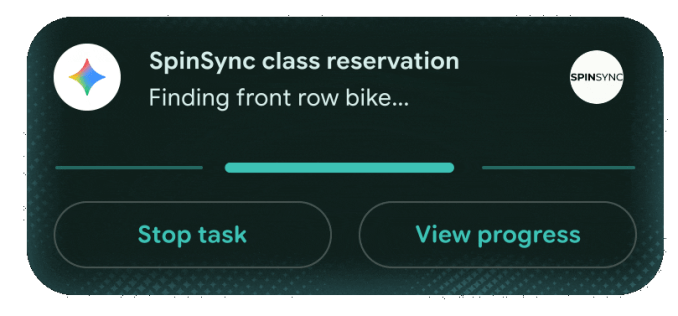
Google’s latest announcements highlight a strategic pivot toward agentic AI expansions across the stack. The new Gemini Intelligence ecosystem is designed to execute complex tasks autonomously, leveraging contextual screen content to confirm actions and streamline workflows.
Key capabilities now include:
- Multi-step task execution: Users can initiate complex sequences via voice commands, with the AI using on-screen context to verify details before proceeding.
- Autonomous web browsing: The system can handle appointments, purchases, and research workflows without requiring manual navigation, significantly reducing friction in routine digital tasks.
- On-device form completion: Powered by Personal Intelligence insights, this feature auto-fills data while maintaining strict privacy through explicit opt-out controls.
This shift toward autonomy raises important questions about permission boundaries and cognitive offloading. While early adopters will benefit from reduced friction, the balance between AI mediation and user agency requires careful calibration to avoid over-reliance.
Rambler: Democratizing UI with Vibe-Coded Widgets
Perhaps the most disruptive addition to Android is Rambler, a framework that translates conversational intent directly into functional UI components. This "vibe coding" approach allows users to describe desired behaviors—such as "Show weekly workout summaries"—and see the code generated in real-time.
Rambler introduces several key innovations:
- Direct speech-to-code pipelines: Users no longer need to configure settings manually. By describing their needs in natural language, the system builds the widget.
- Material 3 integration: All customizations adhere to Material 3 design principles, ensuring that even user-generated widgets maintain a consistent and cohesive visual language across the device.
- Broadening accessibility: By lowering the barrier to entry for customization, this technology democratizes UI development, potentially empowering non-developers to create tailored tools for their specific needs.
Early availability is set for Pixel and Samsung devices, with plans to expand to the broader Android ecosystem later this year. This approach addresses the rising demand for low-code personalization while maintaining design integrity through established constraints.
Device Strategy and Roadmap
Google’s rollout strategy reflects a deliberate hardware-software co-evolution. The company is prioritizing flagship devices to demonstrate the full potential of these features before cascading them to mid-tier models.
- Flagship First: Gemini features debut on high-end devices, ensuring the necessary computational power for on-device processing.
- Cross-Platform Continuity: Seamless integration between Chrome and mobile devices ensures cohesive workflows for users engaged in research or content creation.
- Privacy by Design: With on-device processing as a cornerstone, data exposure risks are mitigated, and users retain control through opt-in controls.
Looking ahead, the roadmap indicates a sustained push for deeper integration:
- Summer 2026: Full rollout of agentic features on the latest Samsung Galaxy and Pixel lines.
- Q4 2026: Expansion to mid-range Android devices through OTA updates.
- Continuous Refinement: Ongoing adjustments based on developer feedback loops and rigorous privacy audits.
Conclusion
The convergence of agentic systems with expressive widgets marks a significant inflection point for Android’s UI philosophy. By anchoring innovation within established design languages and device hierarchies, Google balances experimentation with usability. This evolution underscores how mobile platforms are transitioning from simple toolkits to cognitive partners, reshaping interaction paradigms while demanding rigorous governance frameworks to preserve user agency. As these technologies mature, they will likely set the standard for deeper integration across both enterprise and consumer segments.