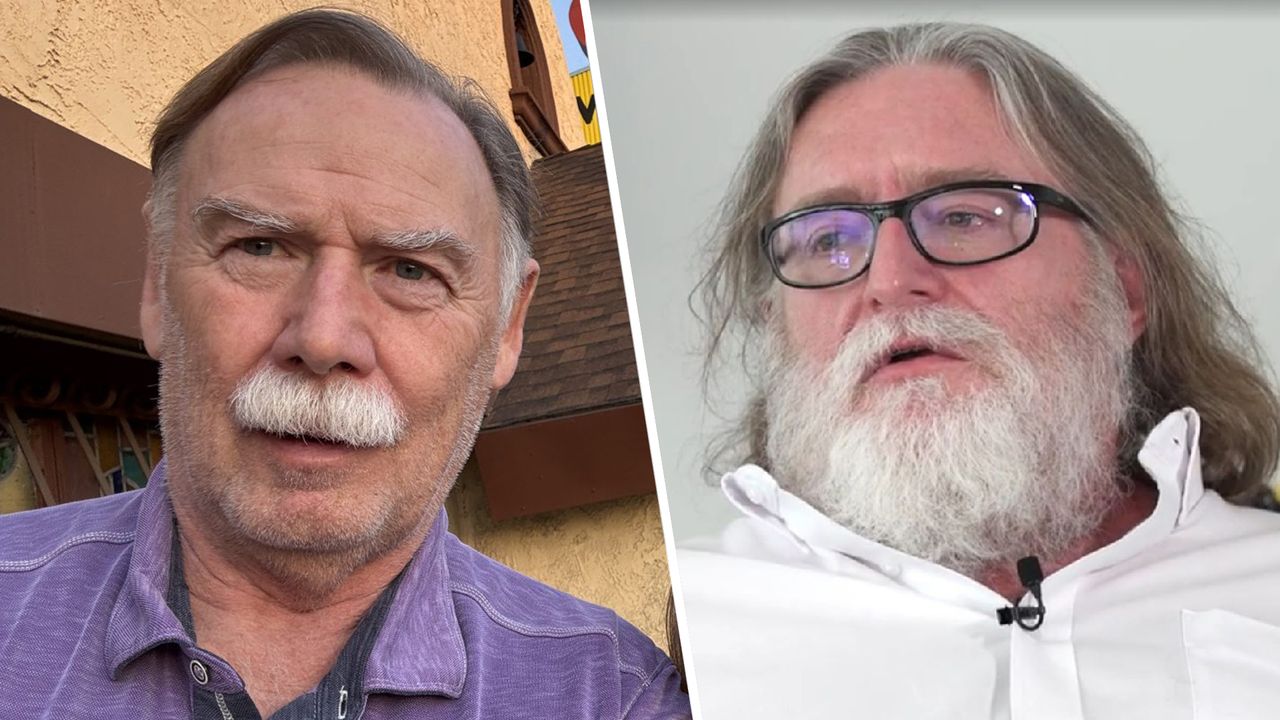
While Gabe Newell is the face of Valve, the legacy of Half-Life owes a massive debt to a different industry titan. Before Valve became a household name, they were an unknown studio with big ideas and zero leverage in a market dominated by established giants.
The man who saw their potential when others wouldn't was Ken Williams.
The Visionary Behind Sierra Online
Long before the era of digital distribution, publishers held absolute power over physical shelf space. Without a major partner, even the most revolutionary game was doomed to obscurity. Valve had the technology and the team, but they lacked the credibility required to secure a deal.
As Newell famously noted, transitioning from the respect of Microsoft to the dismissive attitude of game publishers was jarring. Many told them to "come back with credibility." However, Ken Williams—the co-founder of Sierra Online—saw something different in the Valve pitch.
Williams had already built an empire with his wife, Roberta, through legendary titles such as:
- King's Quest
- Space Quest
- Leisure Suit Larry
- Gabriel Knight
- Softporn Adventure
Why Ken Williams Bet on Half-Life
In the mid-1990s, Sierra was looking to expand into the burgeoning first-person shooter genre. While negotiating with industry leaders like id Software, Williams received an unexpected proposal from Valve.
What set Valve apart from other developers was their technical approach. Unlike most groups that consisted solely of artists and designers, Valve possessed a heavy engineering presence. Williams noted that they were the first developers he met who treated an existing engine as a starting point rather than a finishing point.
The meeting itself was legendary. Despite a massive snowstorm in Seattle, Williams was the only Sierra employee to make it into the office that day, eager to hear the pitch. Within 30 minutes, he famously interrupted the presentation to tell them why they should choose Sierra over any other publisher.
The Complex Legacy of the Sierra Deal
While Williams provided the initial spark, the partnership was far from simple:
- The Signing: It was actually Sierra businessman Scott Lynch who officially closed the deal after Williams departed the company.
- Technological Ambition: Lynch realized Valve wasn't just making a standard shooter; they were building a persistent world with deep storytelling.
- Development Friction: Midway through production, Valve famously decided to reboot Half-Life entirely—a massive undertaking that Sierra did not fund.
- The Outcome: While Half-Life eventually propelled Valve to global dominance, Sierra struggled with "launch and leave" marketing strategies and was eventually absorbed by Vivendi before closing in 2008.
Ultimately, without the early, aggressive support of Ken Williams, the world might never have experienced the revolution that is Half-Life. While Valve went on to change the industry forever, Williams remains a foundational figure whose intuition helped bridge the gap between niche innovation and mainstream success.