For over six decades, nuclear fusion has been a tantalizing promise — a clean, nearly inexhaustible energy source that could solve the climate crisis and power the future. Yet, despite billions in investment and decades of research, the technology remained elusive. Today, that landscape is rapidly shifting. Helion, a fusion startup backed by Sam Altman, has raised $465 million in a new funding round that values the company at $15.5 billion, signaling a major turning point in the race to bring commercial fusion energy to the world.
A New Era for Fusion Energy
Helion’s progress has been accelerating at a pace that outstrips many of its peers. The startup is currently building Orion, its first power plant, with the goal of connecting to the grid as early as 2028. This ambitious timeline is not just a technical challenge — it's a strategic one, particularly given its partnership with Microsoft. The tech giant is reportedly investing in Helion to secure a reliable energy source for its AI infrastructure, which is increasingly energy-intensive.
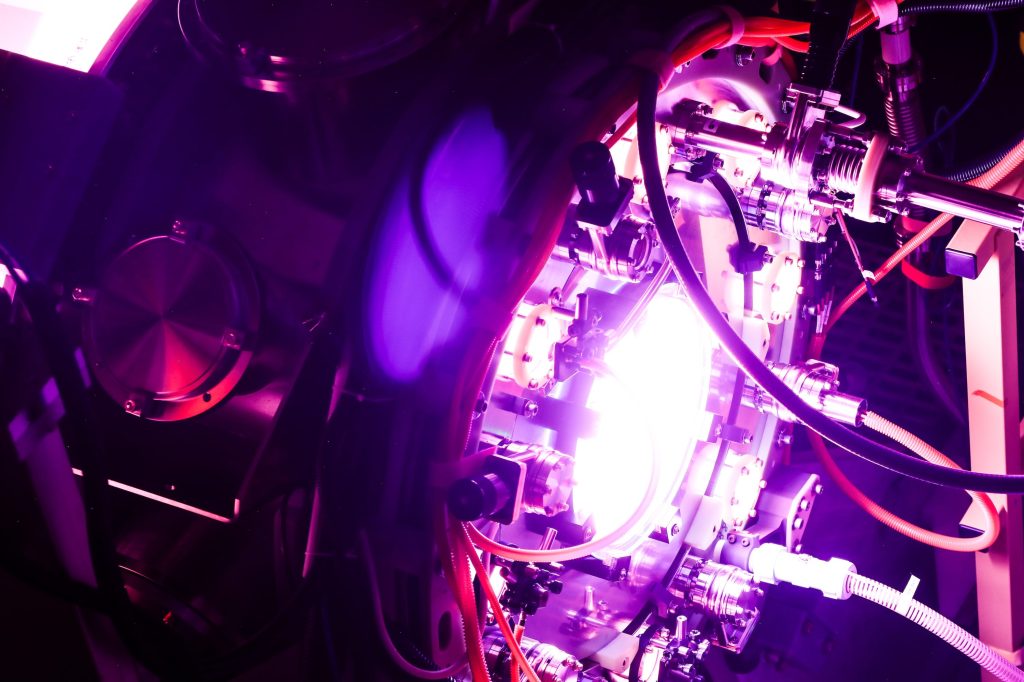
Unlike many other fusion startups, Helion’s design relies on magnetic compression rather than lasers or tokamak-style magnetic confinement. This method allows the company to generate electricity directly from the magnetic fields used to compress the fusion fuel, potentially reducing the complexity and cost of power generation. The approach, however, remains unproven at scale, and skepticism lingers among traditional fusion physicists who have not seen detailed academic validation of the theory.
The Investor Rush Behind the Hype
The fusion sector is now a hotbed of activity, with major funding rounds being announced at a near-monthly pace. Helion’s latest round was led by Thrive Capital, with participation from a mix of new and existing investors, including Bill Ford, the grandson of Ford Motor Company founder Henry Ford. The influx of capital reflects a broader trend: venture capitalists are increasingly willing to bet on long-term, high-impact technologies, even if commercialization is still years away.
- Helion has raised $1.5 billion in total, including this latest $465 million round.
- Microsoft is reportedly a major backer, aiming to leverage fusion energy for its AI needs.
- Bill Ford and other high-profile investors are betting on Helion’s ability to deliver on its promises.
- Series G funding was led by Thrive Capital, with multiple other firms joining in.
- Fusion energy’s potential to disrupt the global energy market is a major driver of investor interest.
The stakes are high. If Helion succeeds, it could redefine energy markets and provide a scalable solution for the world’s most pressing climate challenges. But with such a bold timeline, the pressure is mounting — and the world is watching closely.
The Road Ahead for Fusion
As Helion moves forward with its ambitious plan, the fusion industry is at a critical inflection point. The technology, once the domain of government labs and academic institutions, is now being driven by startups with the financial backing of some of the most influential figures in tech and venture capital.
If Helion can deliver on its 2028 timeline, it may not just be a breakthrough for the energy sector — it could be the first commercial fusion power plant in human history. The implications for AI, data centers, and global energy production are profound. For now, the question is whether the science can keep up with the speed of the investment. The fusion race is on, and Helion is leading the charge.